X


It took enormous courage to prevail in Italy in May 1944.
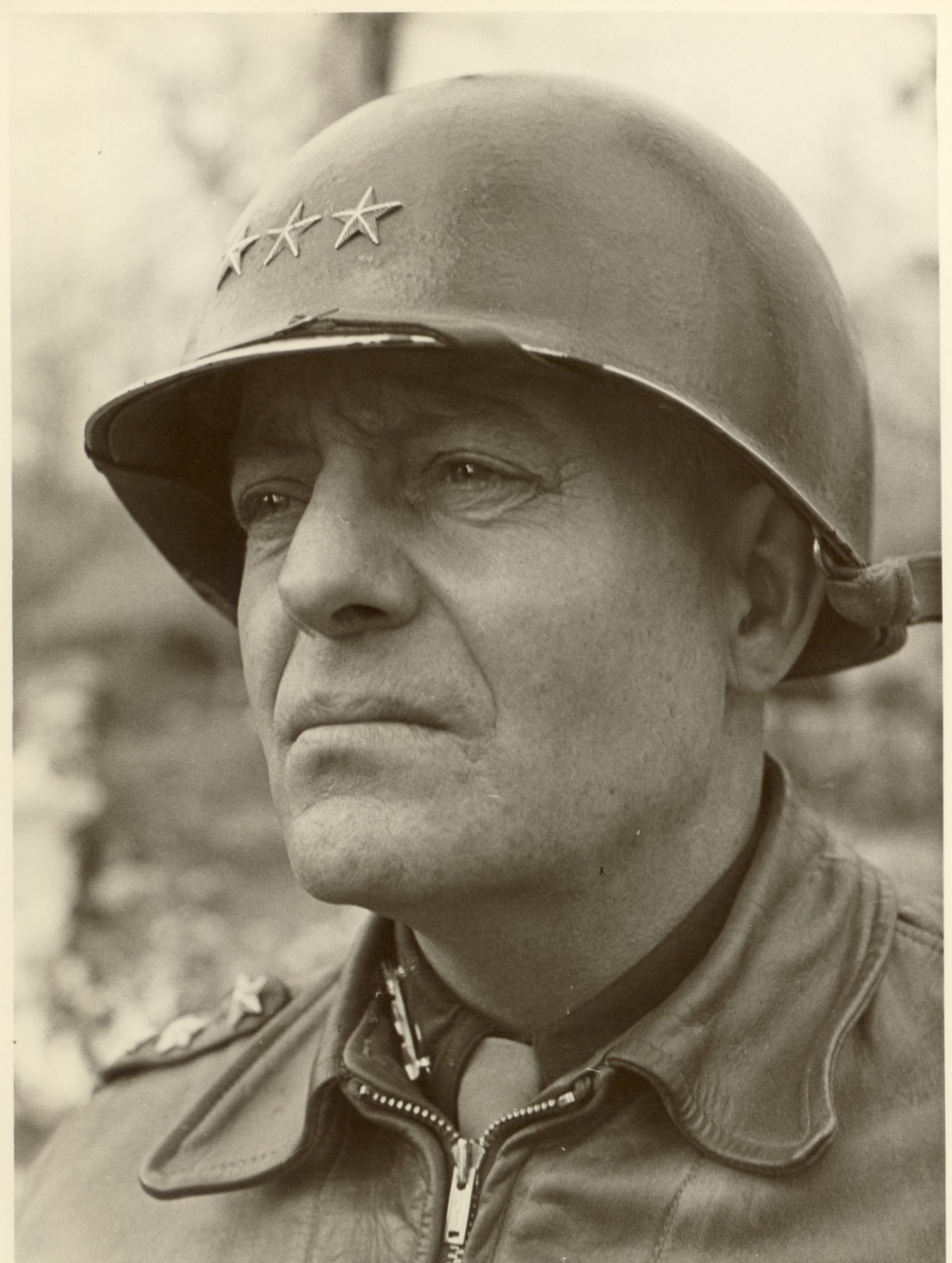
It was an hour before sunrise. General Lucien Truscott stood in an artillery post, clad in his usual leather jacket, a silk scarf at his throat. He was near the jump-off point for the 3rd Division, which fought longer in Europe and earned more Medals of Honor than any other US division in WWII. It was 23 May 1944.
After three months of bloody attrition, Truscott’s Marne men, as his “dogface” soldiers were known, were poised to break out from the plain of Anzio. “Light rain had fallen during the night, but occasional stars gave promise of a clear day,” recalled Truscott. “There was no sight or sound to indicate that more than 150,000 men were tensely alert and waiting. For better or worse, the die was cast as the minute hands of watches moved slowly toward zero hour.”
At 5:45 am, the skies were torn asunder by the greatest Allied artillery barrage of the war to date, so powerful that, as one of Truscott’s men recalled, “nothing could be left of the German lines.” It was as if the heavens were screaming as a vast iron shutter was slammed down.
“Hitler, count your children!” shouted one soldier.
Marne men crawled from foxholes. Truscott watched as “a wall of fire appeared as our first salvos crashed into the enemy front lines, then tracers wove eerie patterns in streaks of light as hundreds of machine guns of every caliber poured a hail of steel into the enemy positions.”
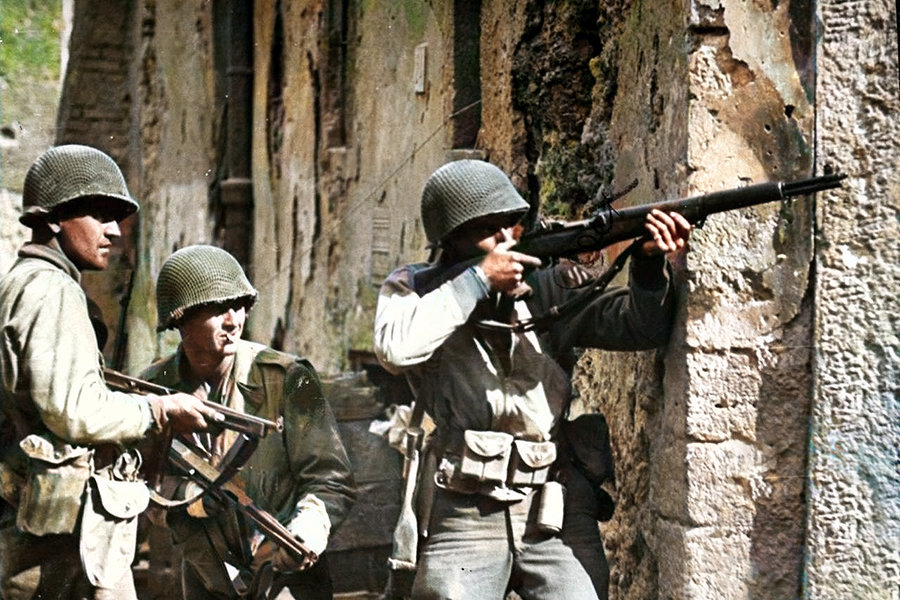
Dawn broke. It was hard to make out the Germans’ strongpoints, so thick was the smoke and dust from the explosions. Truscott’s men set off across fields dotted with violets and buttercups. Surely the artillery barrage had stunned the Germans? It was too much to hope for. German machine guns opened up. The Marne men would now have to run into a hail of bullets.
Courage counts. At key points in major WWII battles, it mattered a great deal. On that sunny day in May 1944, it changed history. Breaking through the German lines depended on individuals, warriors who could lead others, young men willing to die to get the job done.
The Marne men had a tough start. One company was soon ripped apart, losing two-thirds of its strength. The Germans were well dug in, and their positions were heavily camouflaged. After just ninety minutes, Truscott’s soldiers had advanced only five hundred yards. Men were dying at a rate of one every four minutes.
By nightfall, the Marne men had advanced a mile, but at a terrible cost. 995 of Truscott’s boys, their shoulder patches showing blue and white stripes, had been lost. The 3rd Division had suffered the highest casualties of any US Army division in a single day in World War II. There were more wounded than medics to treat them, and many bled to death amid trampled cornstalks.
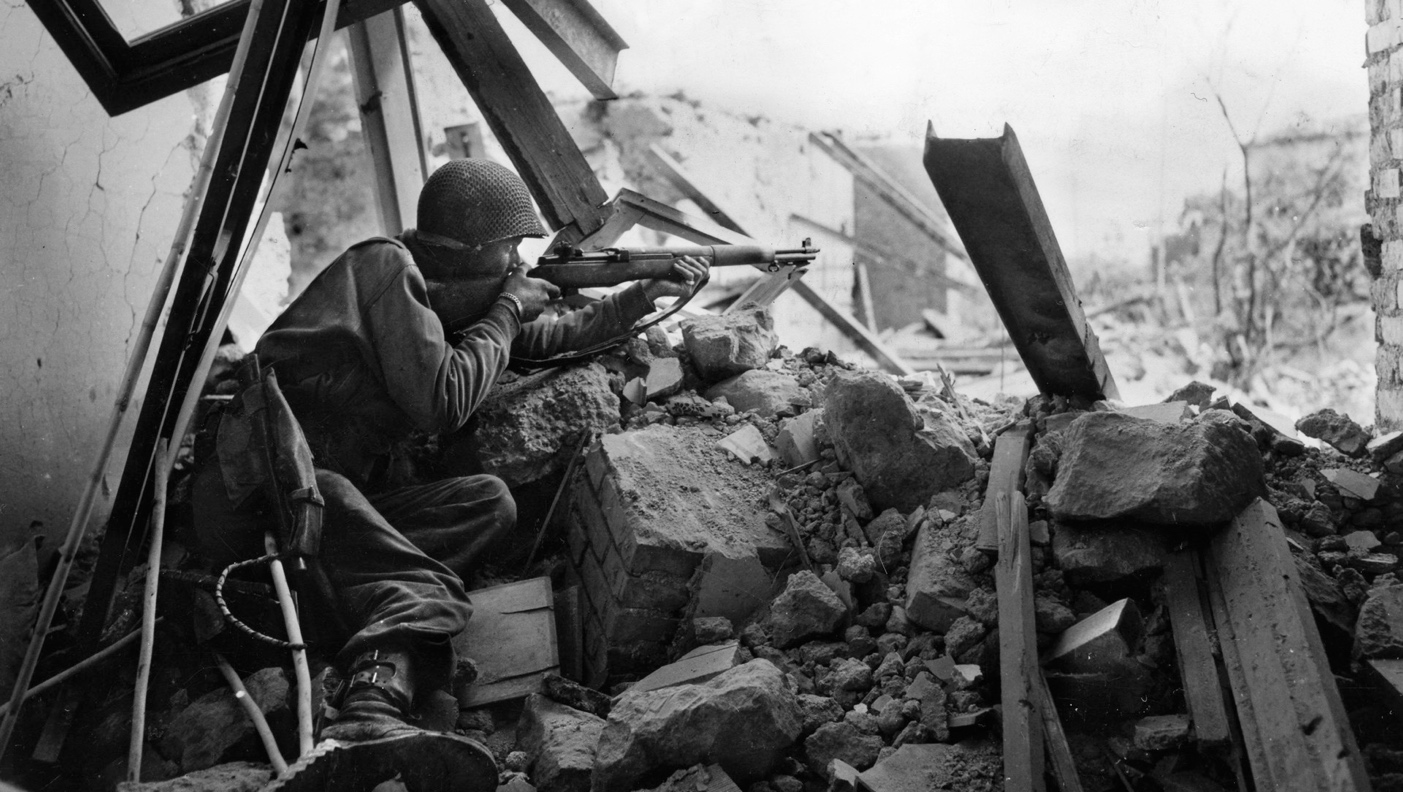
There was no town in Italy more heavily shelled than Cisterna, the Marne men’s objective, which had to be seized if the Allies were to break out from the Anzio battlefield and take Rome. On 24 May, some of Truscott’s toughest troops reached the outskirts but were then thrown back. They tried again.
One soldier, a Pole from Ohio, twenty-five-year-old Sylvester Antolak, rushed forward, a man truly possessed, demonic, sprinting two hundred yards. Sergeant Antolak pumped bullets into a machine-gun nest. The Germans tried to drop him with intense small-arms fire, and he was hit twice and knocked to the coverless ground, but then he got up, as if immortal, and charged them again. A German machine gun rattled from the right.
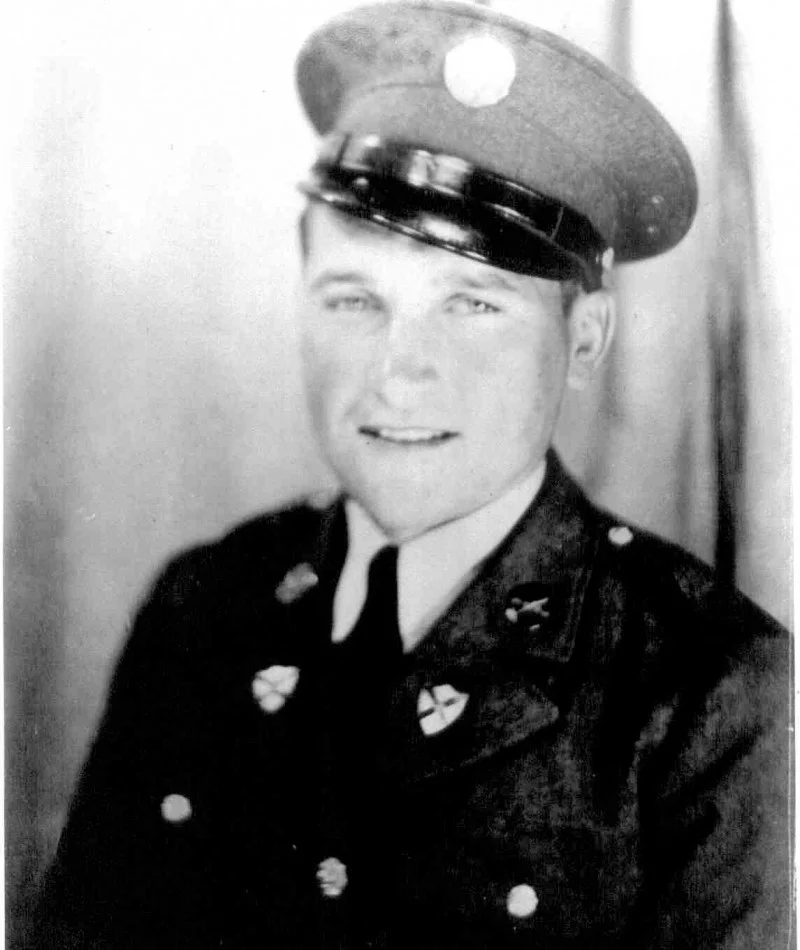
Antolak was hit for the third time and went down. A corporal reached Antolak. “We urged Sergeant Antolak to take cover,” recalled the corporal, “while we arranged to get him medical aid. He looked too weak from his wounds and blood loss to keep going.”
Somehow, Antolak got to his feet. His right arm was a mangled mess, and a deep wound in his shoulder bled into his upper body. Yet he staggered on, his carbine under his one good arm. Fifteen yards from the enemy, he pulled the trigger and killed two more Germans. Ten others decided to give up.
“Kamerad!” they yelled. It was wrong to execute men with their arms raised, even if you did it on your last breath. Antolak spared them. Cisterna still had to be taken, even if it was a field of rubble. Germans still lurked under the ruins, in basements and dugouts. Antolak set out for another strongpoint about a hundred yards away. Incredibly, he almost reached it before he dropped to the ground, shot dead.
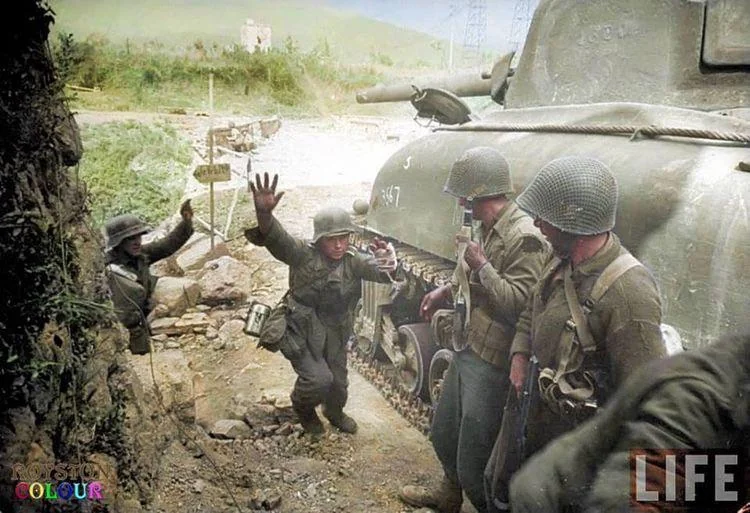
Antolak was the third soldier from the 3rd Division’s 15th Infantry Regiment to earn the Medal of Honor during the battle for Cisterna. In forty-eight hours, the regiment earned more Medals of Honor than the entire 101st Airborne Division, the legendary Screaming Eagles, would earn in World War II.
Thanks to the courage of men like Anatolak, the Germans began to weaken. By noon on May 25, with support from tanks and intense artillery fire, Truscott’s men seized Cisterna.
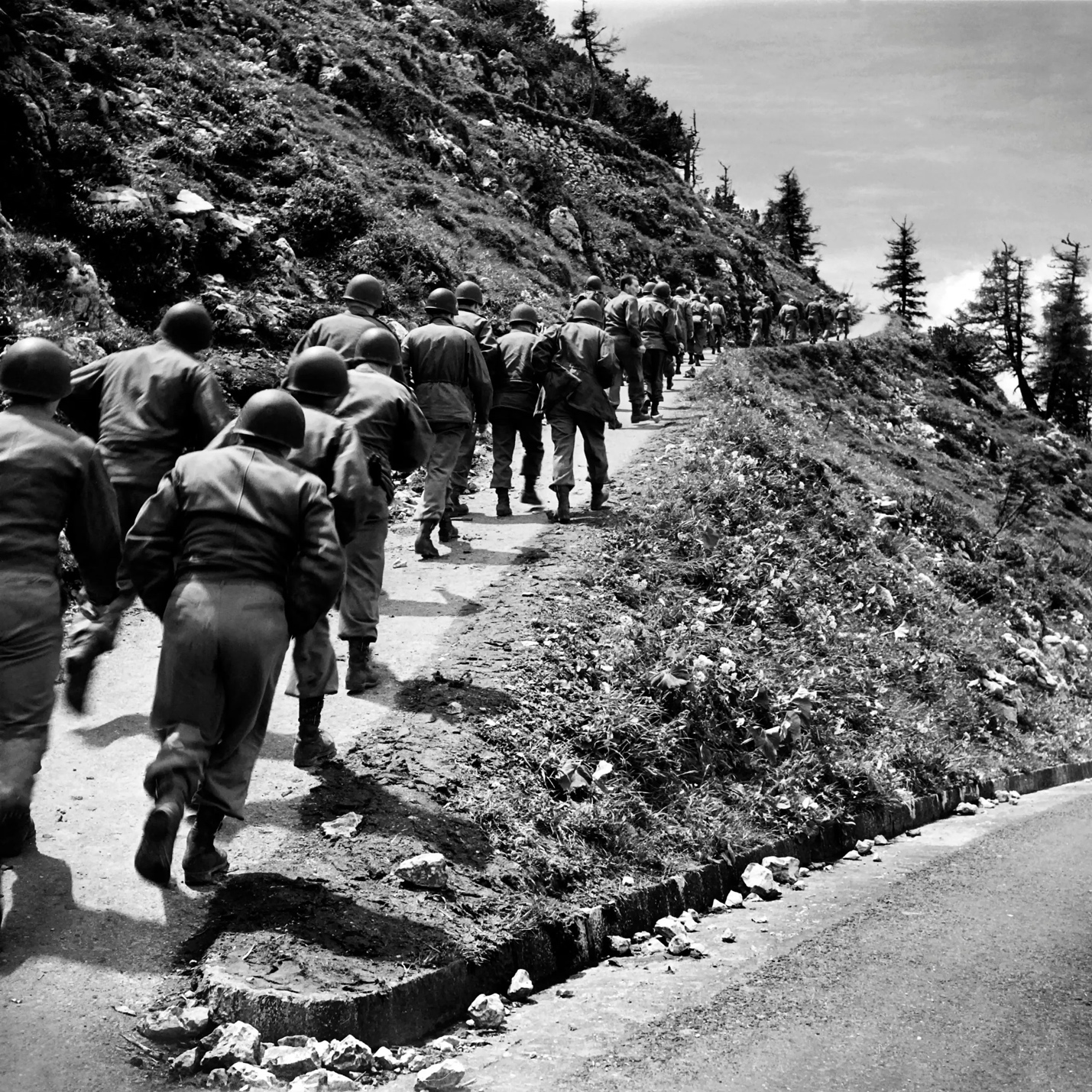
I’ve been to Cisterna, miraculously rebuilt from utter ruin. I’ve followed the route of the Marne men from the shores of Sicily, up the jagged spine of Italy, along the banks of the Rhone, across the Rhine, and into the thin air of the Bavarian Alps, to Hitler’s home near Berchtesgaden. On 23 May, I’ll pause for a few moments to remember the Marne men I’ve known and to give thanks that the Europe I love was set free by warriors like Sylvester Antolak.


