X


Just one Ranger from a thousand who served on D-Day is still alive.
A few weeks ago, on a tour with Friends of Normandy, I passed a section of the deadliest beach on D-Day. It made me think of a truly remarkable American leader. On this anniversary of arguably the greatest amphibious invasion in history, I’m therefore paying tribute to Major General John Raaen, who turned 104 on 22 April – the last living Ranger and officer who fought on Omaha Beach.
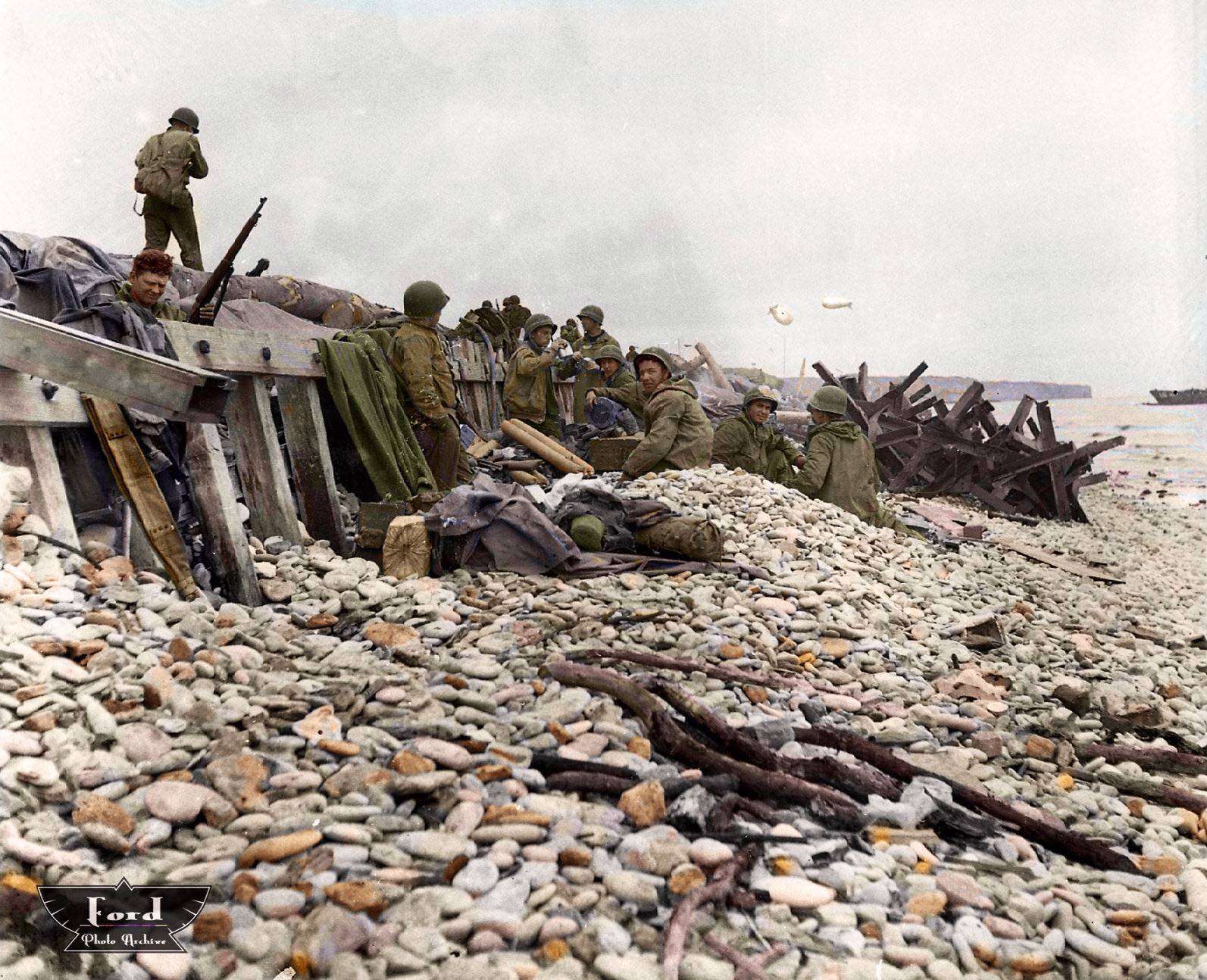
If we assume that about 4-5 percent of the 34,000 men who landed on Omaha Beach on 6 June 1944 were officers, then Raaen is the last of perhaps 1,500 officers who saw action. He’s a remarkable outlier, the sole survivor from a phalanx of warriors who endured the greatest violence on any of the five beaches on that longest of days. And for Raaen, as with so many, it was his first day of combat – a hell of a baptism of fire.
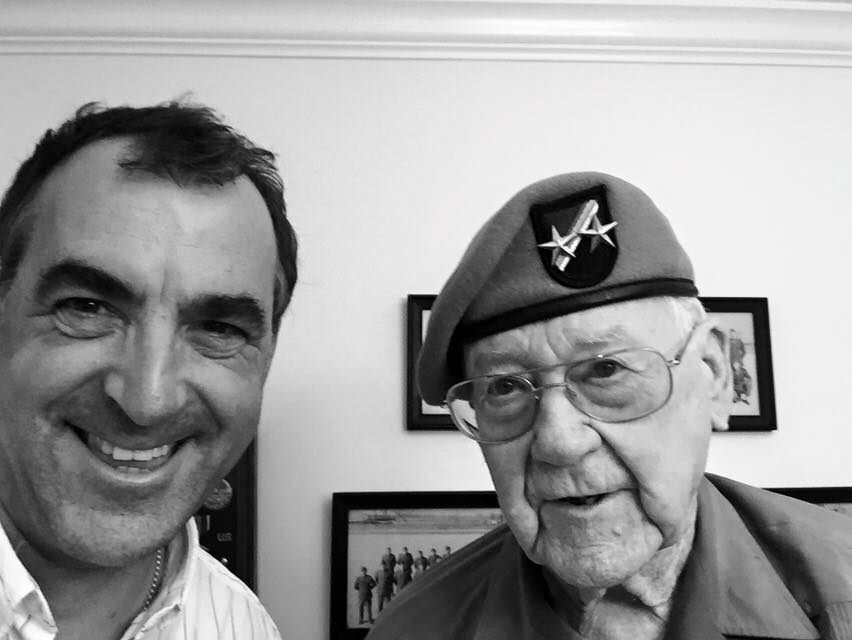
While researching my last book on D-Day, The First Wave, I visited Raaen in Winter Park, Florida. He was gracious and in good spirits, his living room adorned with photographs of his long, highly decorated military career. In addition to two bronze stars, he received the Silver Star and the Congressional Gold Medal, served in three campaigns in Europe and in both Korea and Vietnam, and logged 36 years of service to the United States.
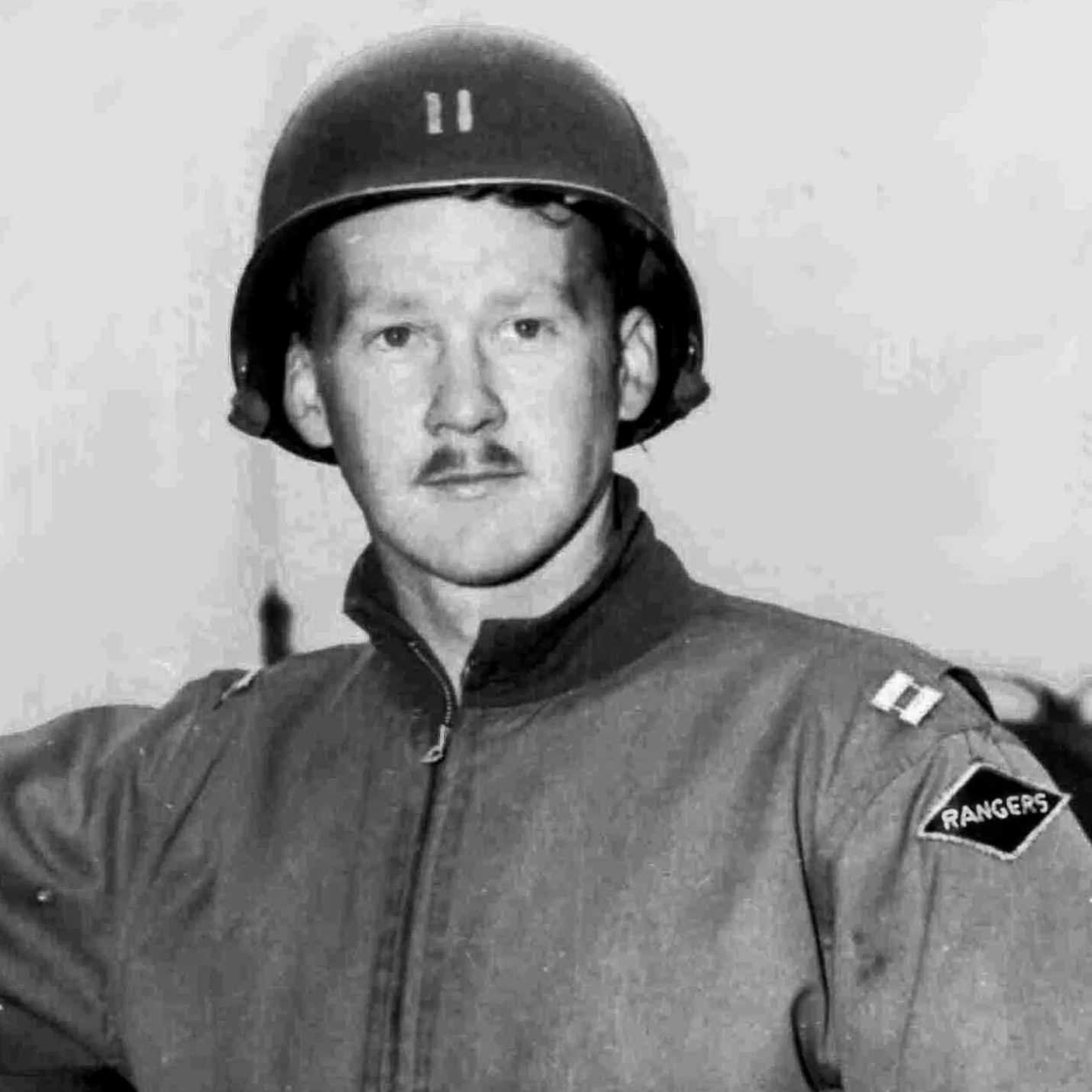
Raaen grew up in a military family and was appointed to West Point at 17. After graduating, he joined the newly formed 5th Ranger Battalion. At age 22, he was the captain of a headquarters company, slated to land on “Dog Green,” one of eight sectors of Omaha Beach. It was his immense good fortune that he came ashore far from his assigned location. Had he landed at the right place at the right time, he would very likely have been killed.
As Raaen’s battalion closed in on the beach, it was suddenly ordered to change direction. Raaen told me that the 5th Rangers had “tried to land where the 116th Infantry Regiment was taking a beating — a massacre, basically.” By some estimates, the 116th Infantry suffered 95 percent casualties on this stretch of the beach below the D-1 draw, one of five paved exits from Omaha Beach. Here, 19 Bedford Boys from A Company were killed.
Raaen was fortunate indeed. “Lt. Col. Schneider, our battalion commander, was in the second wave,” he told me. “He saw what was happening and said ‘I’m not going to lose my battalion on that beach,’ so he cajoled the British flotilla commander to move us farther to the left. We moved approximately a thousand yards.”
Those yards saved his and many other lives. “We landed at 7:50 a.m. where there were breakwaters and we had plenty of cover.” Even so, Raaen came under a “tremendous amount” of small arms fire from the nearby bluffs and several German strongpoints. There was “constant noise,” a ceaseless “roar.” Bullets cracked in the air, “pop, pop, pop, pop, pop, pop, pop, above you. The machine gun fire was absolutely continuous.”
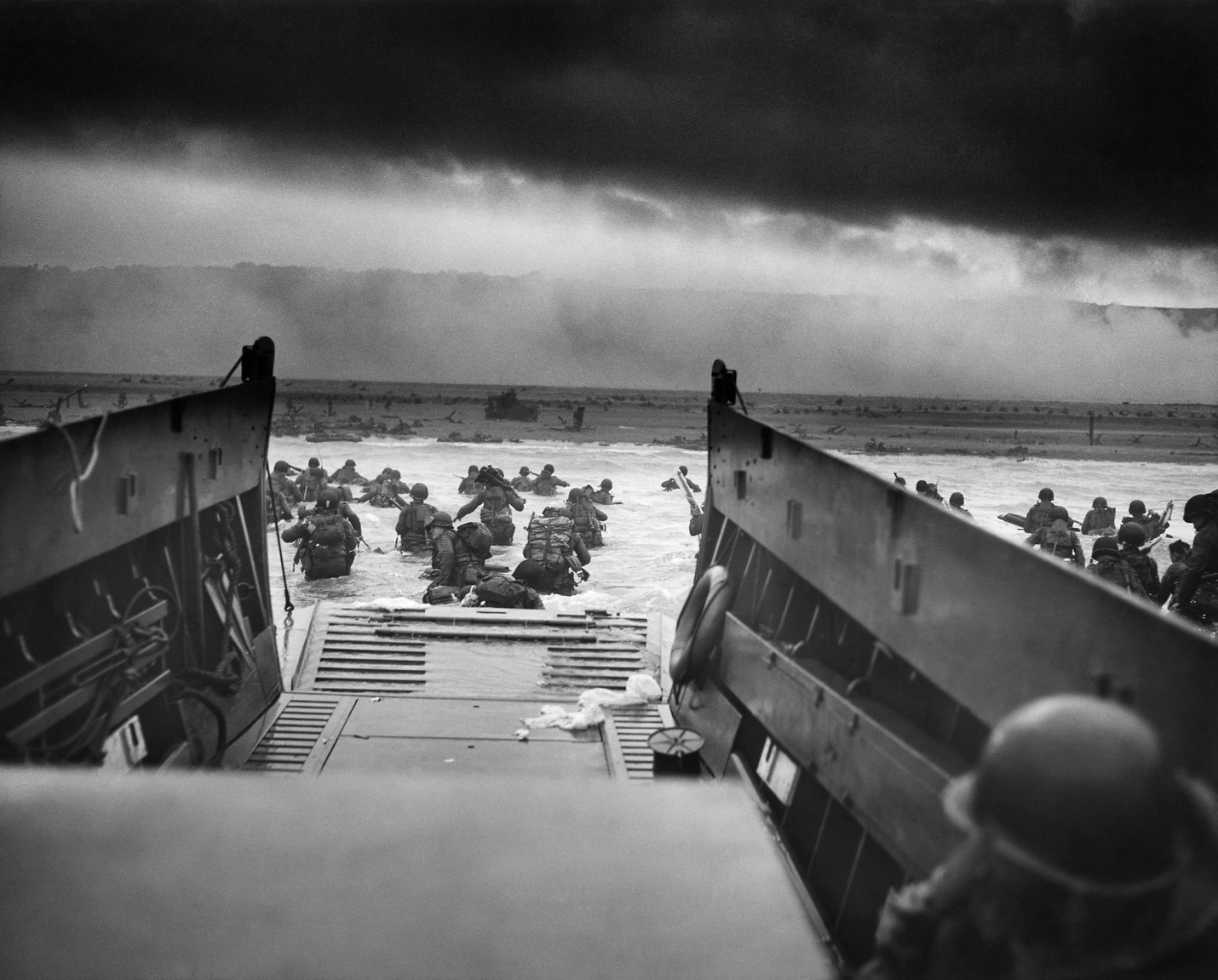
When I met Raaen in 2018, he told me he could still hear the sound of bullets snapping over his head, the wall of noise that greeted him as he waded ashore. He crossed Omaha Beach, climbed the steep bluffs, reached Vierville sur Mer around noon, and set up the 5th Rangers’ first command post in Normandy. His first, critical mission was to organize the relief of fellow Rangers, surrounded and fighting for their lives five miles away at Pointe du Hoc, having scaled vertiginous cliffs under fire. These men from the 2nd Ranger Battalion had carried out one of the now-legendary feats of D-Day, described by Omar Bradley as the “most dangerous mission.”
It was not until 8 June that Raaen succeeded in saving those who could still stand and fight at Pointe du Hoc. Of the 225 men who had landed there on D-Day, 77 were killed, and 152 were wounded. Fewer than 75 Rangers were fit for duty when Raaen’s relief force arrived.
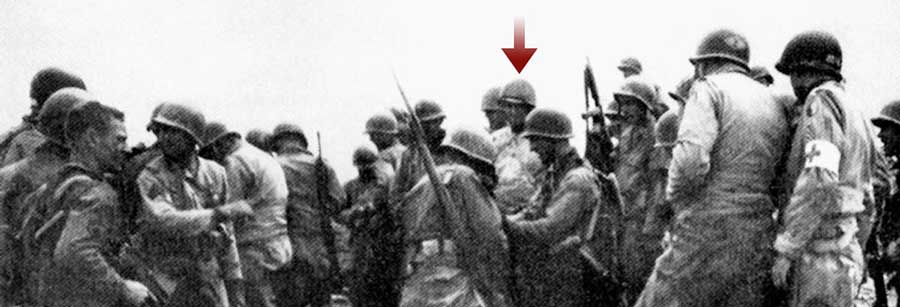
On June 20, Raaen received the Silver Star for his leadership on D-Day and then joined the push into Brittany. On Dec. 22, 1944, as the Battle of the Bulge raged, he was thrown from his jeep, sustaining a broken leg and hip.
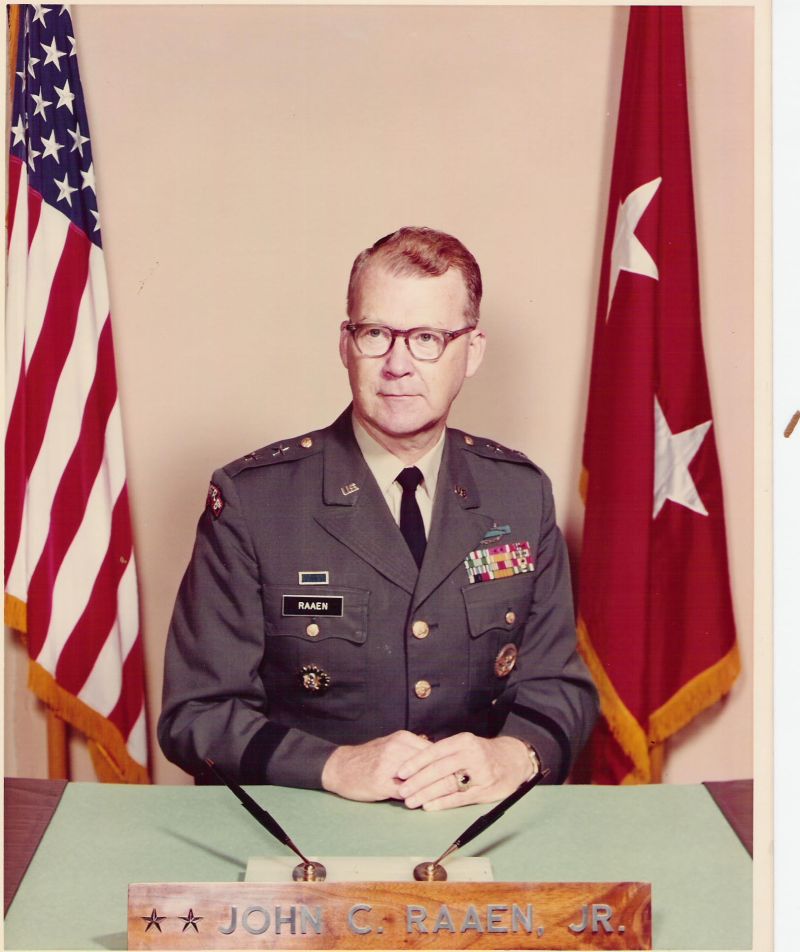
Raaen told me he was back at his alma mater, West Point, which his father had also attended, when Japan finally surrendered. He remained at West Point as an ordnance instructor until 1947, then specialized in testing munitions for the Ordnance Corps. His long career took him around the world, including to Berlin at the height of the Cold War, and he earned four Legions of Merit for service in Vietnam. He retired in 1979 as a two-star general.
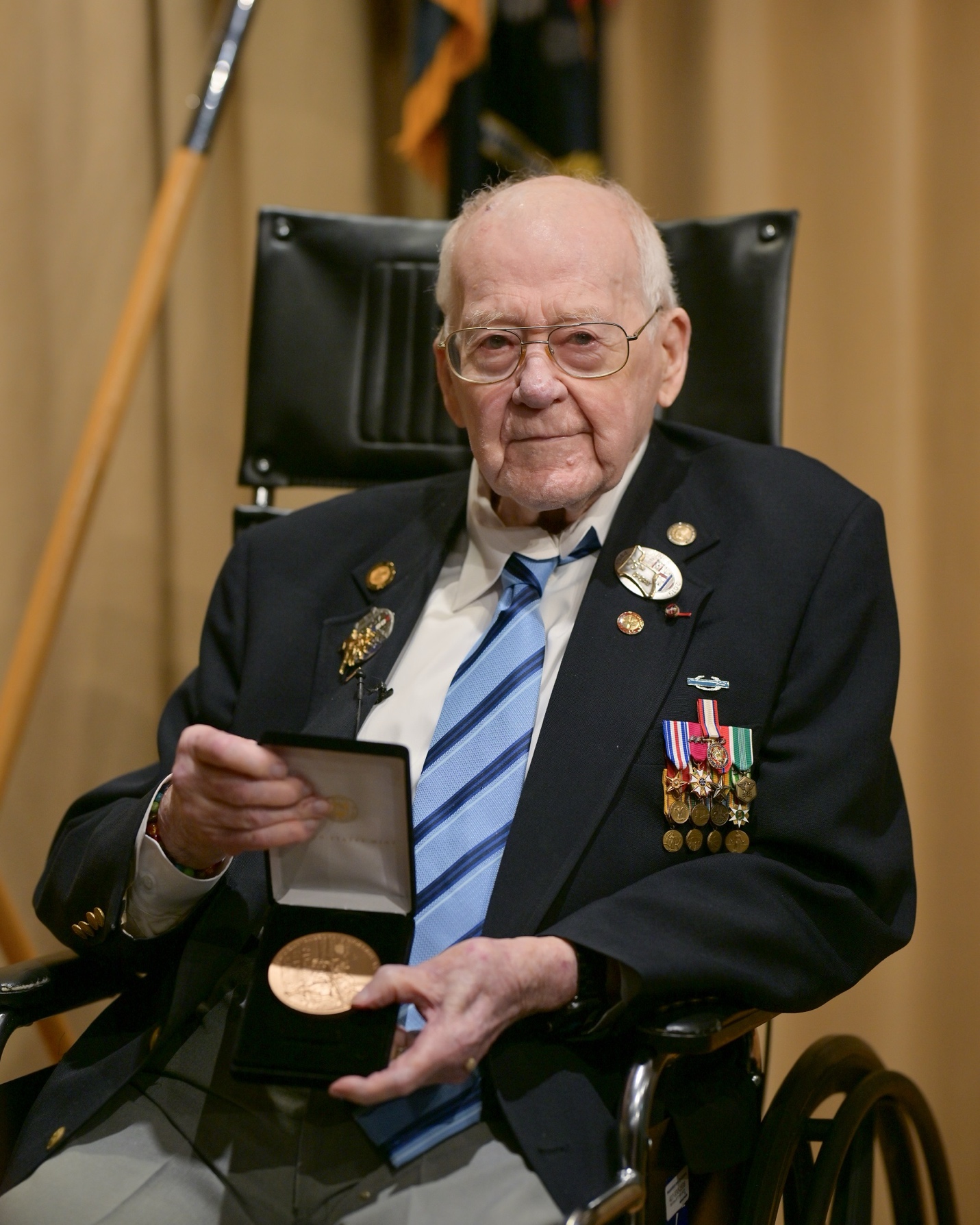
Raaen told me he was extraordinarily lucky to survive D-Day and that he has been blessed to live such a long, full life. He also said that D-Day was not the most memorable episode of his extraordinary life; the day he married was. But leading young Americans across the bloody sands of Omaha came very close.


