X


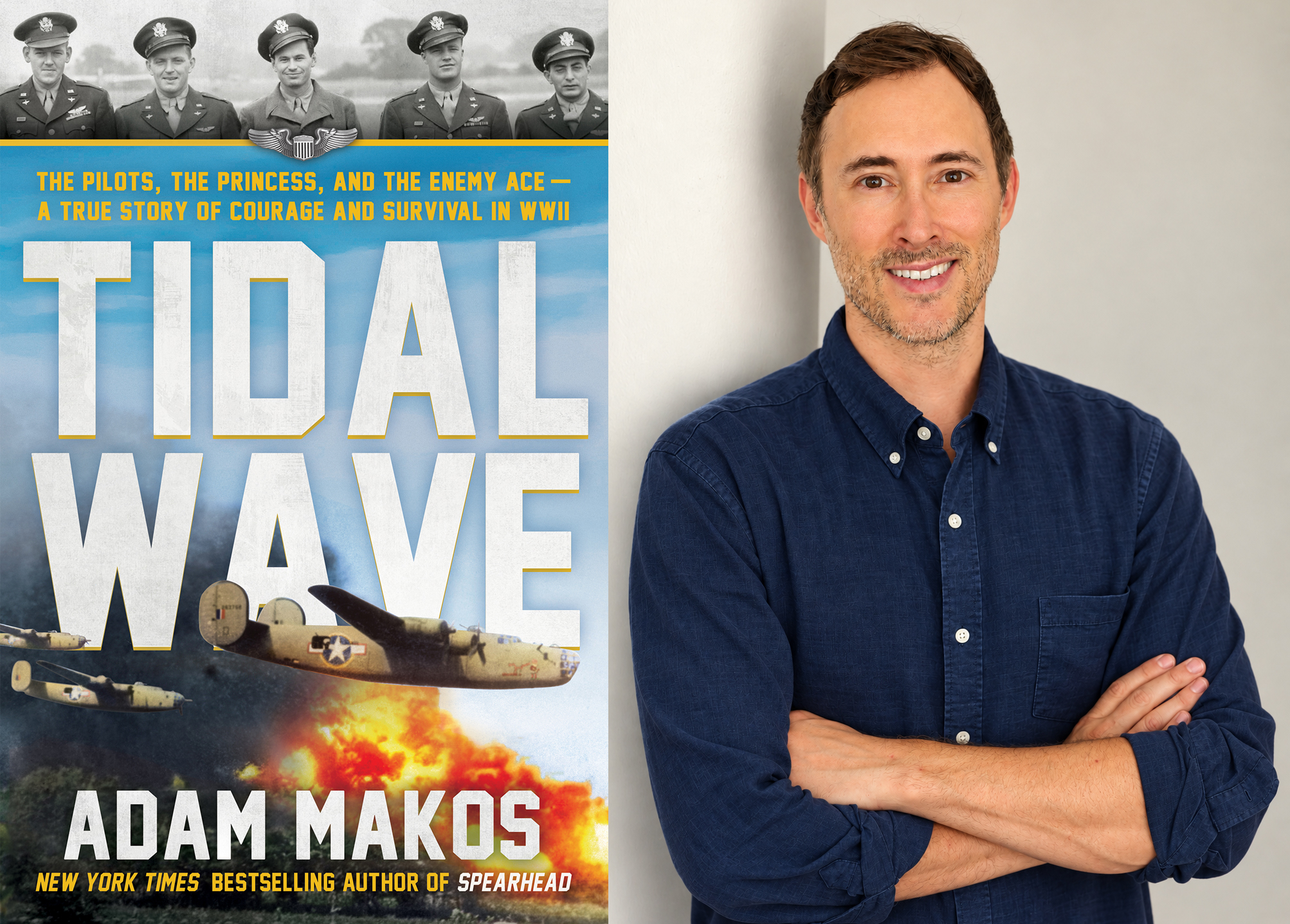
Adam Makos' new book, Tidal Wave, reads like a Hollywood epic: When an American B-24 bomber crew is shot down in Nazi-controlled Romania during the most daring bombing mission of World War II, the legendary low-level raid on "Hitler's Gas Station" at Ploesti, their survival would come to depend on the last people they ever expected: the very enemy they had been sent to bomb.
In this essay, Makos recounts how he uncovered this extraordinary story, and its unexpected connection to a familiar figure for every supporter of the National World War II Memorial: Mr. Frederick W. Smith. Smith, who spearheaded the campaign to fund the Memorial alongside Senator Bob Dole, played a pivotal role in steering Makos toward a story he believed simply had to be told.
Some stories find you when you least expect them.
It was a Monday evening in July 2018 when I was waiting nervously in the lobby of a hotel in Memphis. Businesspeople clustered around tables, laughing over drinks, while others rolled their suitcases toward the front desk. Most wore some variation of the same logo, a flash of purple, orange, and white. FedEx. The company’s airport hub lay only a few miles away.
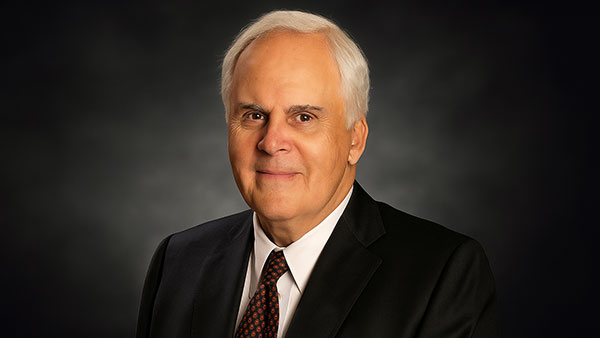
I was at the hotel to meet someone they all surely knew, their boss, Mr. Fred Smith.
The name sounds ordinary. The man was anything but. He was the founder of FedEx, one of America’s great business successes, and a tremendous champion of our nation’s veterans.
When he entered the hotel, I was surprised. No entourage. No bodyguards. Just Mr. Smith. He was of medium height, with a round, robust face framed by white hair. Strapped to his wrist was a simple Casio. His clothes were neat but unpretentious: business attire with an open collar and plain black shoes. He radiated Southern friendliness and greeted me with a handshake that felt like a big warm paw.
I had seen the endless purple tails of his planes as I flew into Tennessee that afternoon, and I was already a bit awed. Not only was he overseeing more than 425,000 employees as CEO, but he carried another level of distinction.
Before he built his company, Mr. Smith had been a Marine officer in Vietnam. He’d commanded K-Company, 3rd Battalion, 5th Marines, the storied unit that fought its way across the Pacific in World War II.
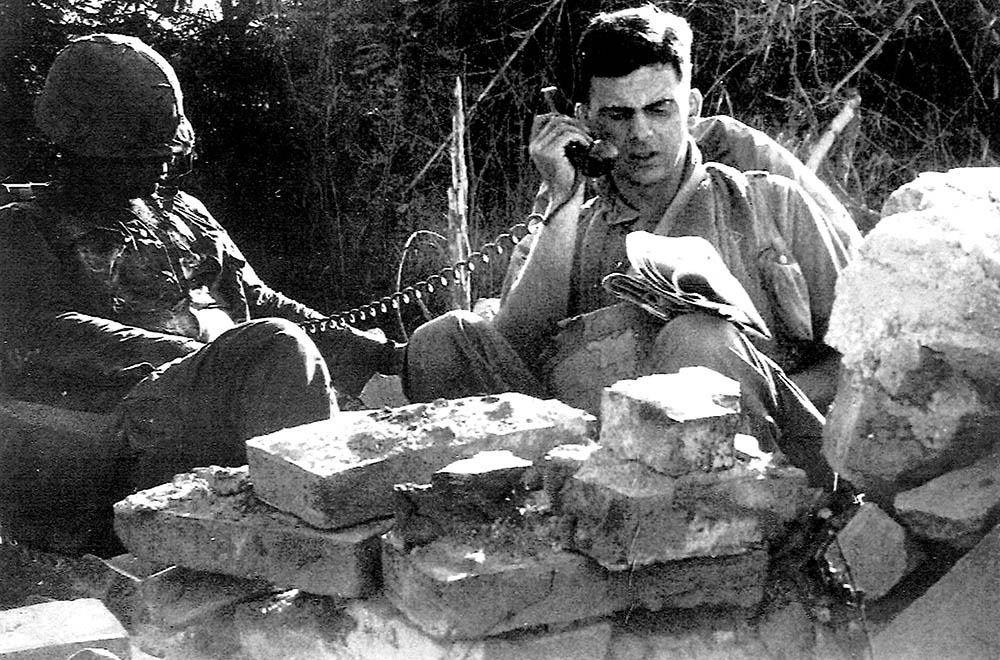
Mr. Smith had earned the Silver Star, the Bronze Star, and two Purple Hearts. When he came home from Vietnam, he rolled up his sleeves and put the lessons of military leadership to work. Vision, discipline, logistics. Out of them, he built FedEx.
That war, and the hard-felt losses he carried from it, left him with a lifelong reverence for service and sacrifice. He’d even chaired the fundraising for the World War II Memorial in Washington and the National Museum of the Marine Corps.
At the time I met him, he was helping bring my book Devotion to the big screen. The next morning, we were bound for Hattiesburg, Mississippi, to meet the daughter of Jesse Brown, a hero from that story and the upcoming film.
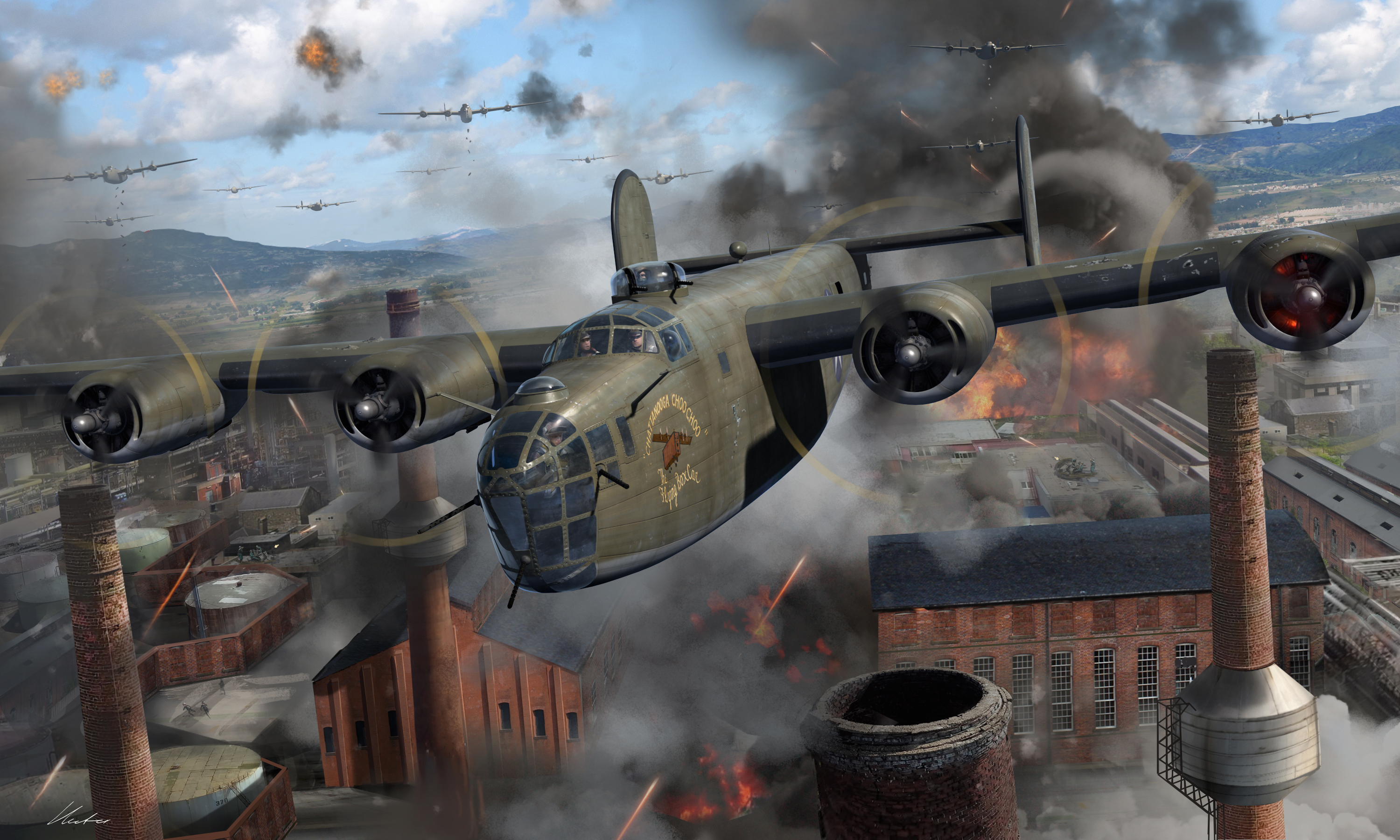
But that night at dinner, there was another story on Mr. Smith’s mind: Operation Tidal Wave. Arguably the most daring bomber raid of World War II, it was born of an audacious gamble, when the Army Air Forces gathered every available B-24 bomber in the Libyan desert for a nearly unthinkable mission: a low-level surprise attack on Hitler’s most vital asset, the oil refineries of Ploesti, Romania.
Mr. Smith had a personal connection to the raid. His early legal counsel, a man named Ramsay Potts, had flown that mission and earned the Distinguished Service Cross.
I acknowledged that I knew the story. Any aviation buff does. B-24s flying low and fast like fighters, skimming the treetops, through fire and flak, over refineries ready to explode beneath them. It’s a mission etched in legend, written about many times.
But not this part, Mr. Smith said. He’d zeroed in on a remarkable thread: one American bomber that was shot down during the attack, and crash-landed in the last place its crew ever imagined, on the estate of a Romanian princess named Ecaterina Caradja. By nationality, she was their enemy. The Americans had just bombed her homeland. Yet what she did next defied every expectation.
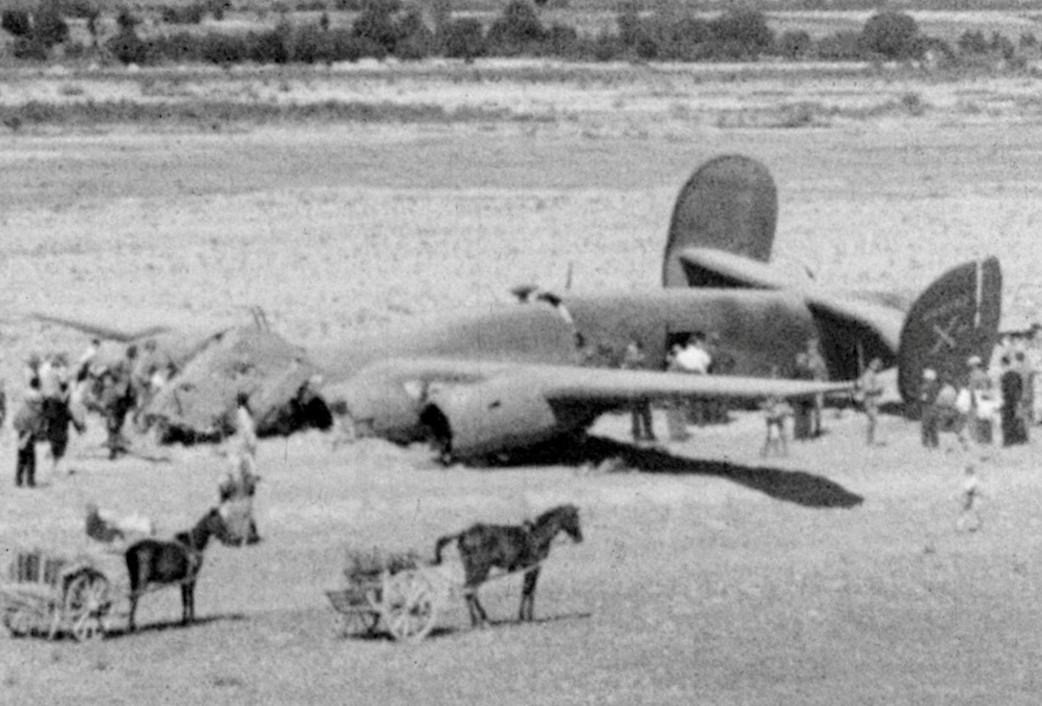
Mr. Smith said the princess was an integral part of the story, and around that moment lay an even larger story still waiting to be told, one of intense action and adventure set in a little-known arena of World War II, where Germans, Romanians, Americans, Britons, and Russians all converged to slug it out in one place.
He urged me to investigate.
I took his advice and began to dig deeper. The story began to show itself. Not only was there a princess walking a perilous line between loyalty to her country and quiet defiance, there was Lieutenant Constantin Cantacuzino, Romania’s top fighter ace flying a Messerschmitt 109, reluctantly, for the other side. A twenty-one-year-old king, Michael I of Romania, desperate to pull his nation from Hitler’s grip. A Nazi-backed dictator, General Ion Antonescu, working against him. And a Great Escape of American fliers, unfolding right under the noses of the Germans. Mr. Smith was right. There was more to this tale. How had we never heard it before? Blame the communists. At the end of World War II, Romania, and the stories of what had happened there, were sealed behind the Iron Curtain.
Yet even during the war, Romania was a mystery to most Americans.
“Romania, are they even in the war?” more than one American flier wondered when he first learned of their faraway target. Even all these years later, Romania remained, to me, little more than a name on the map of Europe, wedged between the Balkans and the Black Sea. I pictured dark-haired, sharp-featured people, somehow mixed up with the Romani. Their Latin-based language, I would learn, sounded suspiciously like Italian. And apparently, at one point, this small country was swimming in oil, black gold that had drawn the attention of Hitler himself.
There was a more immediate obstacle. After seventy-five years, was anyone still alive to tell this story firsthand? Out of 178 crews, more than 1,700 men, who’d flown the Ploesti raid, I needed to locate the men of the one plane that went down on the princess’s estate: Chattanooga Choo Choo. Ten men total. Ploesti had happened a lifetime ago. Any man who had flown that mission would now be nearing one hundred years old.
My brother Bryan, who leads our research team, started digging anyway. We were looking for a needle in a haystack. Then came a lead: a single name in an online news article. A man was still alive from Tidal Wave.
Ernie Poulson.
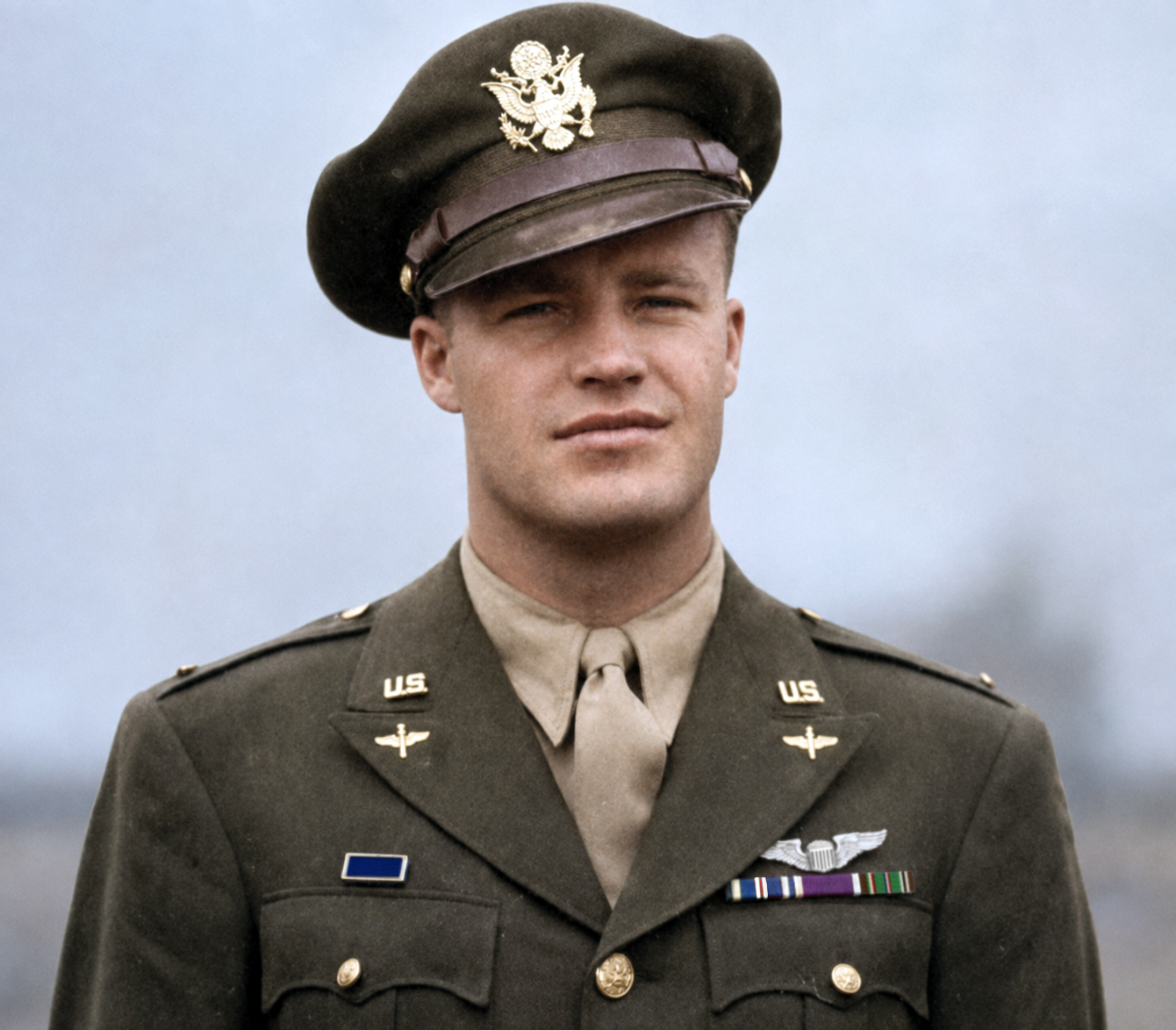
He was an officer. And what the article said about him made my jaw fall. He’d been the co-pilot of Chattanooga Choo Choo, the bomber that crash-landed on the princess’s estate in 1943 . . . the very crew at the heart of Mr. Smith’s story.
We sent him a letter. A shot in the dark. Then a follow-up call.
At his home in Utah, Ernie Poulson answered.
He was ninety-seven. Remarkably fit. Sharp-minded, direct, precise. Former Air Force colonel. Ex-POW. In a recent photograph, he was still handsome, like an actor cast to play a veteran in a film. He was, it turned out, the last living survivor of his crew, and likely of the raid itself. Locked inside his memory lay the eyewitness experience of one of the great untold stories of World War II.
We explained what we hoped to do. We wanted to write an immersive, richly-detailed book about him and his crew and the paradoxical enemy, the Romanians whose lives became entangled with theirs.
Ernie confirmed the story was all true. He still thought about those people and places every night before bed, every morning when he woke.
But he hesitated. He had lived through this incredible adventure once, and that was enough for him.
Then something caught his ear.
“This book won’t be just about you,” we told him. “It’ll be about all the guys.”
Ernie’s demeanor softened. He knew what was at stake. The story of 1,700 brave Americans was about to fade away, its best part untold. It was about bringing the Ploesti raid to life for those who never knew what those young Americans endured. The Air Force colonel and former POW felt he had a duty as possibly the last survivor.
“My door is open,” he said. “Come on out.”
* * *
At his home, Ernie showed us a copy of the diary he’d secretly kept as a POW. He handed over a memoir he’d written for his family decades earlier.
Using those sources, we sat down with Ernie, interviewing him multiple times in person, then countless times by phone. He connected us with the families of his crewmates, who opened their collections of letters and old interviews. Ernie’s navigator had even written and self-published a book of his own.
And then there was “The Crew Diary.” Hidden for decades in an attic, it was pure storytelling gold, a bound set of pages written by Ernie and his men during the war. In the fall of 1944 and early 1945, each of the nine surviving airmen had sat down with pen and paper to record what they’d seen, said, and done. It was unheard of.
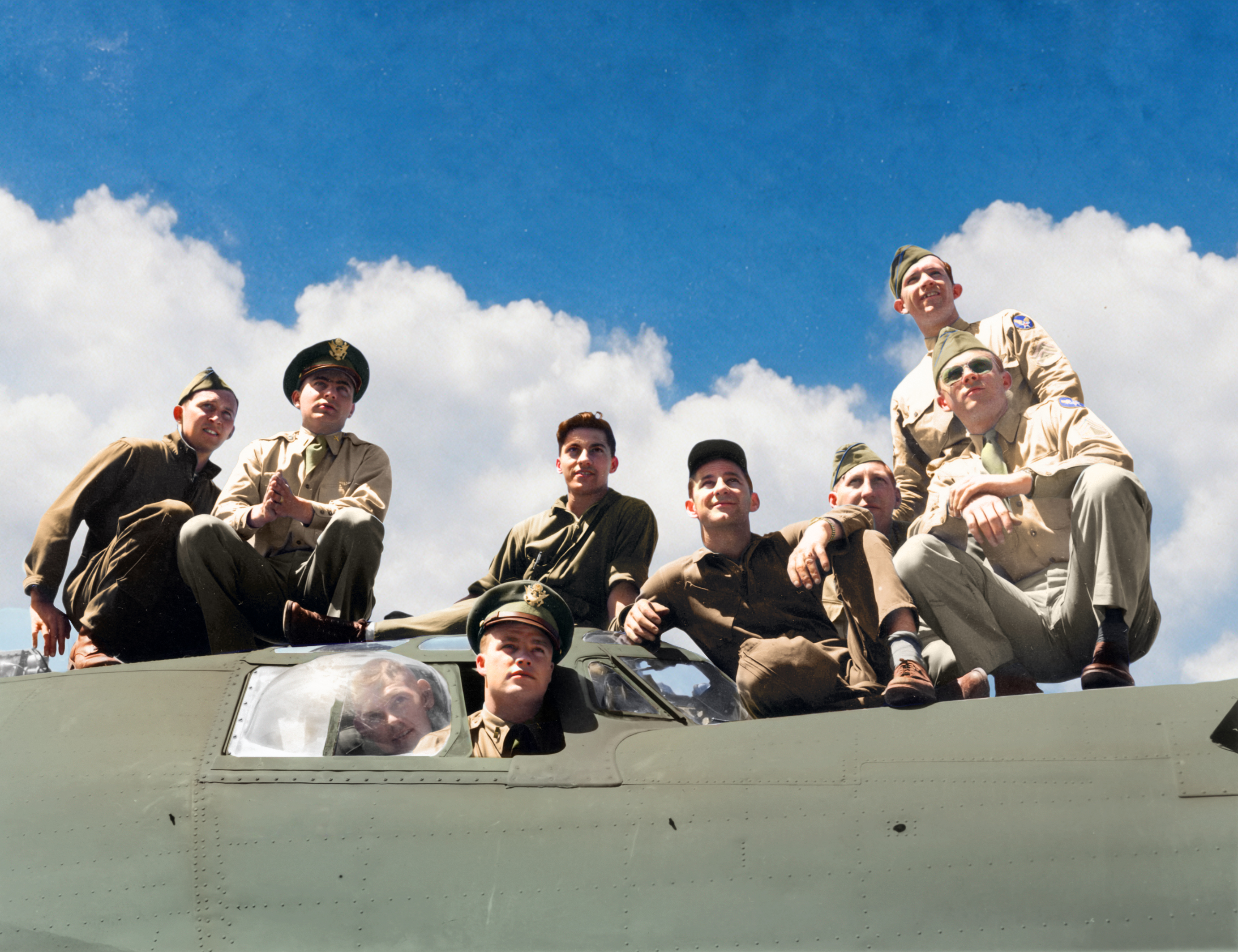
Nine men chronicling the story of one mission together.
In wartime.
Edited into a single narrative, it became the best-documented bomber crew account I’d ever read.
From there, our research stretched across America and Europe. We dug through six U.S. archives and an equal number of Romanian repositories. Our research team even plunged into the shadowy hallows of Transylvania in search of the final clues to this epic adventure that once shaped the outcome of the European war.
* * *
Prepare for flight.
In Tidal Wave, you’ll ride along with Ernie and his crew, twenty-somethings brought to the desert on a secret mission. You’ll see the low-level raid through their eyes, from cockpit to captivity, and meet the Romanians whose lives collided with theirs: Princess Catherine, King Michael, and “Buzz” Cantacuzino, the enemy ace.
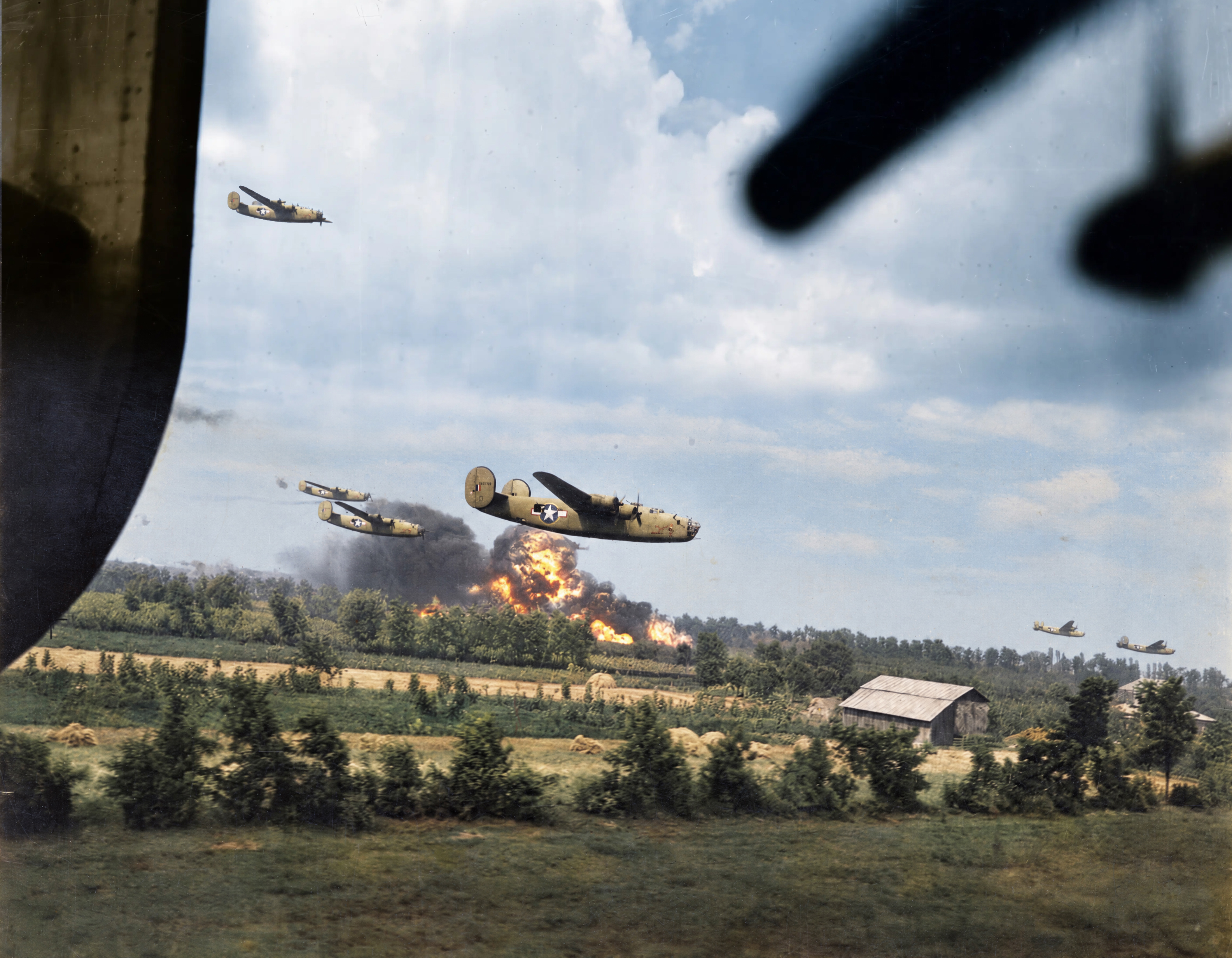
Tidal Wave, at its heart, is not a tale of grand strategy, mission statistics, or royal intrigue. It’s a story of humanity, of people with the trappings stripped away, of courage, survival, and ultimately a revelation about the person we call “the enemy.”
Mr. Fred Smith saw it first. That was the story he urged me to chase, the one he believed the world needed to know. It’s the saga that would define our friend Ernie Poulson and the more than 1,700 Americans who flew the mission for the rest of their lives.
The props are clear. The bomber’s fueled. The course is set.
Ahead lies a mission no one expected to survive.
Operation Tidal Wave.
The men who flew it earned their place in history. The story they left behind deserves to endure beside them.
Discover this incredible true story in TIDAL WAVE, available at booksellers everywhere. Want a copy signed & personalized to you by Adam? Head to www.ValorStudios.com/tidal-wave to order yours today. Only available for a limited time!


