X


Dr. Edith Eger danced for her life during the darkest days of the 20th century.
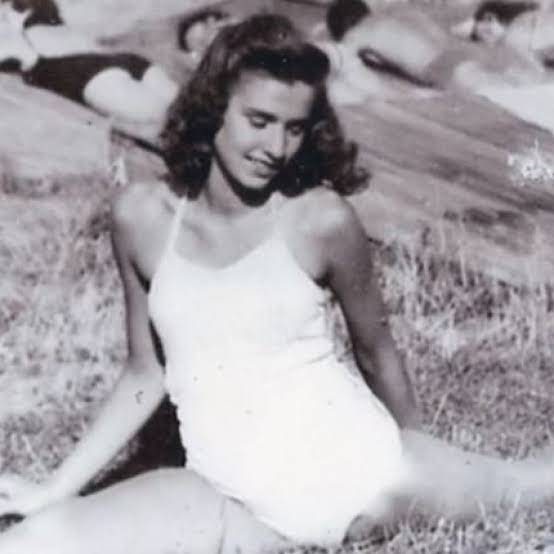
The heavy steel doors of the cattle car slid open. Dogs barked. It was May 1944. Sixteen-year-old Edith Eva Elefant had arrived at Auschwitz-Birkenau. She held her mother’s hand.
I recently tried to imagine this scene after learning that Edith passed away on April 27 this year, aged 98. What was it like to arrive at a place where more than half a million of your fellow Jews were murdered in about six weeks? Think about that – one human being is killed almost every second.
In 1944, Edith was a girl from Kosice, Hungary, a trained ballerina and an Olympic track-and-field gymnast. She was but one of hundreds of thousands of Jews deported to Auschwitz by Adolf Eichmann and his fellow SS bureaucrats, aided by the Hungarian authorities.
Eichmann was determined to liquidate every Jewish community in Nazi-occupied Europe, and by May 1944 he had almost succeeded. The last sizable population still remaining was in Hungary, so Edith was part of Eichmann’s final, large deportation, his last and most effective mass murder.
Within minutes of arriving at Auschwitz-Birkenau, Edith stood face-to-face with one of Nazi Germany’s most sadistic monsters - SS-Hauptsturmführer Dr. Josef Mengele, the irredeemably evil camp “doctor” who performed all manner of medical experiments on often carefully selected human specimens.
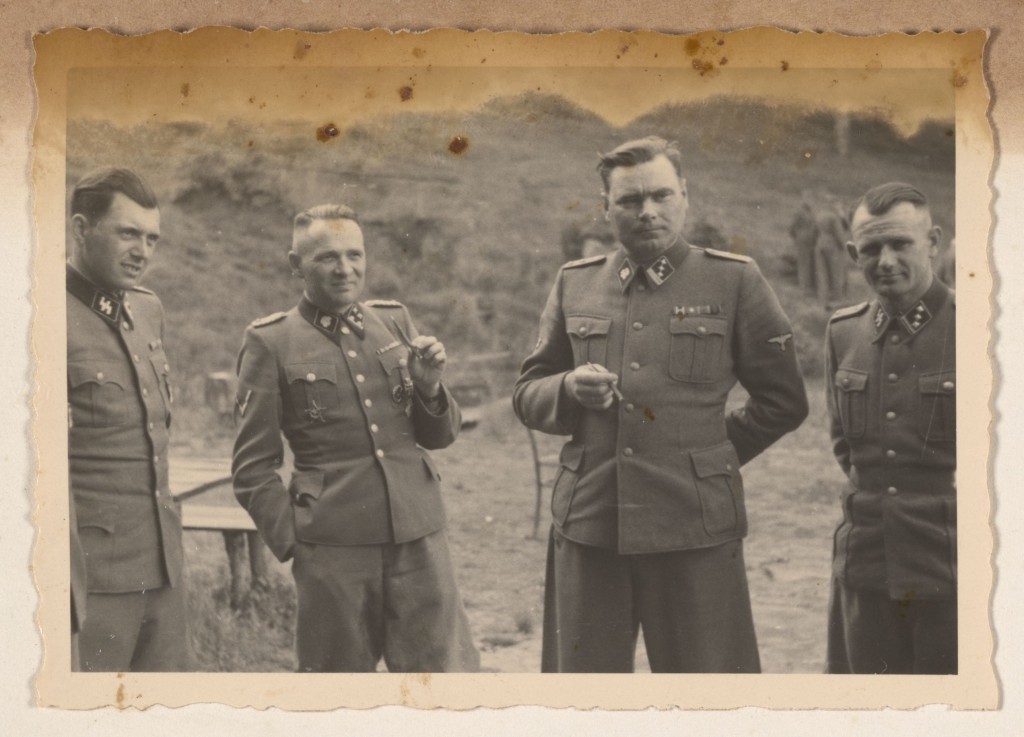
Auschwitz was the perfect laboratory for Mengele’s racial theories, where he infamously experimented on more than 1,500 sets of twins, of which some hundred individuals survived. Dwell on that number. It’s beyond the human mind, so vast in its barbarity, so alien to almost all of us more than eight decades later. And worth repeating… Only a hundred survived – itself perhaps a miracle.

With a flick of his thumb, Mengele decided so many families’ fates.
Edith’s mother was sent to the left, straight to the gas chambers.
Edith and her sister Magda were sent to the right.
Edith tried to run after her mother.
Mengele grabbed her arm.
“Your mother is just going to take a shower.”
Night fell.
The sky above chimneys glowed orange.
An inmate pointed to the smoke.
The inmate told Edith the truth.
Her parents were already dead.
Edith remembered the last words her mother had whispered in the train to Auschwitz.
“No one can ever take away what you put in your mind.”
Later that first night, Mengele entered Edith’s barracks.
He wanted to be entertained, amused.
Some of the Hungarian girls knew Edith was a dancer.
They pushed Edith toward Mengele.
Edith was just sixteen.
She had a simple choice.
Dance or die.
She closed her eyes and imagined she was under the bright lights of the Budapest Opera House.
A prisoner began to play music.
Edith danced to Johann Strauss’s “The Blue Danube.”
Where did she find the energy to jump and pirouette?
Mengele watched.
He looked pleased and tossed Edith a loaf of bread.
Edith took the loaf to her bunk and shared it with her sister Magda and other girls.
The bread kept them alive.
“We survived together,” recalled Magda, “for each other…[her] soul [was] my soul.”
The Red Army closed in, and in January 1945, the SS evacuated Auschwitz-Birkenau.
Magda and Edith ended up in an ammunition factory in Germany. Then they were driven on a death march across the Austrian Alps toward the Mauthausen concentration camp.
It was bitterly cold.
Edith collapsed in the snow.
If you fell to the ground, a bullet in the back of the head soon followed.
The girls who had eaten Mengele’s bread with Edith picked Edith up and carried her, saving her.
By May 1945, Edith and Magda were in Gunskirchen, a subcamp of Mauthausen.
Typhus was rampant. Corpses rotted in the spring sun.
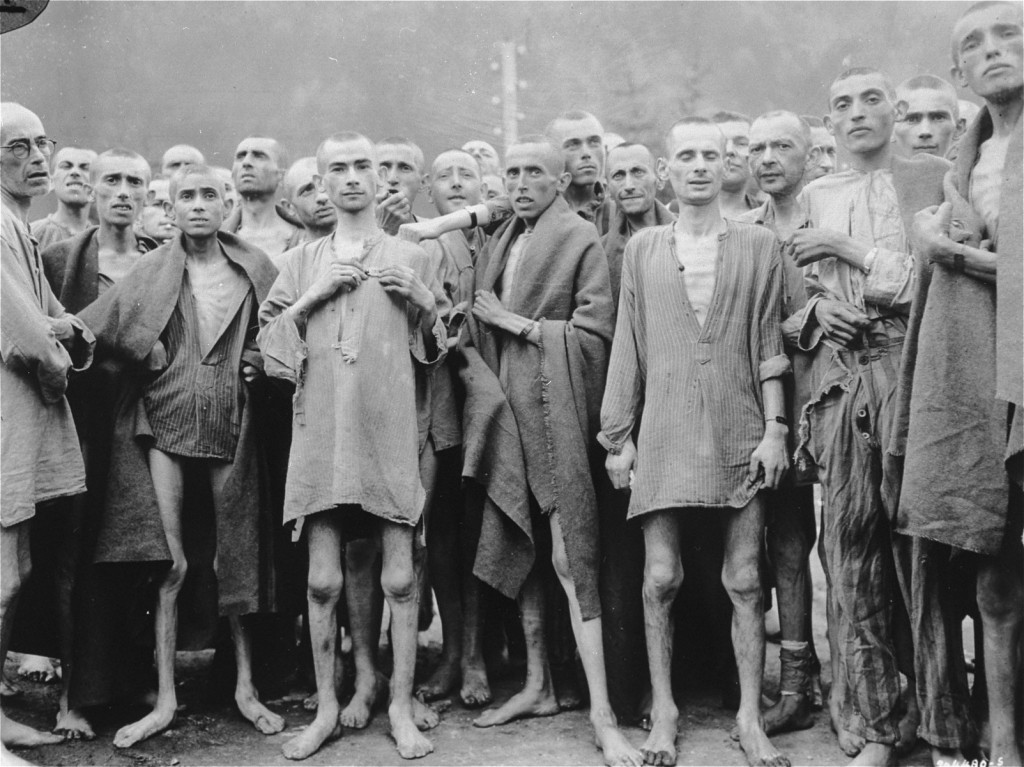
Soldiers from the U.S. Army’s 71st Infantry Division arrived on May 4. One liberator wrote home: “A horror no word describes... they were but skin and bone, riddled with disease and wounds.”
One GI knelt down near a mass grave.
The GI saw a girl’s hand moving.
He pulled Edith out of the mass grave.
Her back was broken. She had typhoid. She weighed just 70 pounds.
Three days later, after the death of nineteen million civilians, the war in Europe ended.
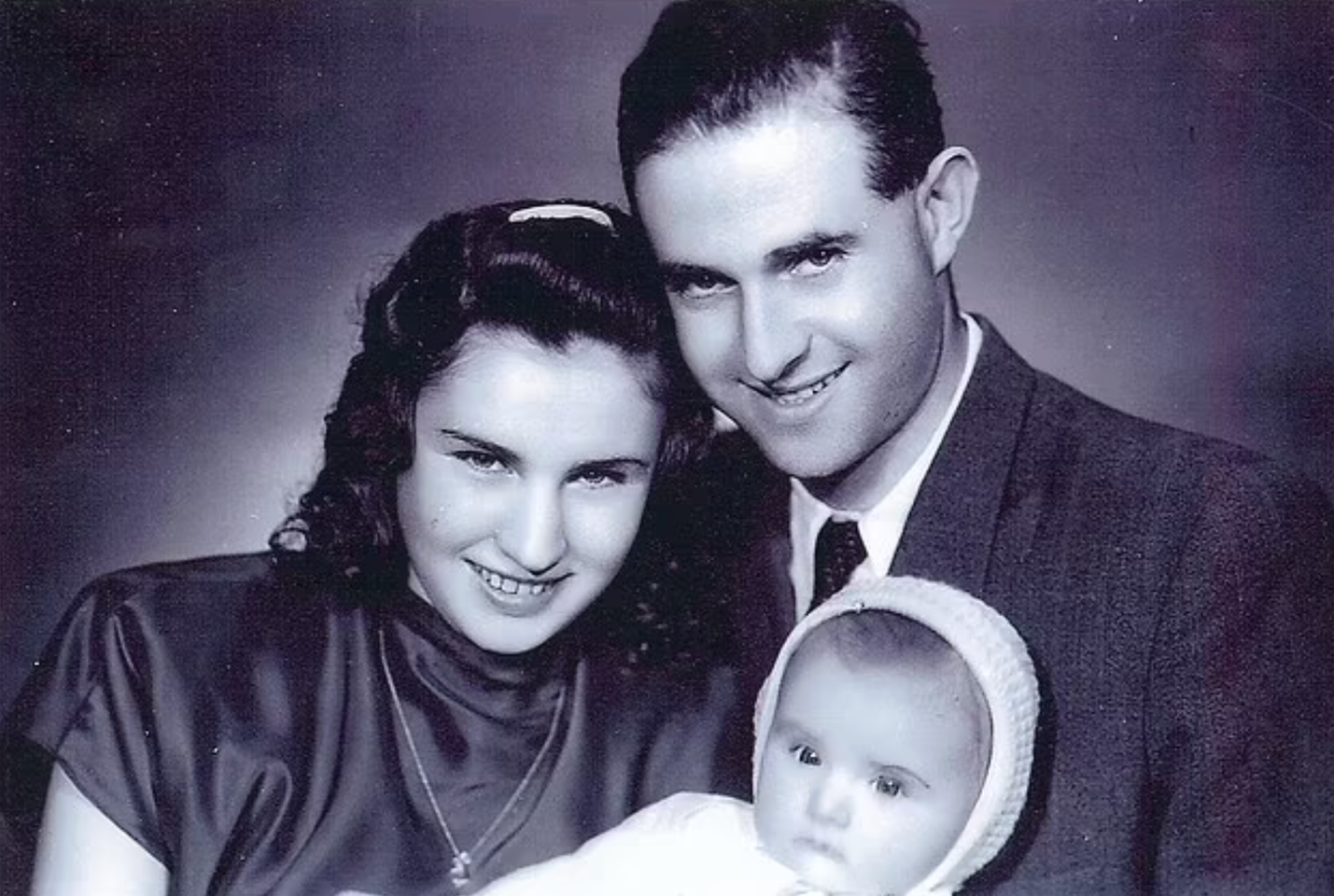
Edith married a Jewish resistance fighter named Béla Eger in 1946. In 1949, to escape communism in Czechoslovakia, she and her husband arrived in New York, and later moved to El Paso, Texas.
For twenty years, Edith didn’t say a word about Auschwitz. Like so many survivors, she tried to bury the past, working long shifts in a clothing factory, sewing linings into coats until her fingers bled.
The past would not die. She had nightmares and panic attacks. “To run away from the past or to fight it is to remain a prisoner of it,” she recalled.
In her late forties, Edith decided to go back to school, eventually earning a doctorate in clinical psychology. She read the writings of Dr. Viktor Frankl, another Auschwitz survivor and author of the now-classic “Man’s Search for Meaning”.
Frankl became Edith’s mentor. “Everything can be taken from a man,” Frankl wrote her, “but one thing: the last of the human freedoms—to choose one’s attitude in any given set of circumstances.”
Frankl encouraged Edith to use her experience to help others, and Edith established a therapy practice in California, specializing in treating Post-Traumatic Stress Disorder.
“The ultimate prison is in your own mind,” Edith told her patients. “The key is in your pocket.”
In 1990, Edith returned to Auschwitz, walking through the gates, standing where her parents were murdered.
She made another critical choice.
She decided to forgive herself for surviving.
Aged 90, she published a memoir, “The Choice: Embrace the Possible”, which became an international bestseller.
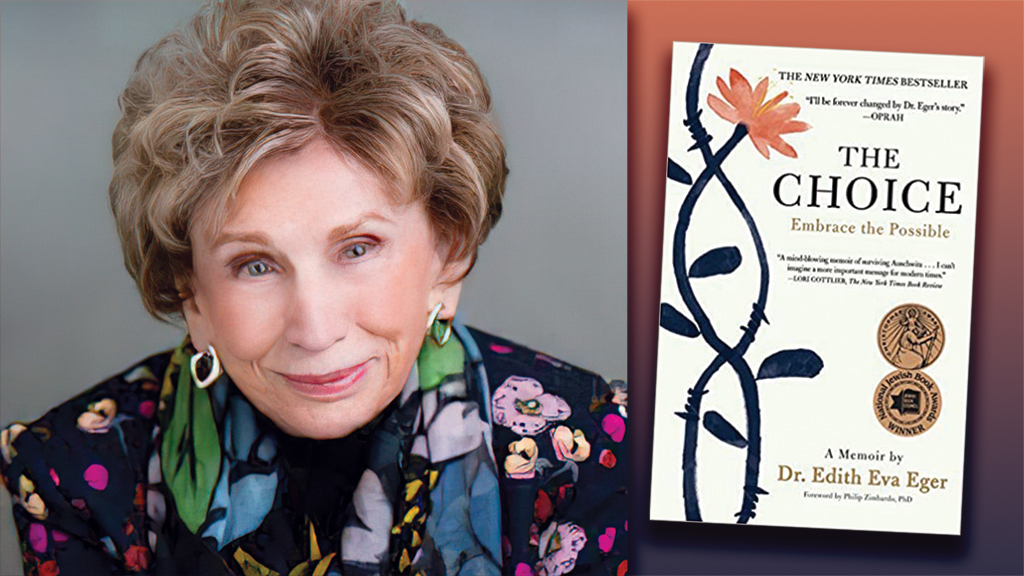
Her wisdom was profound and deeply inspiring. In her final years, she wrote: “We cannot choose to have a life free of hurt. But we can choose to be free, to escape the past, no matter what befalls us, and to embrace the possible.”

Edith was the ultimate proof. She is survived by three children, five grandchildren, and 12 great-grandchildren.


