X


Friends of the National World War II Memorial presents a Monthly Conference Series to learn more about the spirit of unity and shared purpose that defined the character of our country during World War II. This series of monthly half-day virtual conferences features discussions with WWII veterans, war orphans, published authors, and other experts.
Register today, for free, to join this unique digital experience.
September - April
Third Saturday Monthly
10 a.m. to 1 p.m. ET


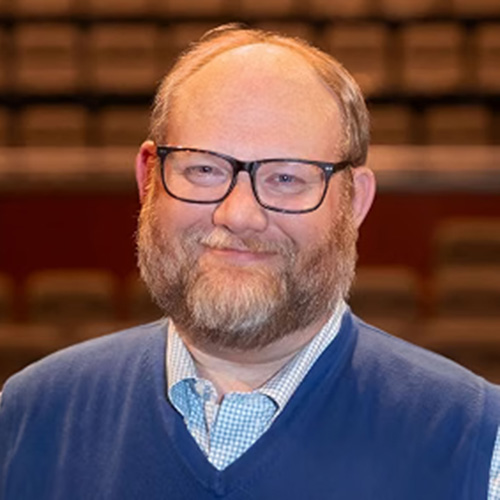
Drawing on his book Partisan Song, musicologist Dr. James A. Grymes tells the story of Moshe Gildenman, a Jewish engineer and cultural leader from Korets, Ukraine, who took up arms after the Nazis murdered 2,200 of the town’s Jews, including his wife and daughter. Escaping to the forest with a revolver, five bullets, and a Yiddish songbook, Gildenman fought as “Uncle Misha,” leading a small partisan brigade that carried out more than 150 combat operations against bridges and other strategic targets. Grymes, Professor of Musicology at UNC Charlotte, follows Gildenman’s fight across northern Ukraine and on to Berlin.
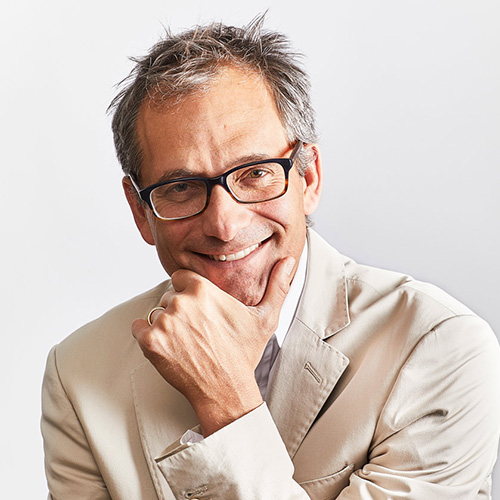
When World War II began, the U.S. Army Air Corps was a small service devoted largely to delivering mail. By 1945, America had built the B-29 Superfortress, a bomber whose development cost more than the Manhattan Project and the only aircraft in the U.S. arsenal capable of delivering the atomic bomb. Journalist and historian A.J. Baime’s Bird Men traces that transformation through the career of General Henry “Hap” Arnold, following the engineers, factory workers, and air strategists who built American airpower and helped make the United States a postwar superpower.


Soldiers in World War II spent far more time waiting than fighting, and books became one of their best defenses against boredom. In A Librarian’s War, attorney and historian Molly Guptill Manning tells the story of Ray Trautman, a Depression-era farm boy who became chief of the Army’s library program. Trautman persuaded reluctant publishers to embrace paperbacks and created the Armed Services Editions, compact books sized to fit in a uniform pocket, while resisting efforts in Congress to control what troops could read. Under his direction, hundreds of millions of books and magazines reached American service members around the world.

The Friends of the National World War II Memorial’s education programs are generously supported by the Jack C. Taylor / Enterprise Rent-A-Car WWII Memorial Education Endowment.


