X


This September 20, the Dutch will honor and remember the fallen of Arnhem.
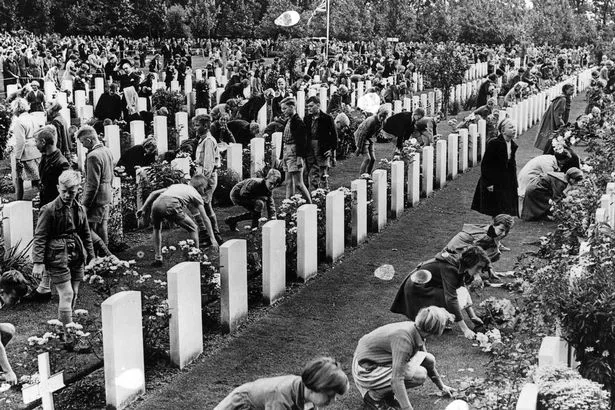
It’s one of the most moving events you can witness if you love Europe and freedom. Every fall, in a suburb of a town in Holland, tragic defeat is commemorated in a beautiful graveyard. This year will be no different. Indeed, this Sunday, September 20, Dutch schoolchildren, known as the “Flower Children”, will once again walk onto the perfectly manicured grass of the Arnhem Oosterbeek War Cemetery.
They will do so at precisely 11:30 AM. Moving silently in pairs down the long aisles of white headstones, they will lay fresh flowers at each of the 1,750 Commonwealth graves. This annual ritual, begun in 1946, ensures that the sacrifice of the British 1st Airborne Division is never forgotten. How wonderful – the responsibility of gratitude is passed from one generation to the next. If only this happened in the United States and elsewhere.
The men resting in eternal peace at the cemetery died during Operation Market Garden, the Allies’ doomed attempt to cross the Rhine eighty-two years ago. The highly ambitious plan sought to seize a series of vital Dutch water crossings, outflank Germany’s Siegfried Line, and secure a direct armored highway into the industrial Ruhr Valley. If it had worked, the war on the Western Front would have been over in a few months, at the latest by Christmas 1944.
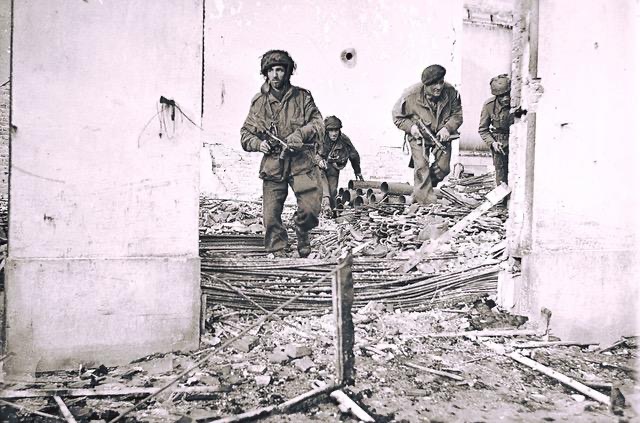
Of course, it didn’t turn out that way. Instead, catastrophic intelligence failures, broken radio communications, and surprisingly violent and well-coordinated German counterattacks stopped the Allied ground forces, an increasingly beleaguered armored column, just short of its final destination on the Lower Rhine. The ultimate cost of this strategic overreach was paid in the suburban streets of Oosterbeek, where surrounded, lightly armed British paratroopers staged one of history’s most heroic final stands.
The town of Oosterbeek and its neat, tree-lined streets descended into hell on September 20, 1944. On Acacialaan (Acacia Lane), a narrow street, men of the South Staffordshire Regiment came under ferocious attack. A German Sturmgeschütz (StuG) assault gun leveled homes where British paratroopers had taken cover. Amid the blinding brick dust and smoke, Lance Sergeant John Baskeyfield operated a six-pounder anti-tank gun.
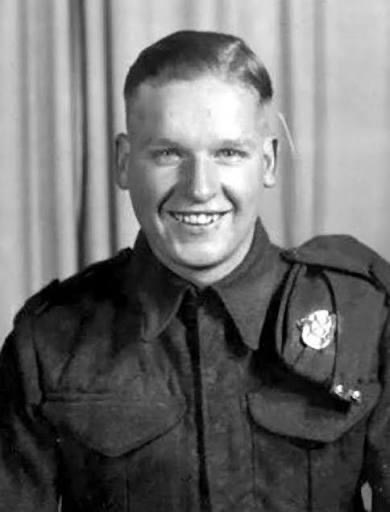
A high-explosive shell slammed into Baskeyfield’s position, killing his crew and ripping open his leg to the bone. Bleeding profusely, Baskeyfield refused to abandon his post, shouting to nearby comrades: “I’ll stay with the gun!” Alone, he dragged himself through the debris, loaded a shell into the breech, took aim, and fired, scoring a direct hit that knocked out the German assault gun.
He was not done. Another German armored vehicle approached. Baskeyfield somehow dragged himself across the open road to another anti-tank gun, its crew dead. He was about to fire when a tank shell struck the gun shield, killing him instantly. For his incredible courage and resilience, he earned a posthumous Victoria Cross, the highest British award for bravery. Only 181 people received it. By contrast, 472 Medals of Honor were awarded to Americans in WWII.
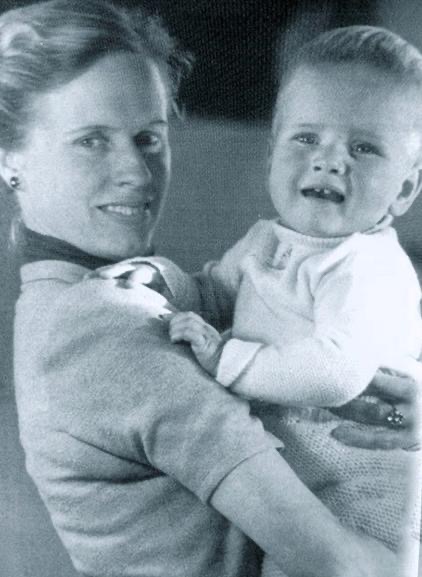
A few streets away, the home of Kate ter Horst, a Dutch mother of five, had meanwhile become a makeshift aid station. I’ve walked past it several times and am always struck by how this battle took place literally in the bosoms of the Dutch, for whose freedom young men were dying by the score each day, in their backyards, front gardens, and on their doorsteps. Nowhere will you find such profound respect for the British; nowhere will you feel the love, the intimacy, still great after several generations.
With her husband Jan guiding the British, Kate helped medics and doctors tend to severely wounded and dying men with scant supplies and little hope of receiving more. Within days, more than 250 wounded Brits crowded her cellar. They died by the hour as hope ran out. Shell bursts ripped off her roof, but Kate kept up her vigil, stepping between blood-soaked stretchers, fetching water from her toilet tank, and kneeling beside boys, reading passages from an English Bible.
One soldier later recalled that Kate, known as the Angel of Arnhem, “was a wonderful woman, moving among us in the candlelight, bringing water and a touch of sanity to a madhouse.” That soldier was fortunate to survive. After the firing finally stopped, Kate walked out of her battered house and looked around. 57 graves had been dug in her garden.
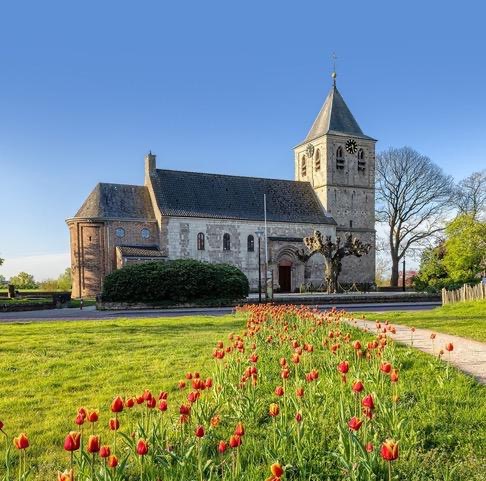
By September 21, most of the remaining paratroopers in Oosterbeek had taken refuge in the Oosterbeek Oude Kerk (The Old Church), one of the most sublime places I have ever visited. Inside its medieval stone walls, hundreds of wounded soldiers lay shoulder-to-shoulder on the cold floor as candlelight flickered through dust kicked up by nearby explosions.
A couple of years ago, while scouting a trip for Friends, I visited the church. I had just learned that my father had died, and I sat and prayed. I stood where another extraordinary Brit had stood in 1944 and imagined what it was like to rally men at the eleventh hour, when there seemed no chance of seeing another day, let alone victory in WWII.
Before the numbed remnants of the 1st, 3rd, and 11th Parachute Battalions, Major Richard “Dickie” Lonsdale, heavily bandaged from wounds to his hand and leg, walked to the church’s pulpit. He then delivered one of the most powerful addresses in the annals of war:
“You know as well as I do there are a lot of bloody Germans coming at us. Well, all we can do is to stay here and hang on in the hope that somebody catches us up. We must fight for our lives and stick together. We've fought the Germans before... They've given us heavy stuff before and we can take it again. Put your trust in the Lord, pass the ammunition, and shoot to kill!”
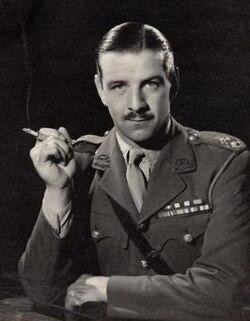
His words bring tears to the eyes when you stand in that very church and imagine the scene. And they worked. Lonsdale’s sermon spurred the paratroopers to hold against wave after wave of SS troops for four more days. The holdouts could hear the guns of Lieutenant General Brian Horrocks’ XXX Corps, fighting to the rescue. They were so close, just a few miles, yet so far… Horrocks’ armored column could be seen across the Rhine but could not get over it.
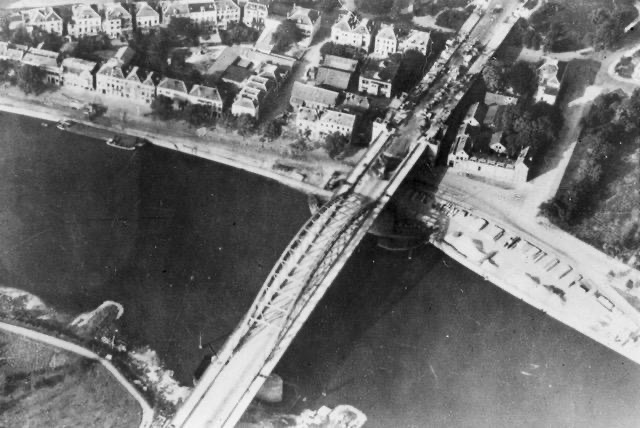
When the order for Operation Berlin – a night evacuation across the Rhine - came on September 25, fewer than 2,200 men crawled out of the Oosterbeek mud to safety. Behind them, they left a ruined village and the graves of more than 1,400 comrades.
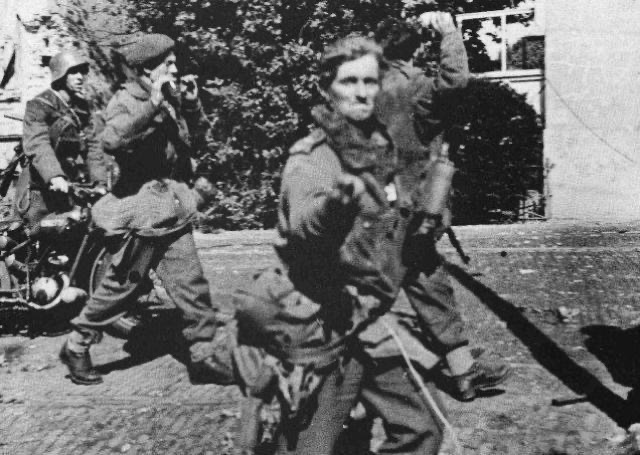
So few remember the tragedy and heroism of Arnhem and the fight for the legendary “bridge too far” today. Peter Colthup, the last surviving British glider pilot, passed away at 103 on January 5 this year. William “Bill” Aldcroft, the last surviving member of the Parachute Regiment who fought in the Arnhem campaign, died on February 22, aged 103.
They are all gone. Every single one. The human chain to the past is broken. No British veterans of the Battle of Arnhem remain. And so, on 20 September, the Dutch will pick up the torch of remembrance once more and send their children among the headstones.
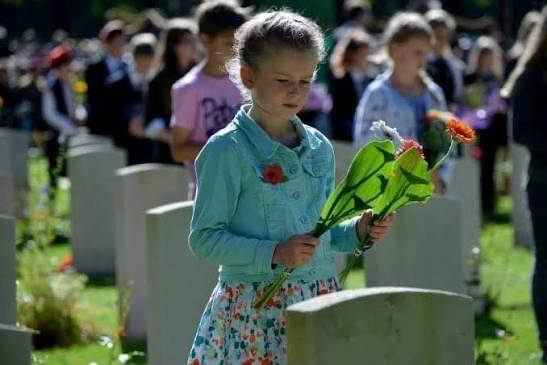
The Flower Children will walk among the fallen again. One of their forebears, a member of the Dutch Resistance, once told returning British veterans: “Don’t ever say that it was a wasted effort. You gave us hope. You showed that someone cared and that we were not forgotten.”


