X


With the anniversary of D-Day fast approaching, here’s a list of the must-see sites to visit in Normandy.
1] Normandy American Cemetery, Colleville-sur-Mer.
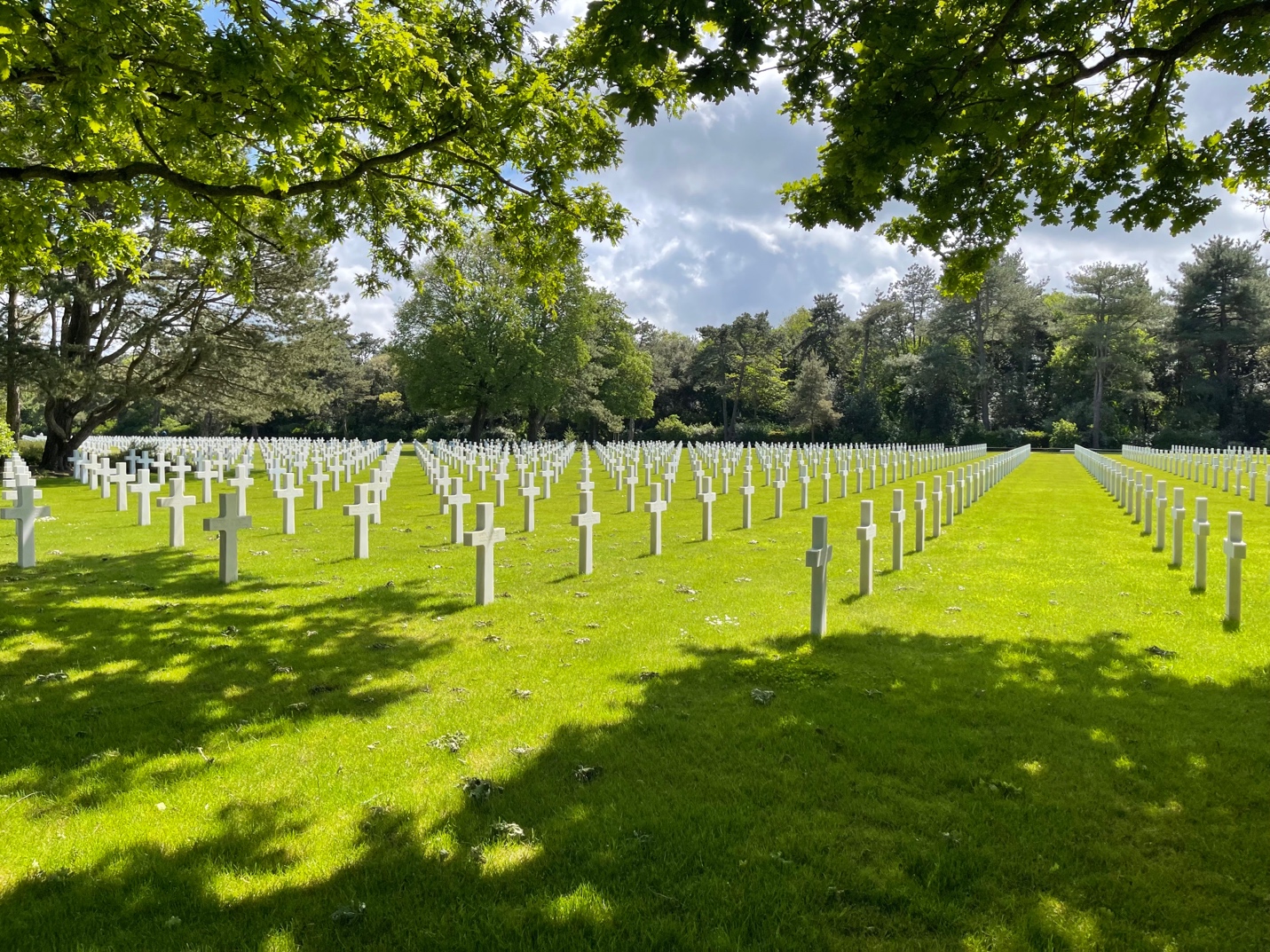
A couple of weeks ago, Friends spent a week in England and France on our annual Victory in Europe tour. The climax of our trip, following in the Allies’ footsteps, was the immaculately maintained graveyard above Omaha Beach, the final resting place for 9,389 US military personnel. There is no better place on earth to feel proud to be American. It should be at the top of every US traveler’s bucket list of foreign must-see places.
2] Pointe du Hoc.
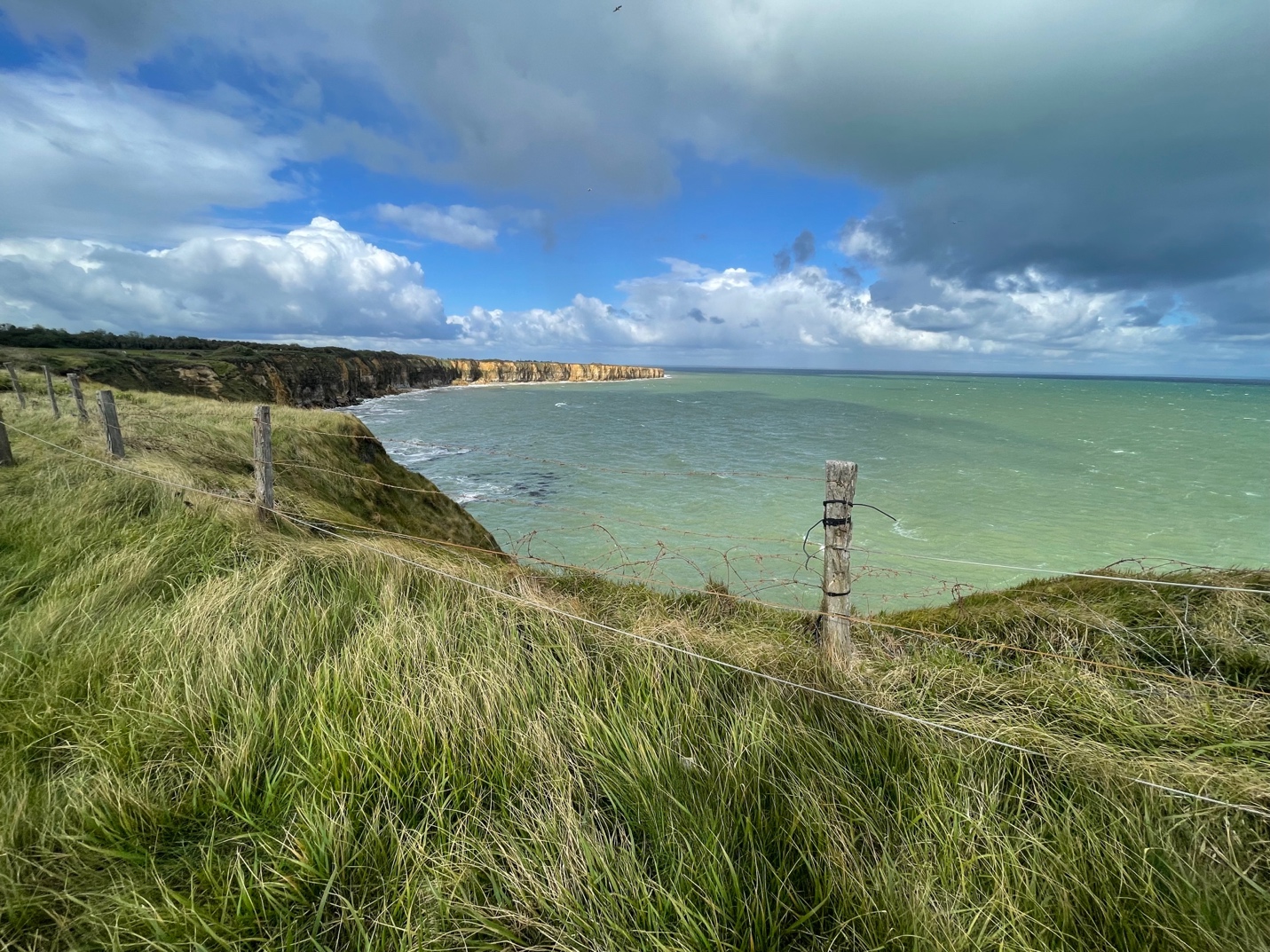
Having toured battlefields around Europe for almost three decades, I always recommend this windswept site, perched above towering cliffs, to those wanting to see what a battlefield actually looked like in WWII. The massive craters caused by shelling and bombing have been grassed over, but it’s not hard to imagine the challenge of seizing this German gun battery, the toughest mission of D-Day, according to General Omar Bradley. That any of the 2nd Ranger Battalion survived seems truly miraculous when you look down on the stormy waters of the English Channel and picture cold, wet young men clinging to rope ladders as Germans fired down on them.
3] Omaha Beach.
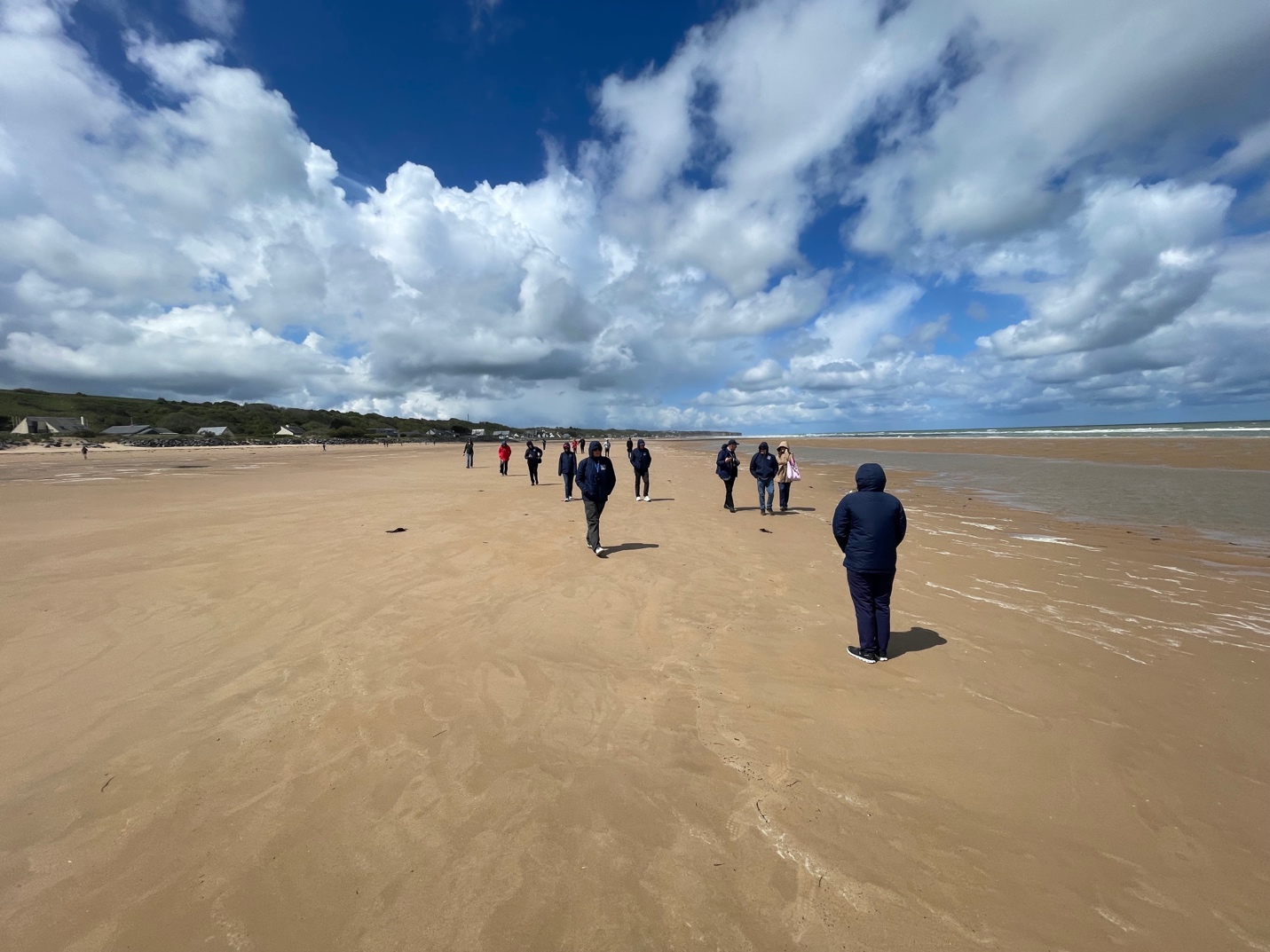
Some 900 Americans died on this five-and-a-half-mile-long, crescent-shaped beach, by far the deadliest of the five used by the Allies on D-Day. Two stops are obligatory: Easy Red sector and Dog Green. These two of the eight sectors of the beach were the bloodiest. The Bedford Boys, the subject of my book, belonged to Company A of the 116th Infantry Regiment, the only unit to land at the allotted time and place on the entire beach. Their plight is brilliantly portrayed in Saving Private Ryan: a devastating massacre. The drama and tragedy of the 1st Division landings on Easy Red were captured for eternity by Life magazine’s Robert Capa.
4] Arromanches Mulberry Harbor.
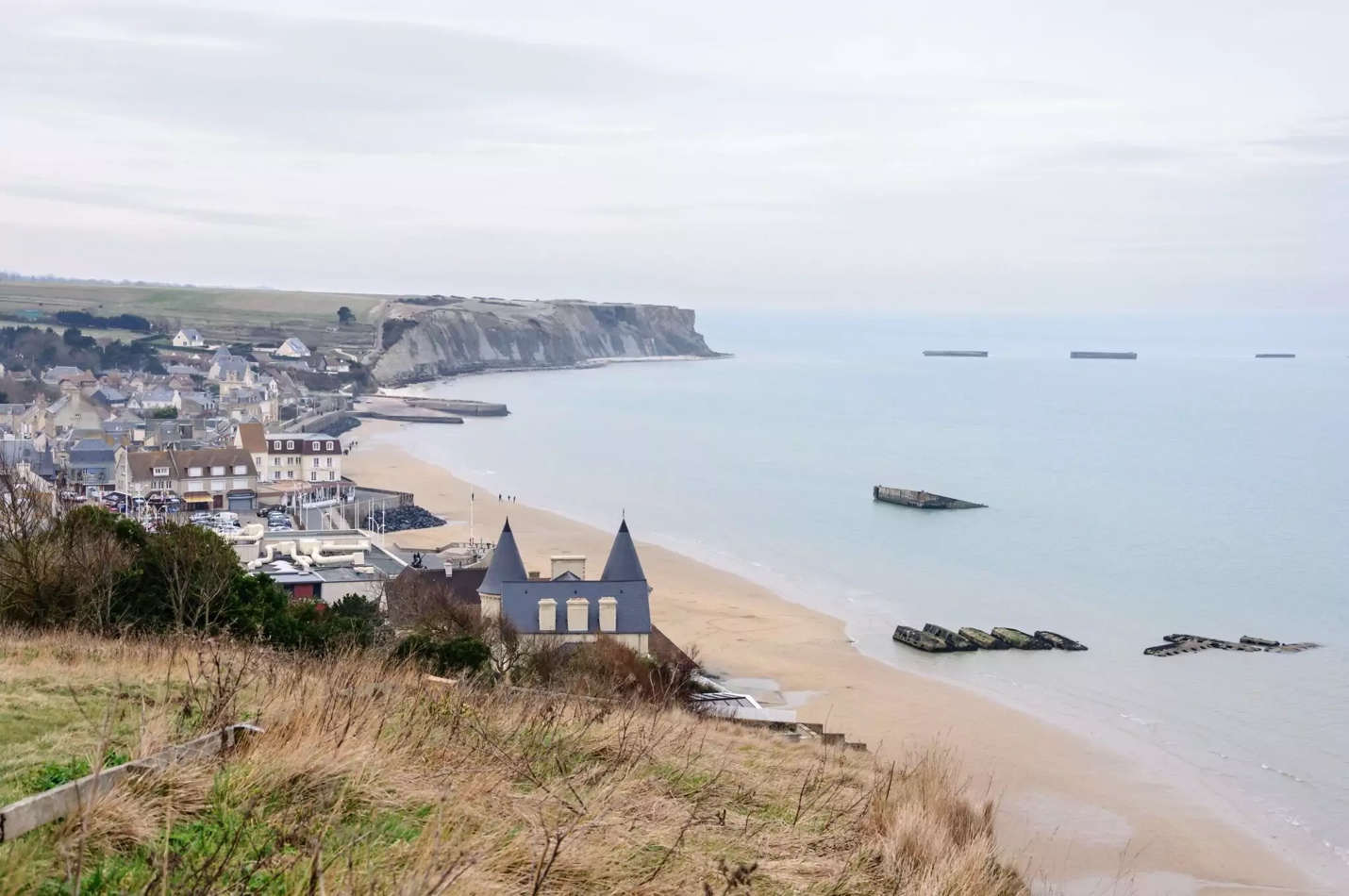
On our first morning in Normandy, we visited a cliff-top overlooking Arromanches. Remnants of an artificial “Mulberry” harbor – sections of the concrete caissons – can still be seen out at sea, reminding you of the sheer ambition and scale of the greatest amphibious operation in history.
5] Utah Beach.
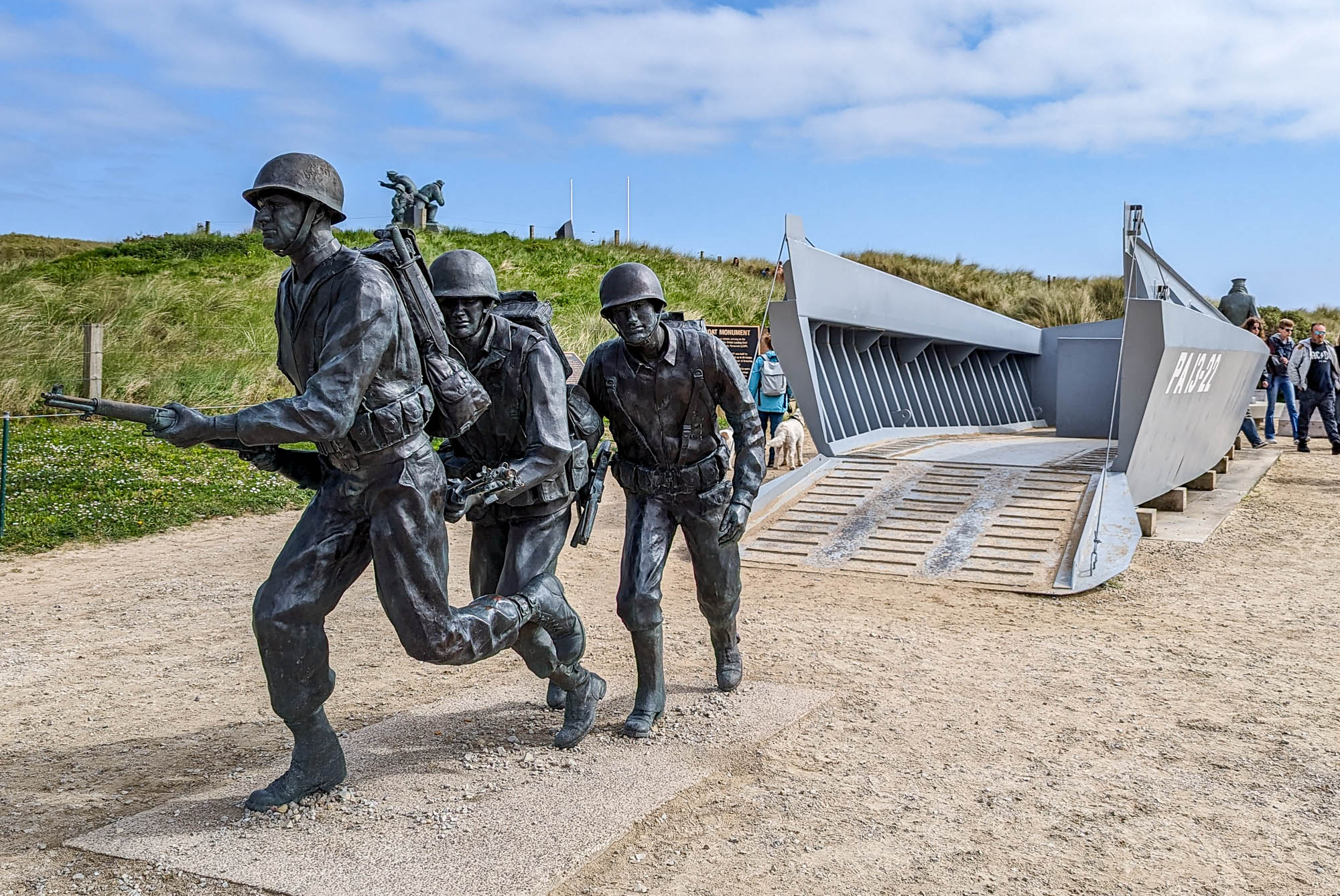
What happened here was nothing short of a miracle. Of some thirty thousand men who landed on this beach, fewer than 200 were casualties. It was an astonishing success. Stand where Captain Leonard Schroeder of the 4th Infantry Division, the first American to come ashore on D-Day at 6:28am, stood, and marvel at what the most effective carpet bombing in US military history did to German defenses, allowing so many men to get ashore, unlike at Omaha Beach.
6] Sainte-Mère-Église and the Airborne Museum.
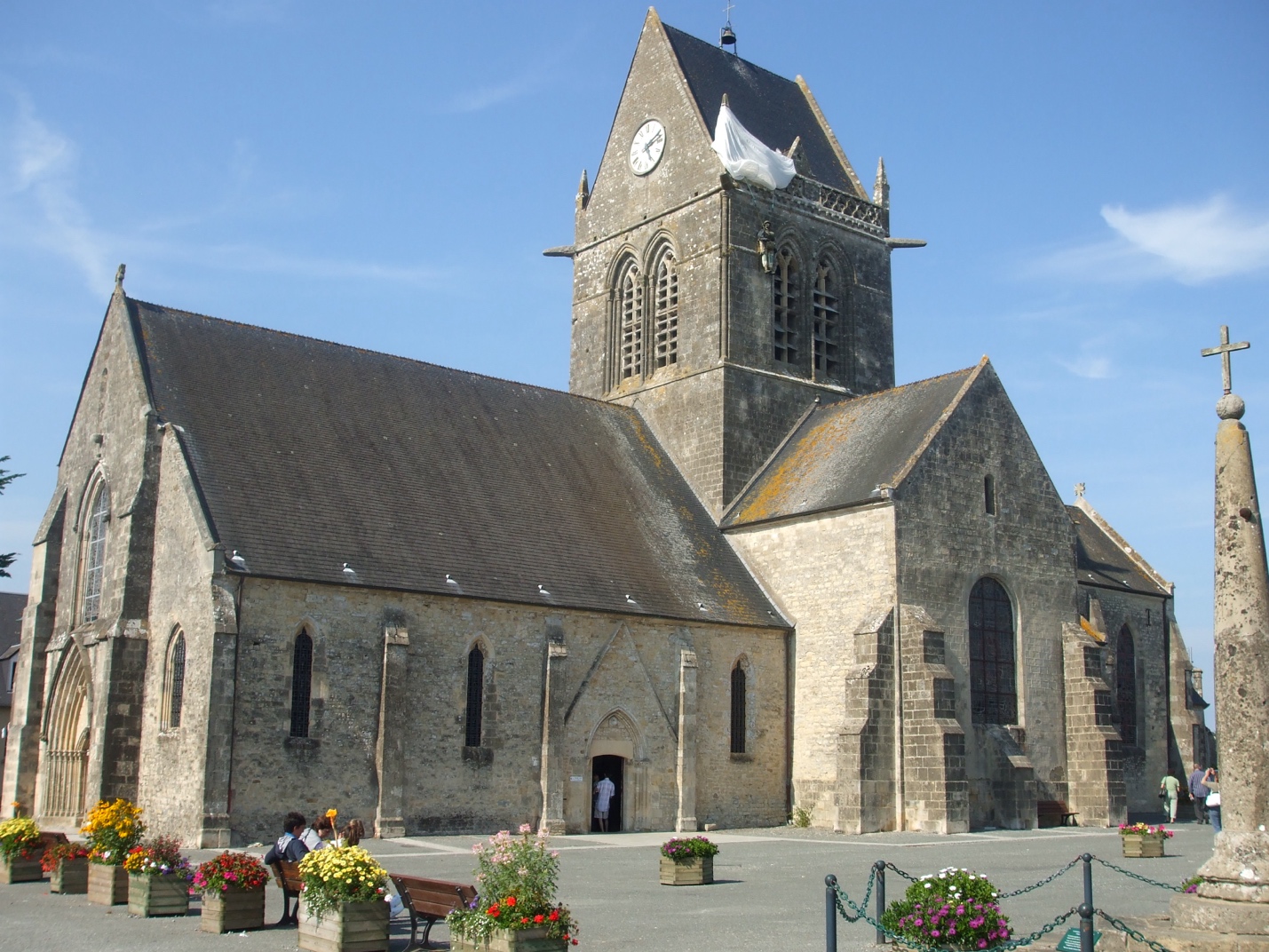
The best D-Day museum in Normandy is in the heart of this small market town, the first to be liberated by American paratroopers. The museum tells the stirring story of the 82nd and 101st Airborne Divisions on D-Day. Don’t forget to check out the famous church opposite the museum, with its moving stained-glass window depicting a soldier descending from the heavens.
7] Juno Beach Centre, Courseulles-sur-Mer.
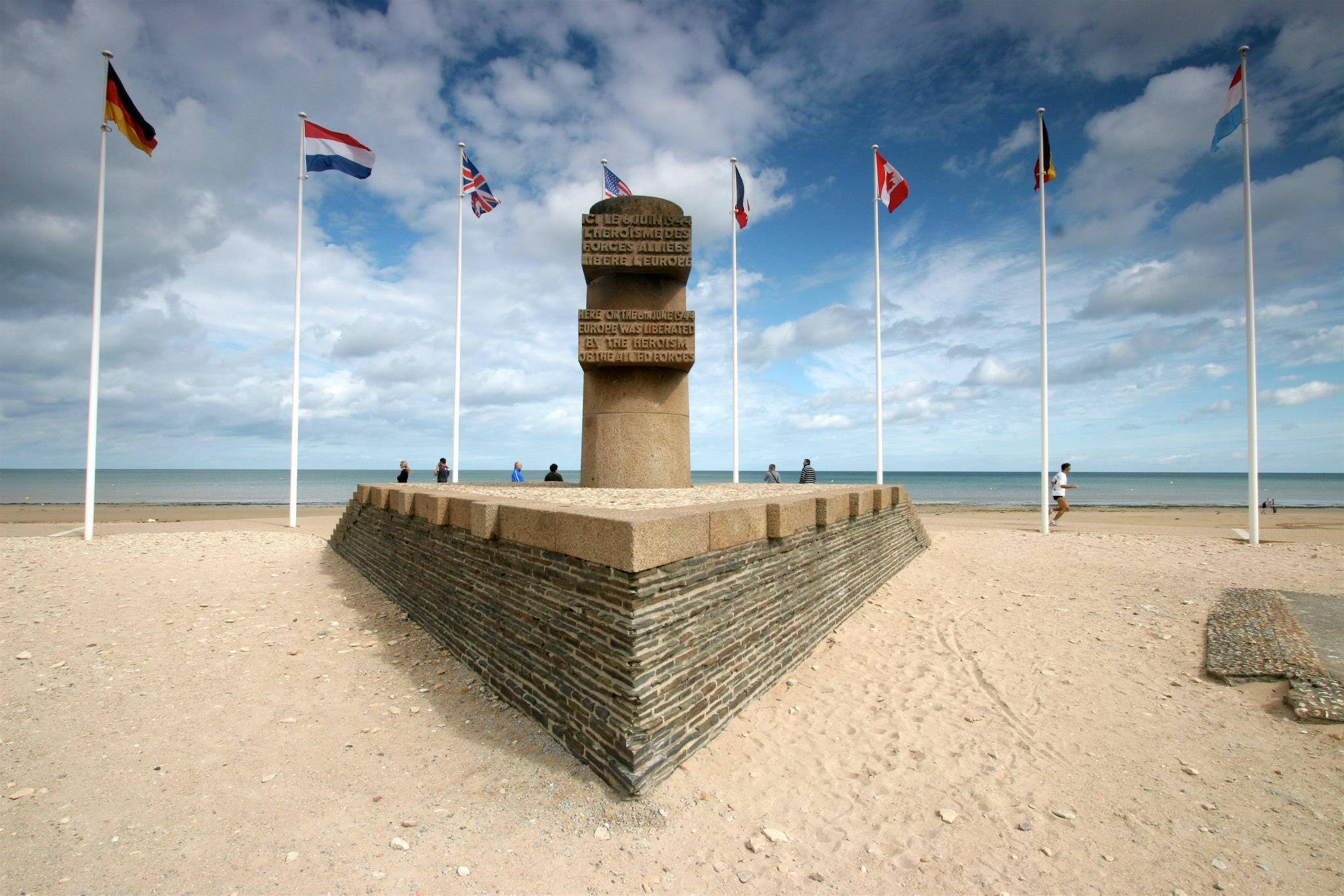
It’s easy to overlook that the majority of troops who fought on D Day were British and Canadian. Most Americans visit only the sites where the US fought. Yet the story of Canadian sacrifice, told at this museum, is as dramatic as any tale from any Allied nation on D Day. The Canadians lost over three hundred men on Juno Beach and advanced the furthest on D Day, yet their role has often been overlooked.
8] Longues-sur-Mer Gun Battery.
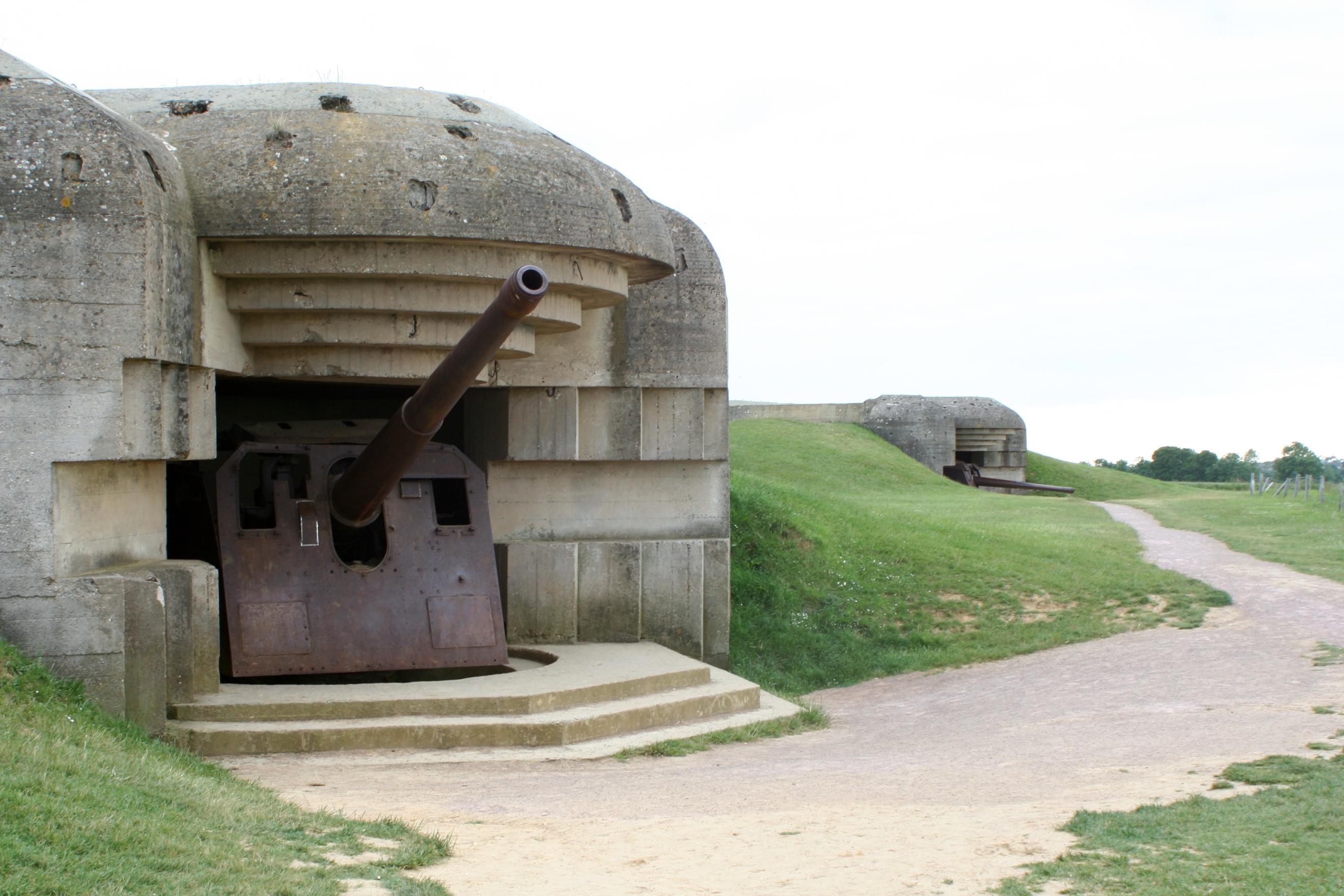
We drove past this impressive site on our first day, and it’s one of the most popular D-Day sites in Normandy for a very good reason – you can still see the gun emplacements and original guns. This was a key position on the Atlantic Wall, which stretched from Norway to Spain. When you visit, the question arises: just how much concrete and how many slave laborers were needed to build all the defenses along the more than fifteen-hundred-mile-long Atlantic Wall? And yet the Allies breached it in just a few hours on 6 June 1944.
9] Pegasus Bridge.
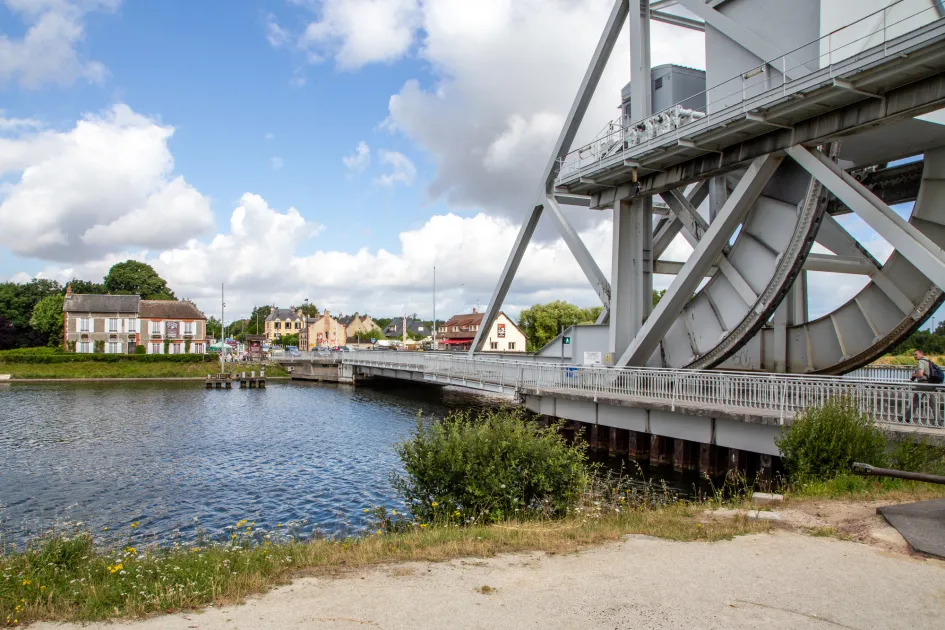
Stand close to Café Gondree, widely recognized as the first house liberated in France, and marvel at the single greatest feat of flying in WWII – the crash-landing of a glider just yards from a key tactical target, Pegasus Bridge. Nearby, Lt. Den Brotheridge, part of the legendary Ox and Bucks, was one of the first Allied soldiers killed on D-Day. Hallowed ground for Brits.
10] La Cambe German War Cemetery.
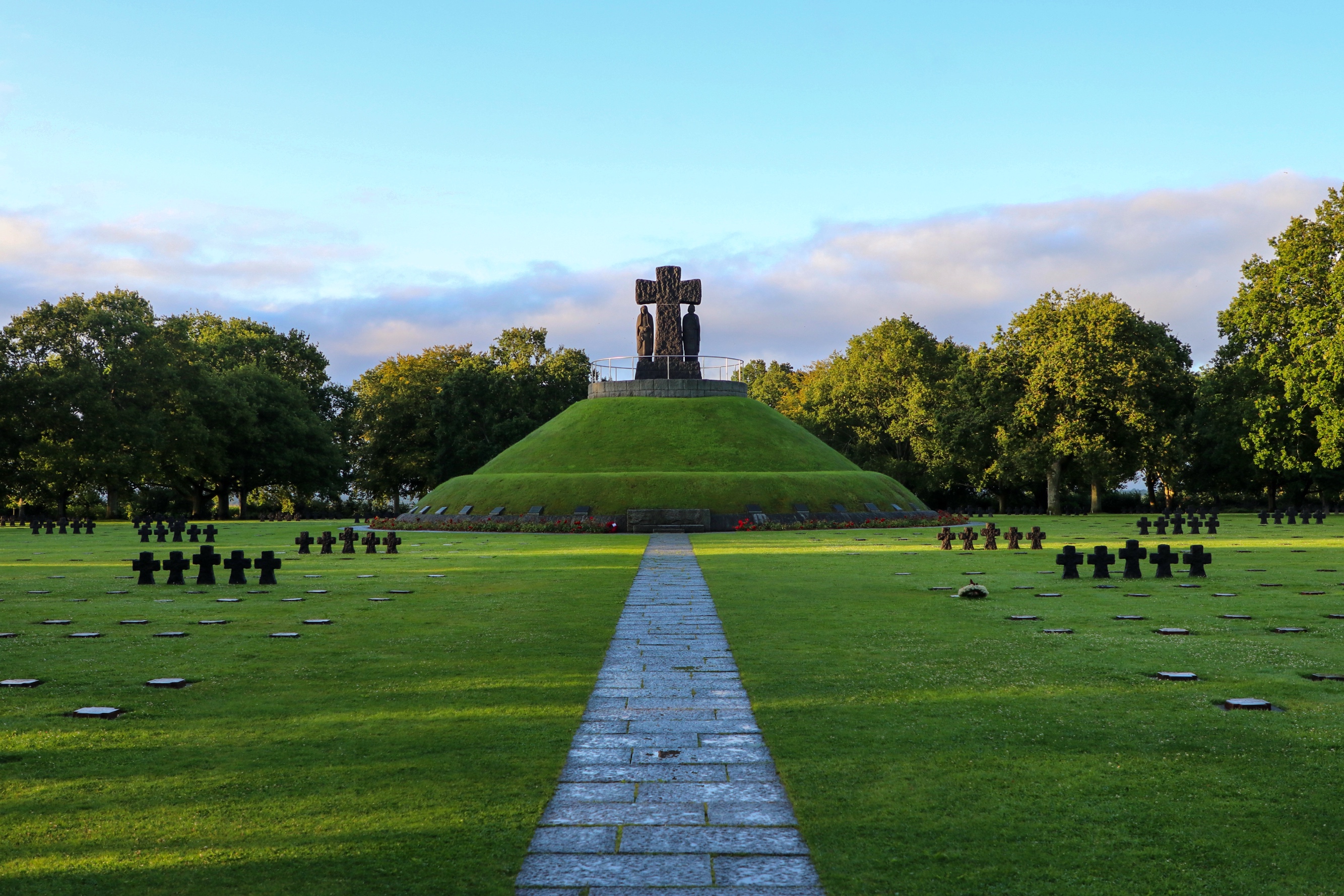
It’s an important stop on any tour because it forces us to confront the enemy. Surely, the tens of thousands of German soldiers who died in Normandy were fighting mostly for the same reasons as the Allies – for their country, their families, and their friends, because they had been drafted. I don’t like this graveyard because it is ugly – grim and somber, replete with Teutonic headstones. But war is ugly, and this final stop reminds us of what every veteran I’ve known has told me: combat is a living hell and should be avoided if at all possible. Only for the greatest cause should young men end up in mass graves.


