X


1. Jan Baalsrud.
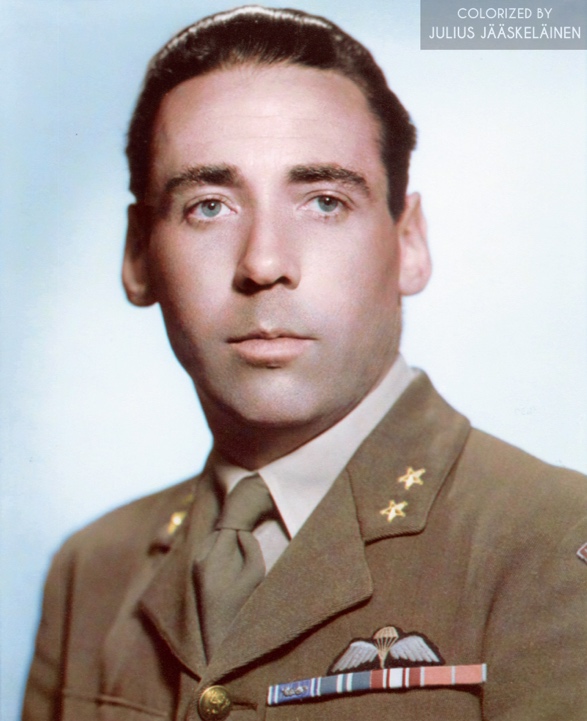
In 1943, a sabotage mission in occupied Norway went terribly wrong, leaving Jan Baalsrud the sole survivor. Hunted by the Nazis, he swam across a freezing fjord and survived an avalanche before spending a month trapped in a snow cave. When gangrene set in, he pulled out his pocketknife and amputated his own toes. “I didn’t think of it as courage,” he recalled. “It was just a job that had to be done if I wanted to see the next morning. You don’t think about the pain when the alternative is never waking up at all.” Local villagers eventually saved Baalsrud and smuggled him into neutral Sweden on a reindeer sled. He died in Norway in 1988, aged 71.
2. Alistair Urquhart.
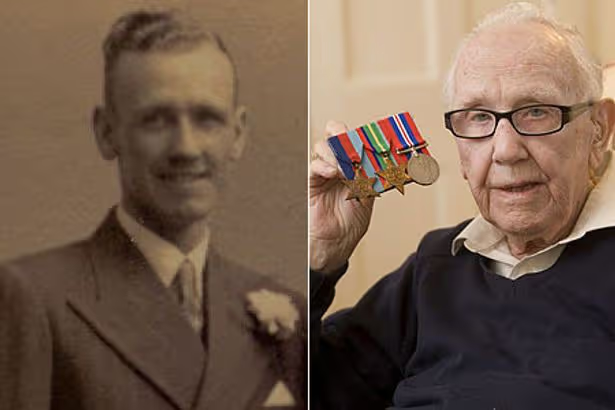
One of my favorite WWII movies is “The Bridge over the River Kwai.” Scottish soldier Alistair Urquhart did not star in the movie, but his life was even more dramatic, at least during wartime. His first amazing feat: surviving seven hundred and fifty days of hard labor on the Burma “Death Railway,” depicted in the movie. He was then placed on a Japanese “hell-ship,” which was torpedoed. He swam through oil slicks for five days, only to be recaptured and sent to a camp outside Nagasaki. He was just ten miles away when Fat Man, the atomic bomb, was dropped on the city on 9 August. “Life is worth living and no matter what it throws at you,” he recalled, “it is important to keep your eyes on the prize of the happiness that will come.” He passed away in 2016, aged 97.
3. Poon Lim.

Poon Lim was a Chinese seaman serving as second mess steward on SS Benlomond, a British cargo ship, when a German U-boat torpedoed it in the Atlantic on 23 November 1942. Lim grabbed a life jacket, dove into the ocean, and then scrambled onto a small wooden raft, just eight feet long. He spent the next 133 days entirely alone, a world record, surviving by catching seabirds, collecting rainwater in a sail, and using wire from a broken flashlight to fish. He also spent many afternoons fending off sharks. “I hope no one will ever have to make that record [of 133 days],” he said. “I am glad to be on land, but I am very proud that I did not let the ocean or the sharks have the final say. A man can live a long time on hope alone.” He emigrated to the US and died in Brooklyn in 1991, aged 72.
4. George Ray Tweed.
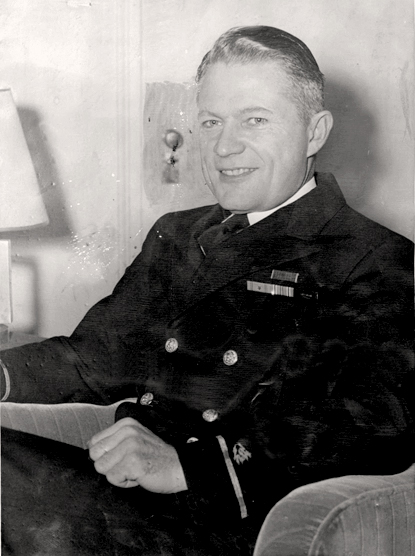
When Japanese forces captured Guam in December 1941, Navy radioman George Ray Tweed fled to the jungle where he spent thirty-one months in hiding. While the Japanese hunted him, he survived on food supplied by locals. He moved between caves and finally used a small mirror to signal an American destroyer and was rescued. “Every day the Japanese didn’t catch me was a small victory,” he recalled. “I figured as long as I was breathing and free, the United States still held a piece of Guam.” He died in a car accident in 1989, aged 86.
5. Alan Magee.
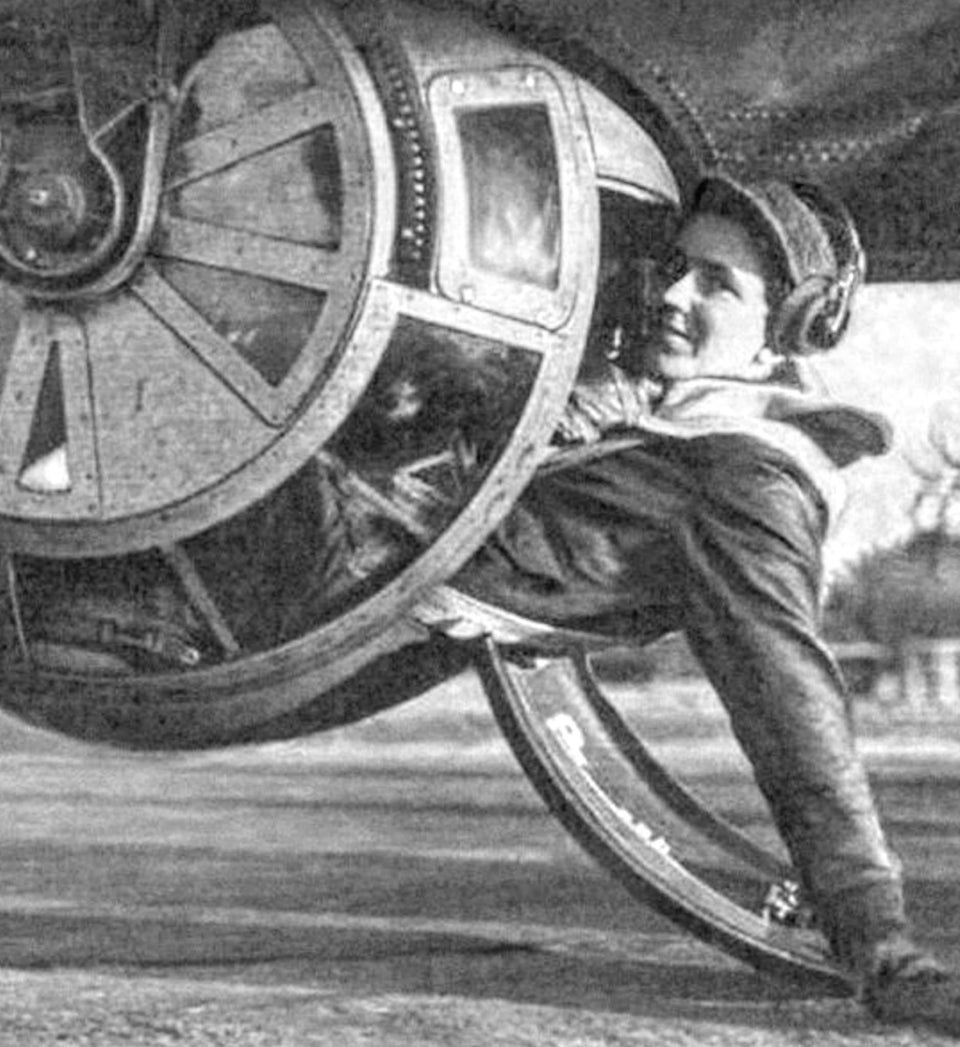
In 1943, American ball turret gunner Alan Magee was trapped inside his B-17 when German bandits blew it apart. He jumped without a parachute from over 20,000 feet, falling four miles and, amazingly, crashing through the glass ceiling of the St. Nazaire train station. He woke on the station floor, surrounded by astonished Germans. “I don't remember any of the fall,” he said. “I lost consciousness. But I remember waking up on the floor of the station and realizing I was still breathing.” He passed away in 2003, aged 84.
6. Tsutomu Yamaguchi.
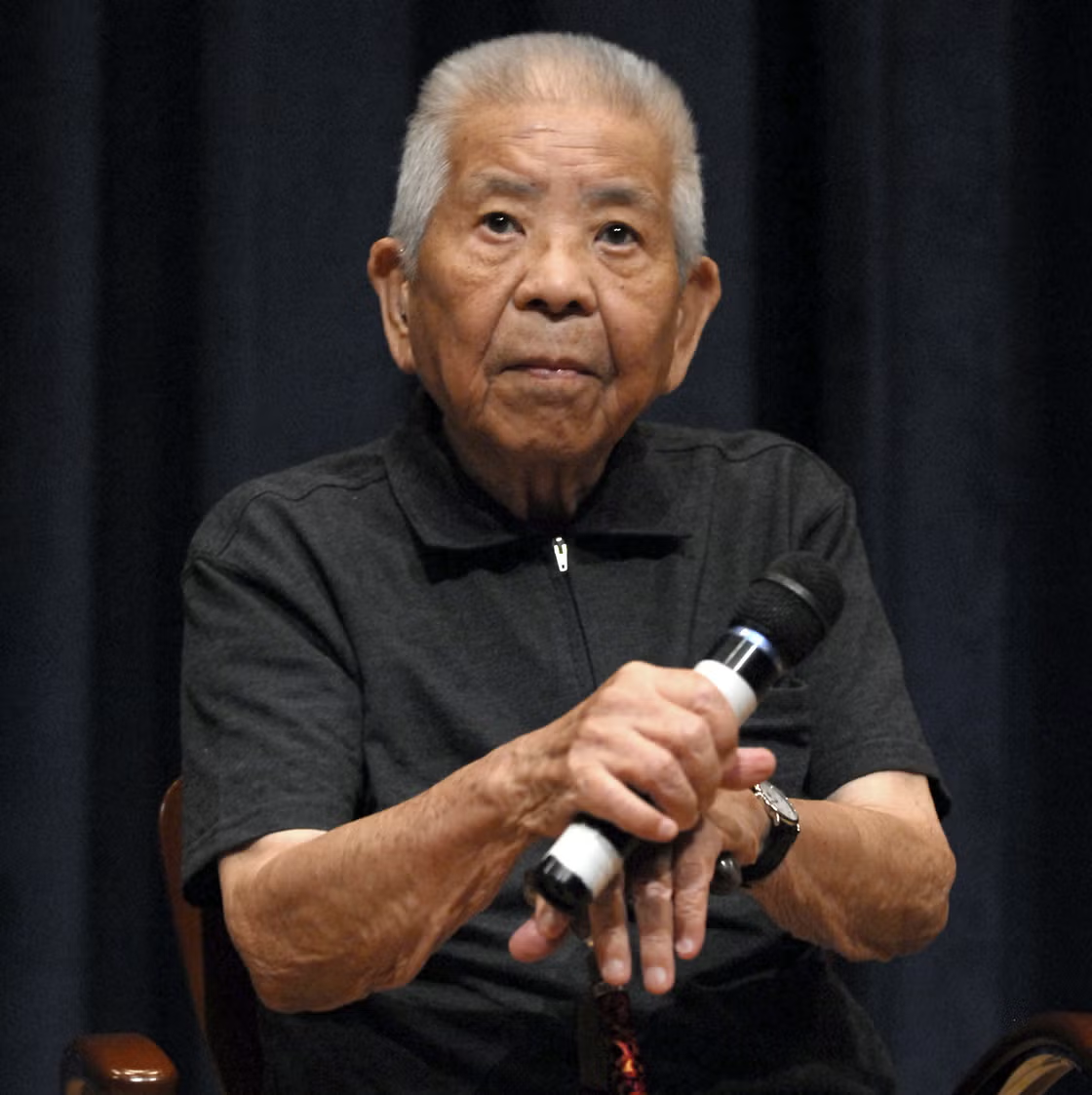
It’s a crazy and tragic distinction to be known for – surviving two nuclear bombs. On August 6, 1945, Yamaguchi was in Hiroshima and was severely burned. The next day, he took a train to his home in Nagasaki. Despite his wounds, he went to work on August 9. He was telling his incredulous boss about the Hiroshima blast when Fat Man exploded. "I thought the mushroom cloud had followed me from Hiroshima,” he remembered. “My boss was telling me I was crazy and that one bomb couldn't destroy a city, and then the flash filled the room. I didn’t even have time to say, “I told you so.” The rest of my life was a gift.” And a long-lasting one – he died in 2010, aged 93.
7. Louis Zamperini.
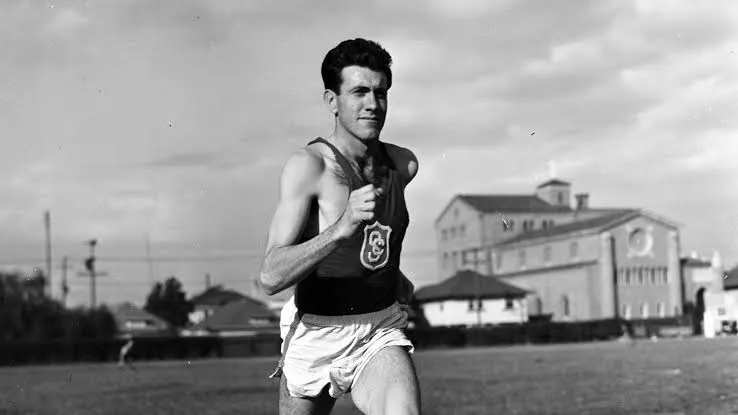
Yes, there’s Laura Hillenbrand’s book Unbroken, which is probably the most-read WWII title of recent decades, and a decent film based on it. He’s probably the most famous American from WWII. But how can one not include the awesome Olympian who survived four POW camps, 47 days adrift at sea, and alcoholism? Zamperini suffered severe PTSD but overcame horror, trauma, and the bottle to find peace and redemption, dying in July 2014 at 97.
8. Ivan Chisov.
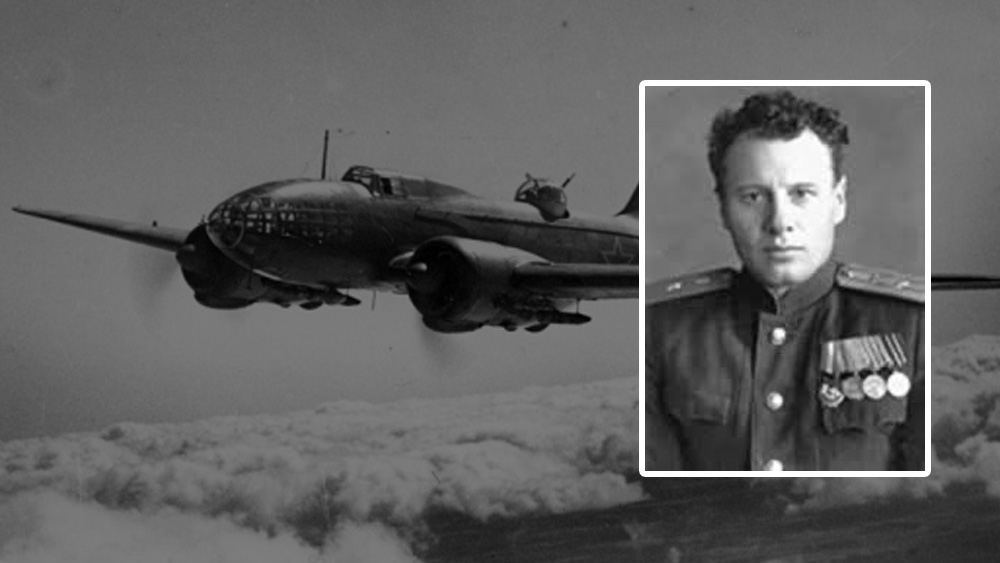
In January 1942, Soviet Air Force navigator Ivan Chisov had to bail out when his bomber was hit. German fighters circled as he fell, and he delayed pulling his ripcord to evade them. He blacked out from lack of oxygen and landed in a snow-covered ravine at over a hundred miles per hour. He survived – the deep snow cushioned his impact. Red Army soldiers found him. His only injury was a fractured pelvis. He died in 1986, aged 70.
9. Nicholas Alkemade.
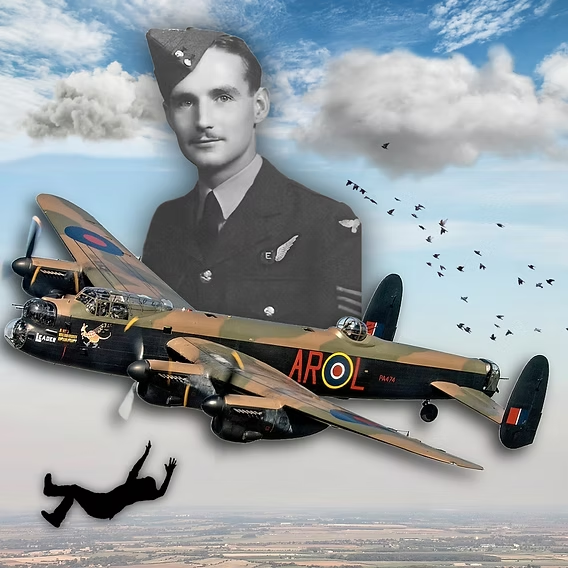
Flight Sergeant Nicholas Alkemade was a rear gunner on a Lancaster bomber when it caught fire over Germany in 1944. His parachute was destroyed, so Alkemade jumped without one from 18,000 feet. Incredibly, his fall was broken by the supple branches of pine trees, and he ended up in a deep snowdrift with minor cuts and a sprained knee. He was captured by the Gestapo, who accused him of being a spy and refused to believe his story until they found the crater in the snow where he’d landed. He later remembered: “I looked at the stars and thought, “Well, this is it. It doesn’t hurt to die...it’s just the waiting that’s a bore.” Then I hit the trees and woke up looking at the sky, wondering why I wasn’t dead yet. It was either stay and burn or jump. I chose to jump.” He passed in 1987, aged 64.
10. Leon Crane.
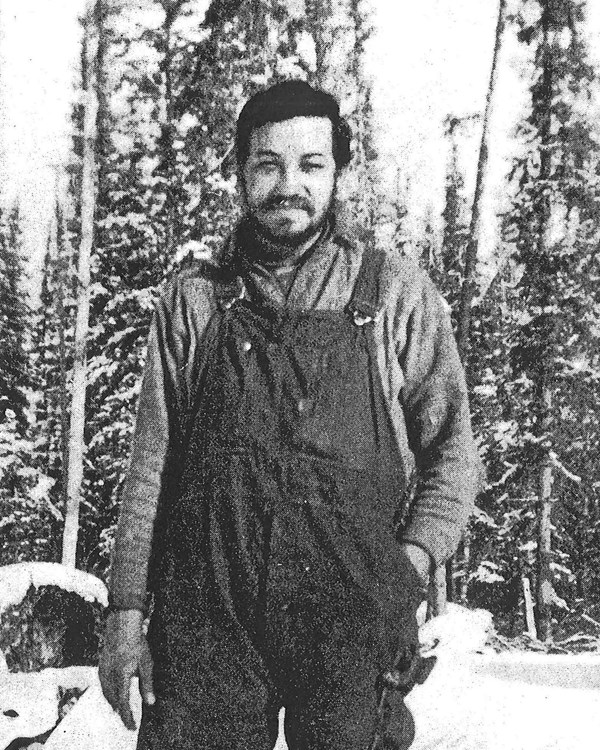
Last but not least, we come to Mr. Crane, a proud Philadelphian. On a routine test flight on December 21, 1943, the B-24 Liberator Crane was copiloting experienced engine failure. Crane and his crew of four crashed into a mountain in Alaska. Crane was the only survivor, thanks to his quick decision to bail out in time. Remarkably, he endured 84 days in the Alaskan wilderness with just a few matches, a Boy Scout knife, and his parachute before finally reaching help at a nearby mining camp. He died in Philadelphia, where he was born, at age 82 in 2002.


