X


1] Ferenc Puskás.
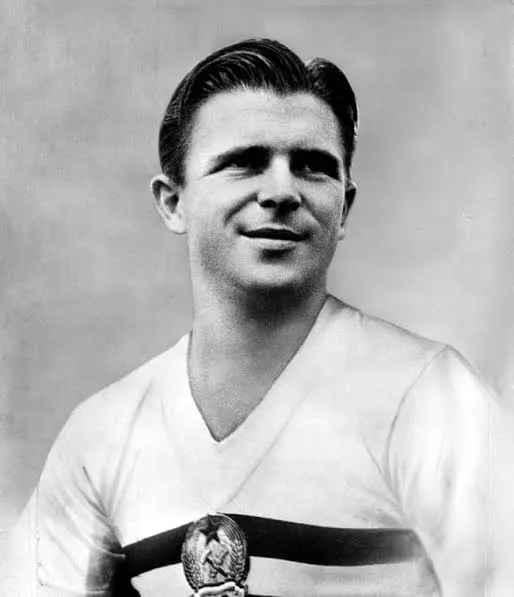
Thank goodness Puskas survived WWII. His Hungarian club, Kispest, was taken over by the Hungarian military, and every player received a rank. Major Puskás, later to be known as “The Galloping Major”, did not see front-line action. He stayed fit, however, and captained Hungary all the way to the 1954 World Cup Final. Puskas was the player of the tournament despite carrying an ankle injury, and Germany beat his team to gain its first World Cup. Puskas scored an incredible 84 goals in 85 international appearances for Hungary and was an absolute legend at Real Madrid.
2. Wilf Mannion.
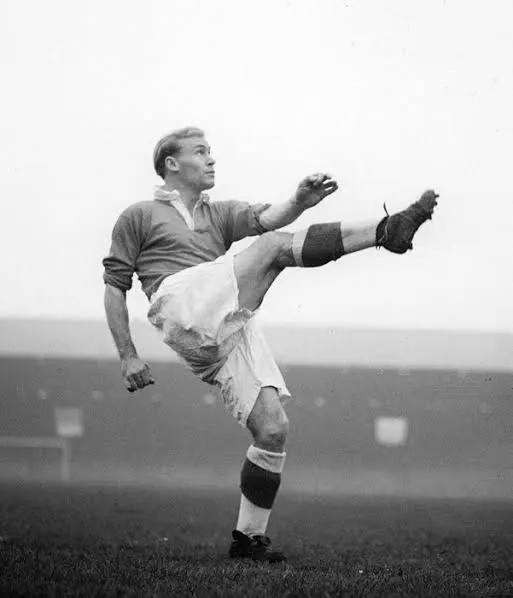
The first World Cup was in 1930, but war meant there was no tournament in 1942 and 1946, which meant a 12-year gap. Englishman Wilf Mannion was conscripted into the British Army in January 1940 and sent to France as part of the British Expeditionary Force. Chaos and defeat followed. A newspaper reported he’d been killed, but in fact, thankfully for English football [“soccer” to Americans], he was brought home during the Dunkirk evacuation. He was sent back into combat in 1943, serving in Sicily and Italy before contracting malaria. He was selected for the 1950 World Cup in Brazil, scoring England’s first-ever World Cup goal in a 2-0 victory over Chile.
3. Joseph Andre Maca.
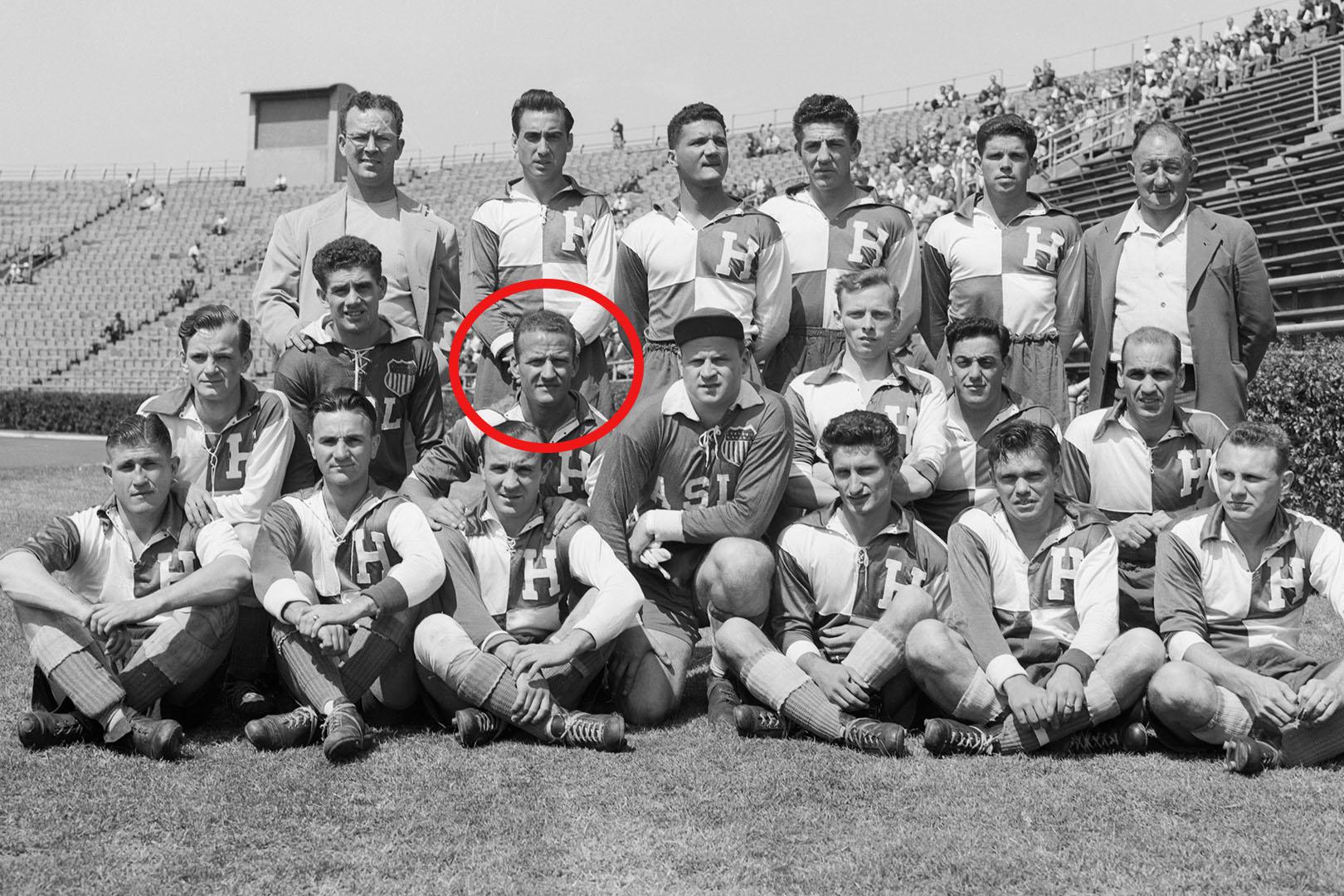
Maca played for a Belgian team before the war, served a year in the Belgian Army, and later earned a medal for his courage in the resistance. He moved to the US after the war and was capped three times for the US at the 1950 World Cup, scoring a penalty against Chile. He was not a US citizen, but under the rules at the time, he was eligible to play, most famously being a part of the team that defeated England 1-0, often called the greatest upset in World Cup history.
4. Bert Trautmann.
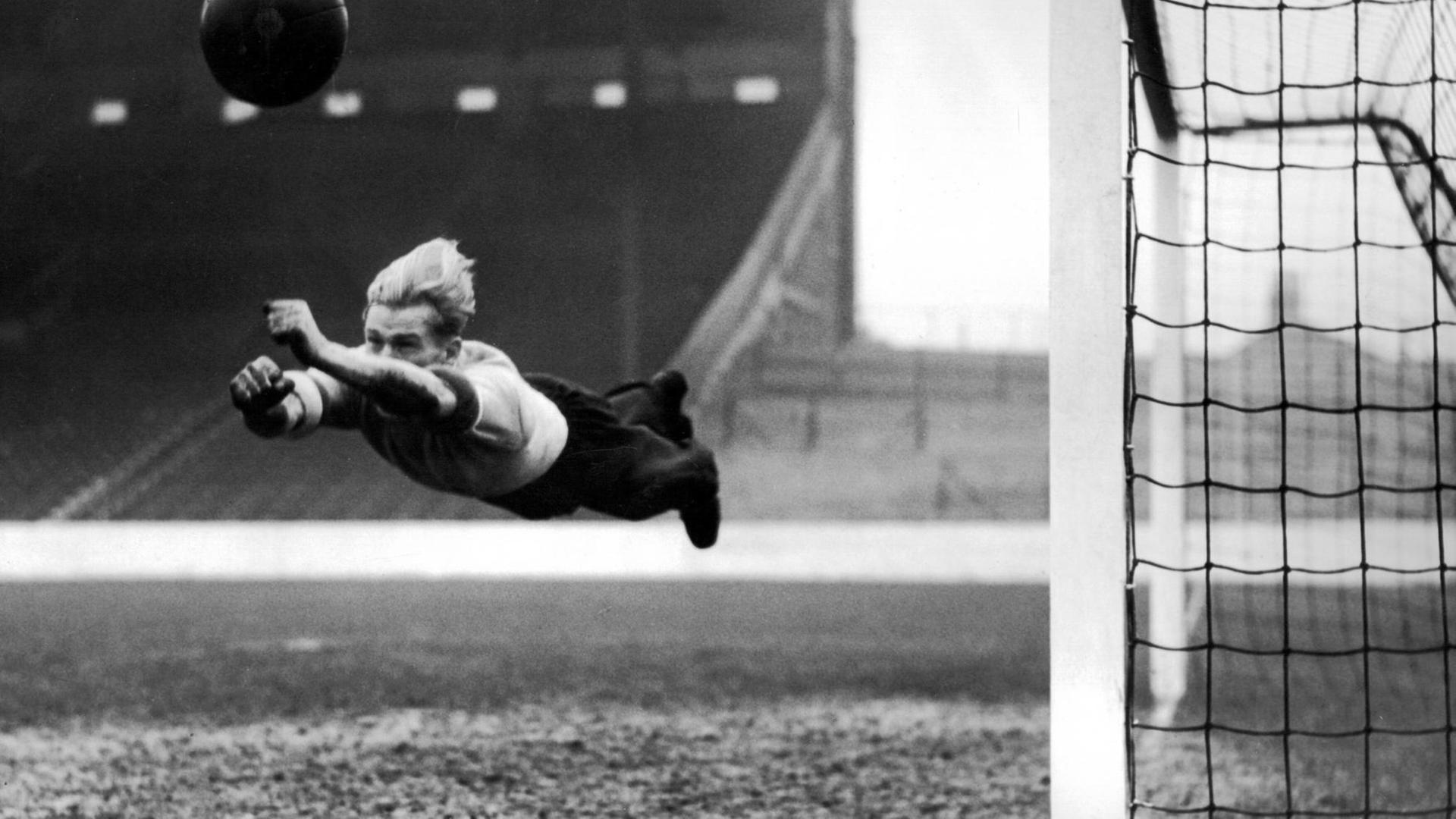
Trautmann served as a paratrooper in the Luftwaffe in 1941 and then spent three years on the Eastern Front, earning the Iron Cross and becoming one of just 90 survivors from his regiment of 1,000 men. Taken prisoner by the British in 1944, he ended up in a POW camp in England. Released in 1948, he opted to stay in England and became a goalkeeper for Manchester City, playing 508 games between 1949 and 1964. Sadly, he did not win World Cup glory with Germany in 1954, but should have. Germany’s national coach insisted on selecting only players who were based in Germany. He remains a beloved figure in England. “My education only began the day I arrived in England,” he recalled. “The people were so kind and decent; they didn’t see me as a prisoner of war, they saw me as a human being. The British made me who I am […] I come back four or five times a year, and I always think, ‘Great, I’m home.’”
5. Joe Mercer.
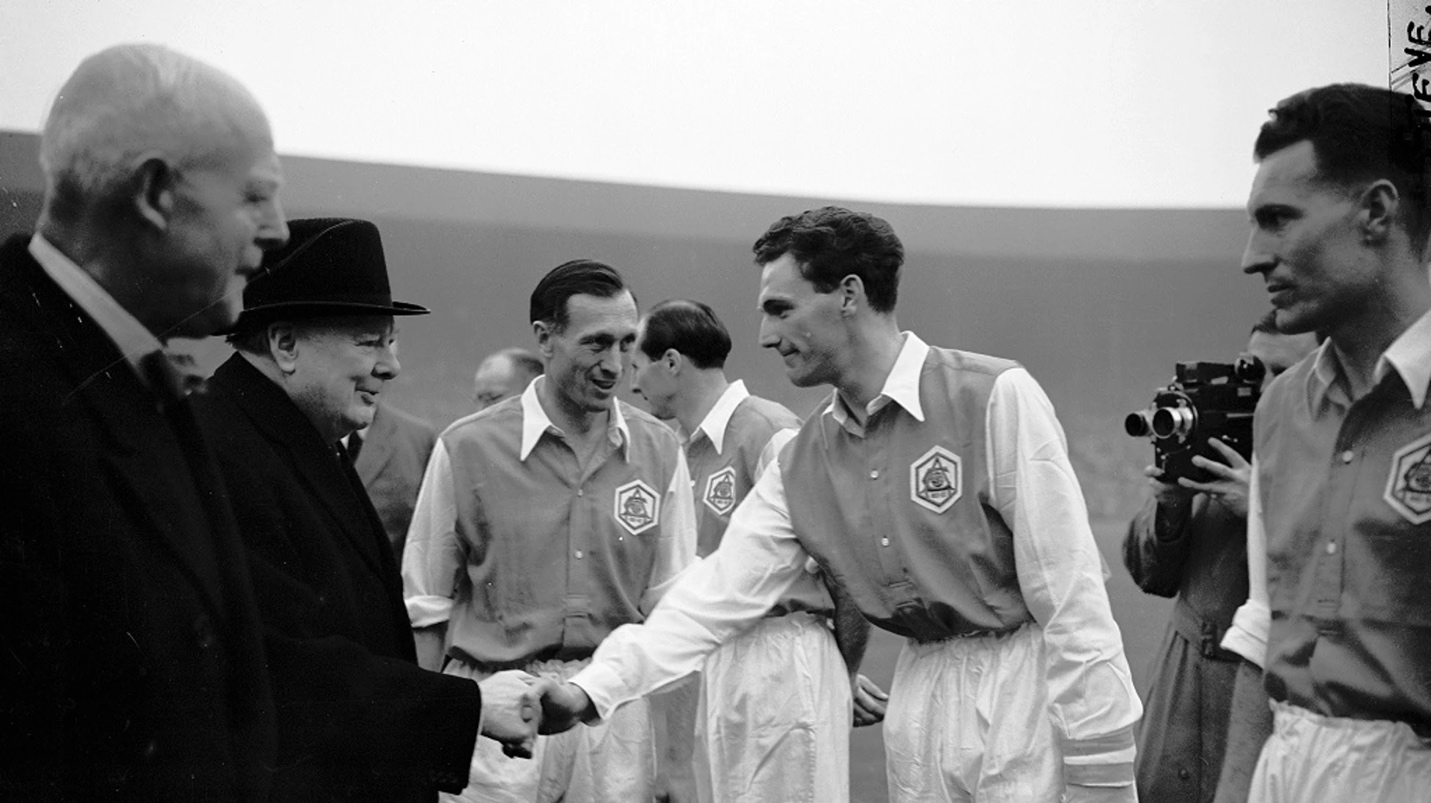
I am an Aston Villa fan, and Mercer managed my club for a while. Mercer was a prodigious talent, and the war occurred when he was at his prime. He spent the war as a Physical Training Instructor (PTI) in the British Army. He maintained the fitness of servicemen while playing in over two dozen unofficial international matches to boost public morale. A nasty leg fracture and his age prevented him from playing for England after the war, but as a superb manager, he helped groom some of the stars who won England the World Cup for the first and only time in 1966.
6. Tom Finney.
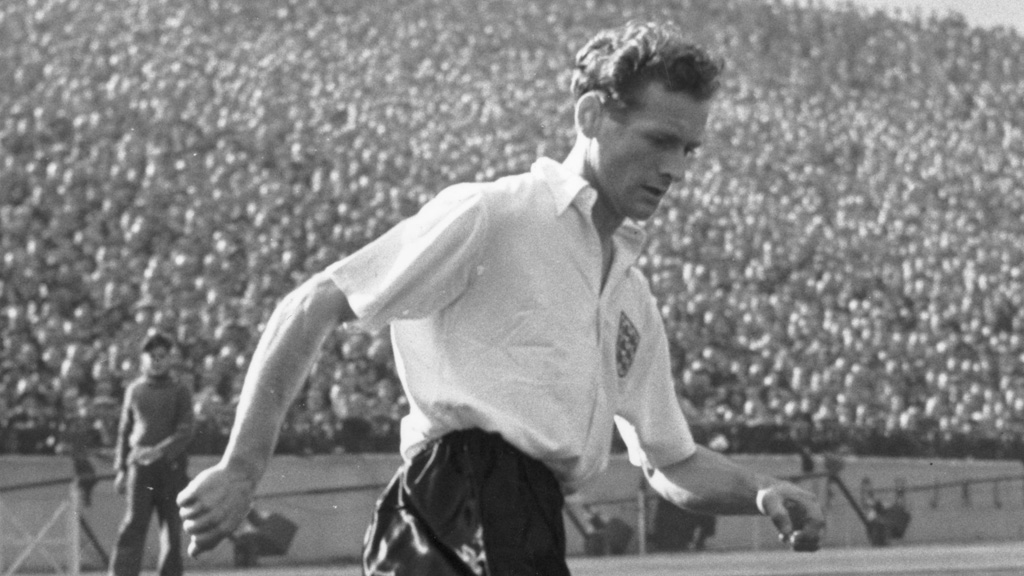
Yes, there is a certain bias here toward England, given my love of football and the fact that I’m British, but no one could call me unfair in lauding Finney, called up to the Royal Armored Corps in 1942. Finney served in the 9th Queen's Royal Lancers, seeing action in North Africa and then as a tank driver in Italy. Thanks to the war, Finney didn't see action on the football pitch for England until he was 24, but then starred in three World Cups, from 1950 to 1958.
7. Stanley Matthews.
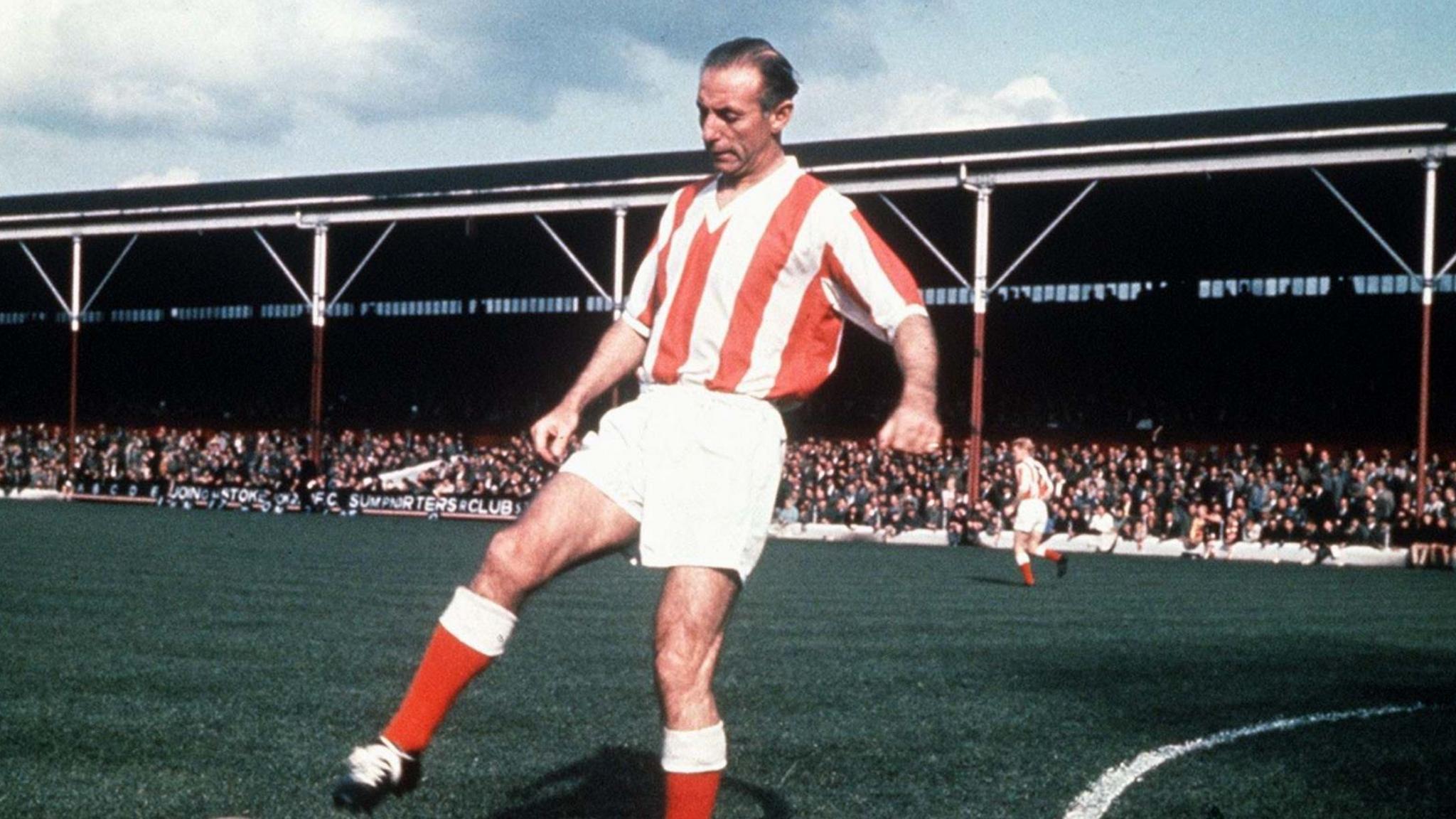
Growing up in Staffordshire in England, I learned about Matthews from awestruck fathers of friends and from my often-brutal gym teachers who idolized this Stoke City legend and would admonish us wannabe footballers with the cruel put-down: “You’re not bloody Stanley Matthews!” A pioneer of longevity in professional sports, Matthews served in the Royal Air Force as a corporal, working as a physical training instructor. He remained in great condition and even started for England at the 1950 and 1954 World Cups. Aged 39, at his second World Cup, he set up two goals – eat your hearts out, Ronaldo and Messi.
8. Billy Wright.
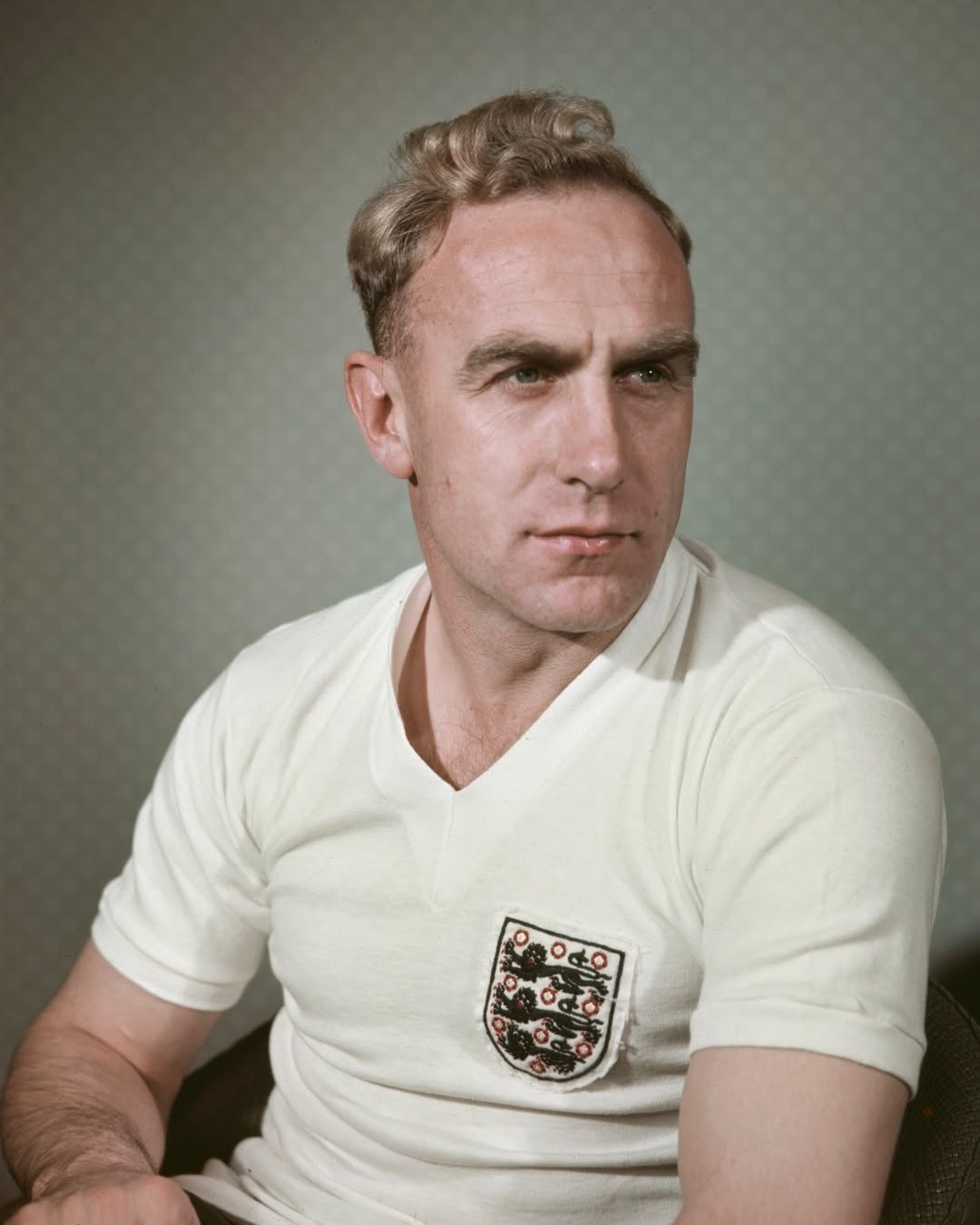
Wright enlisted in the RAF during the war and served as a physical training instructor. Indeed, like Matthews and Finney, he stayed in peak condition and was young enough to enjoy a long and distinguished post-war career, becoming the first footballer in history to notch up 100 international caps, leading the line for England in 1950, 1954, and 1958. He remains the only Englishman to captain his country in three separate World Cups.
9. Alfredo Di Stéfano.
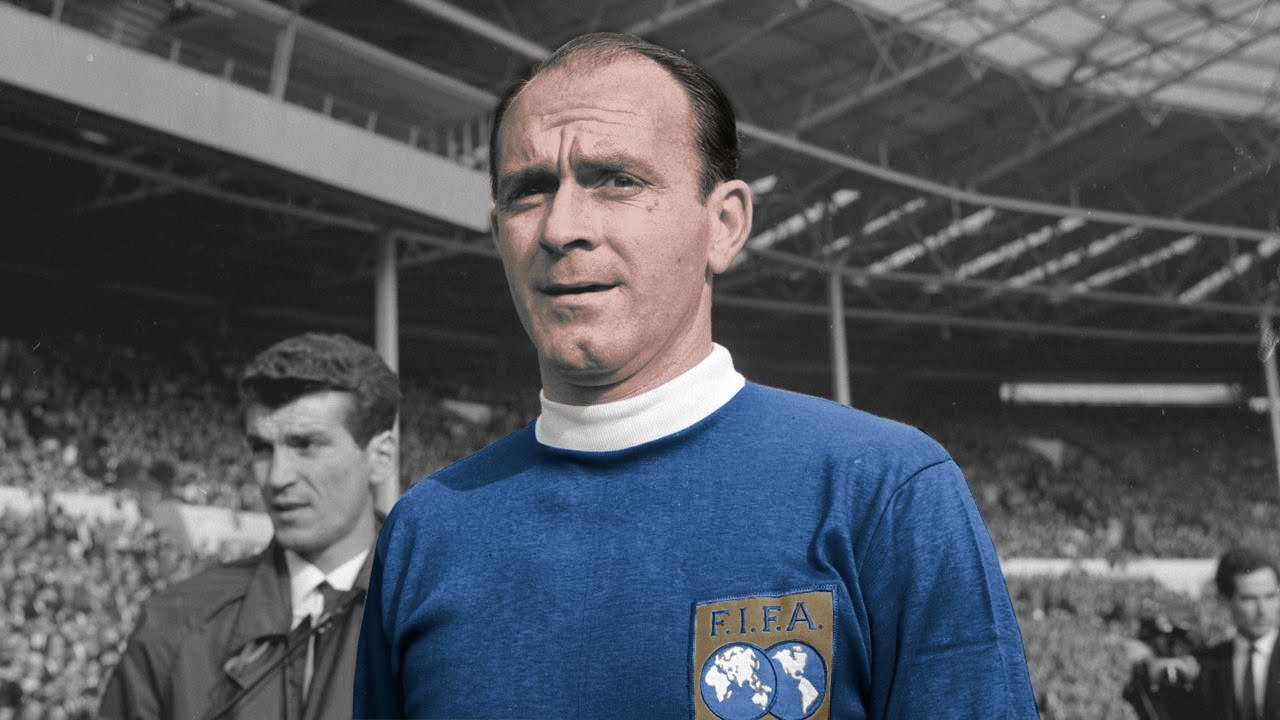
So many years stolen from so many…One wonders what might have been for this genius, often called the greatest player ever, even greater than Messi or Maradona or even Pele, certainly the finest to pull on a shirt for Real Madrid [sorry David Beckham et al]. As an Argentine, Stefano was part of his country’s stellar mid-40s side but did not appear for Argentina in a World Cup game because Argentina boycotted the 1950 and 1954 World Cups. He switched nations, helping Spain qualify for the 1962 World Cup, but a cruel injury prevented him from ever playing in a World Cup game.
10. Raoul Diagne.
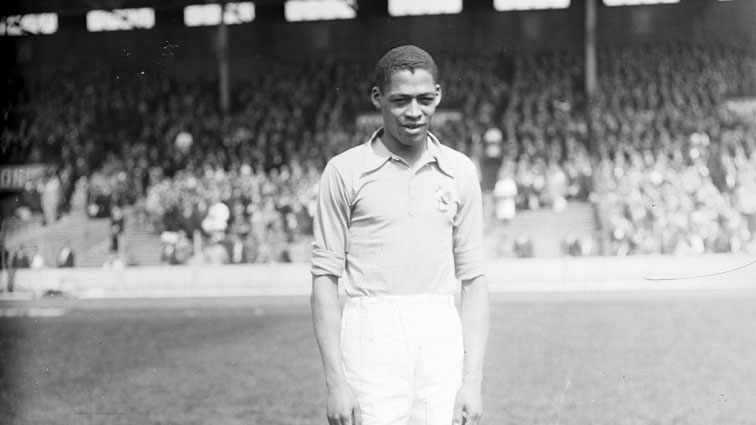
What a story! What a player! Born in French Guiana, Diagne was the first Black player to represent France. When war broke out, he pulled on a different jersey, serving France during the German invasion in 1940. He came to his country’s aid in its hour of need, just as committed to the cause as when he had leaped into the air as a defender at the 1938 World Cup in France. The war ended his international career. But take a look at this World Cup’s favorites – France, a team of superlative players whose ancestors were drawn from French colonies just like Diagne.


