X


By October 1944, the tide had turned against the Japanese in the Pacific. Its navy was on its last legs, and many of its finest pilots were dead. Desperate measures were called for. The most famous was the Tokubetsu Kōgekitai (Special Attack Units), known to this day as the kamikaze.
1. The Meaning of "Divine Wind"
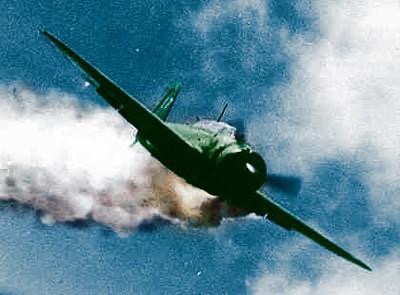
Kamikaze means “divine wind”. It derives from Japanese history – in the 13th century, ferocious storms wrecked Mongol ships heading to invade and spared the country from destruction. A new wind, a human wind, would once again save the empire. One pilot, Captain Masanobu Kuno, explained before his suicidal flight: “Even if I die, you must grow up to be great people and avenge my death... I am going to become a divine wind to strike down our enemies.”
2. The First Sunk Warship
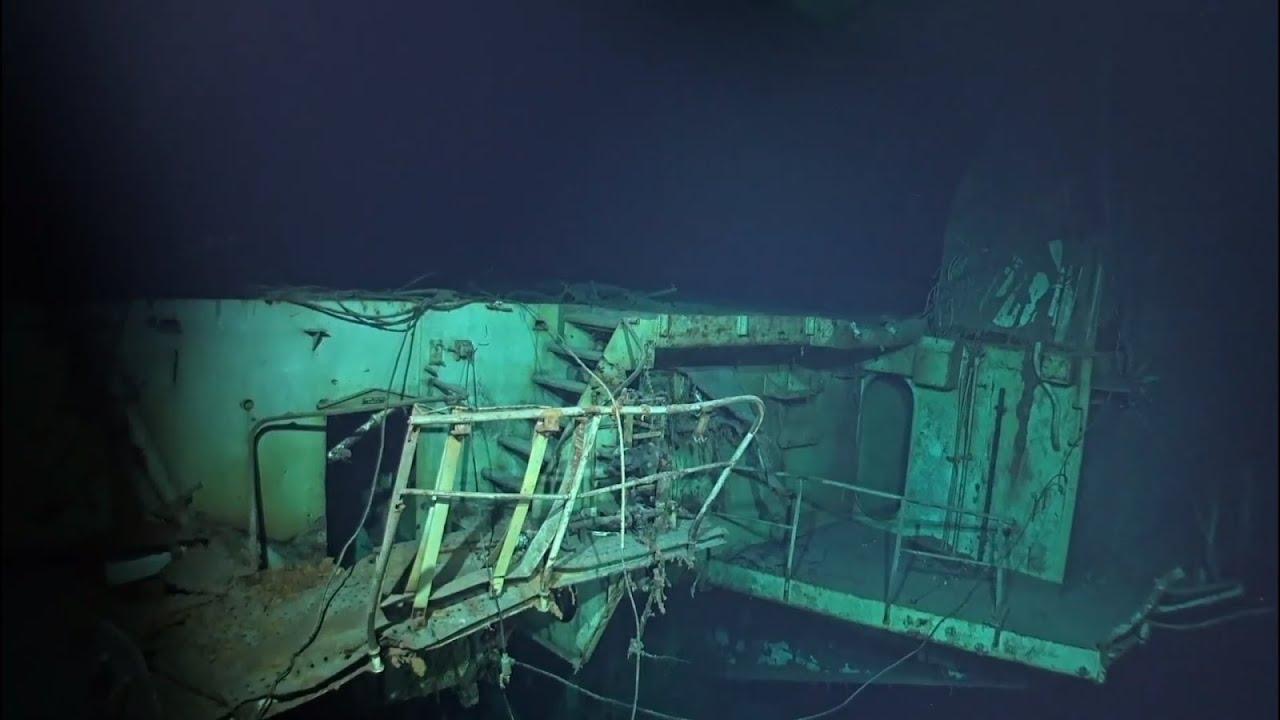
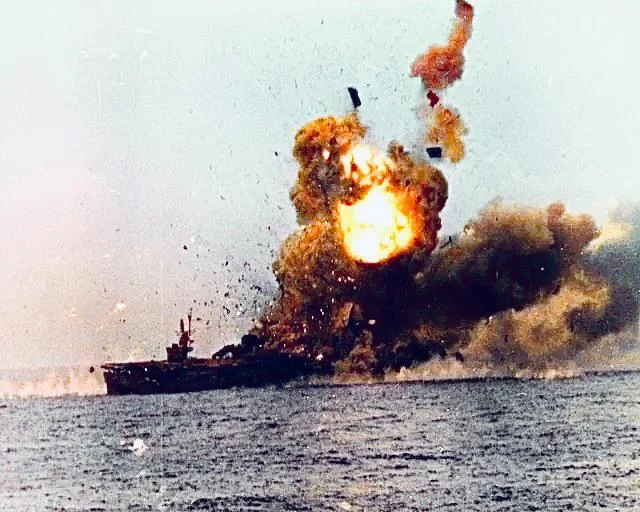
It was 82 years ago this month when the first kamikaze unit saw action in the Battle of the Leyte Gulf in the Philippines – the biggest battle in US naval history. On October 25, five planes struck. The escort carrier USS St. Lo went down in less than 30 minutes. Vice Admiral Takijiro Onishi, in charge of the kamikaze units, had told his pilots: “Japan is in great danger. The salvation of our country is beyond the power of conventional economics and politics. It can only be done by our young men offering their lives.”
3. Strikingly Young Recruits
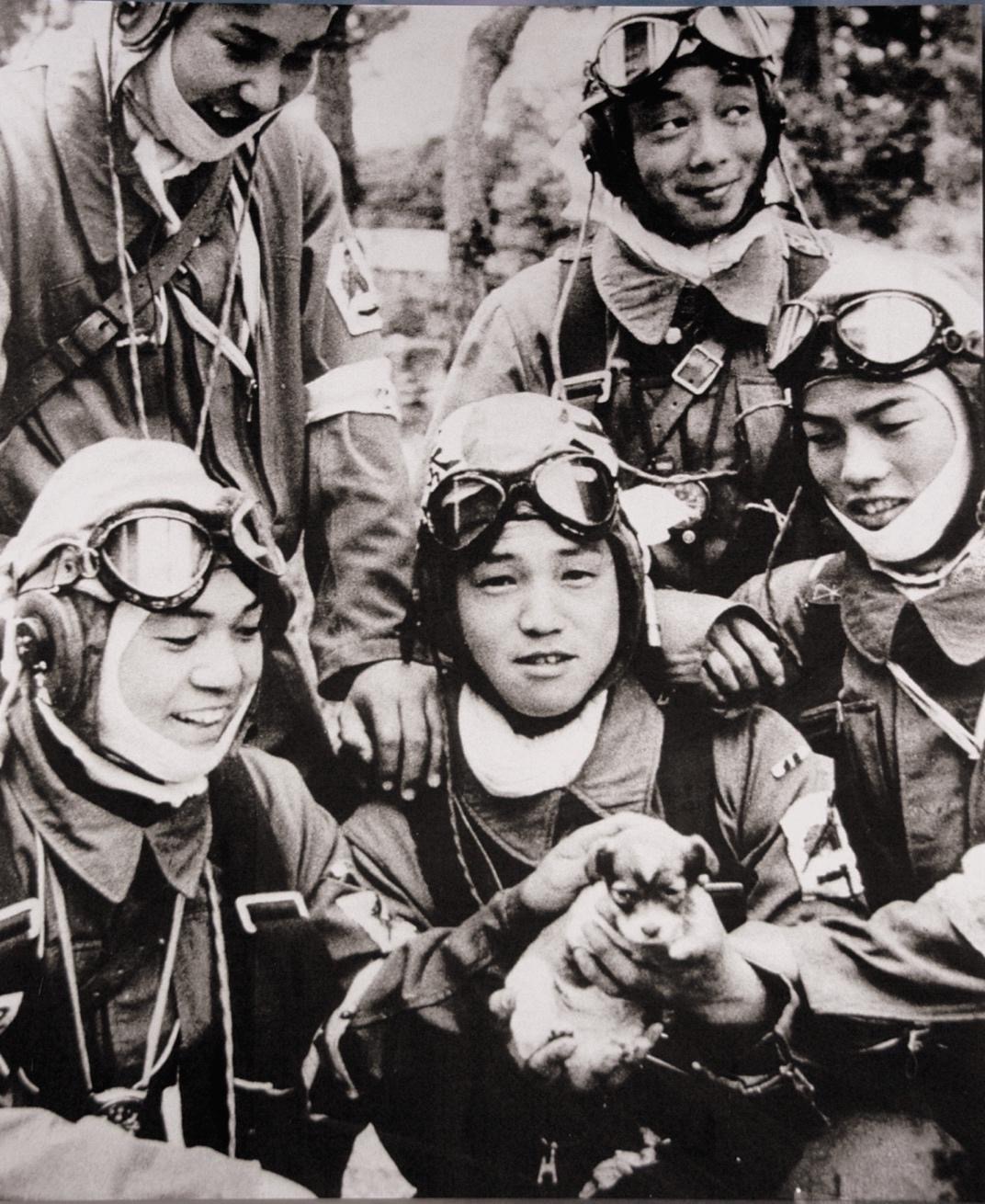
Just as in Nazi Germany, those sent to die were young and often naive. 90% of the kamikaze pilots were younger than 24. One was Army Second Lieutenant Haruo Araki. He explained in a last letter on May 11, 1945: “Tomorrow I will dive my plane into an enemy ship... When I think of your future, and the long life ahead, it tears at my heart. Please remain steadfast and live happily.” Another pilot, only 22, Ensign Kiyoshi Ogawa, who died crashing into the USS Bunker Hill, told his parents: “I will drop down on an enemy ship to prove my loyalty... Do not weep for me. I am grateful for the chance to die for our nation.”
4. Barely Enough Training to Fly
Why waste time and resources in teaching kamikaze pilots how to fly? They weren’t supposed to come back. Pilots received just enough training to be able to take off and fly into a target. One training officer stated: “They do not need to know how to bring a plane down safely. They only need to know how to aim it at a target.”
5. Drugged for the Final Flight
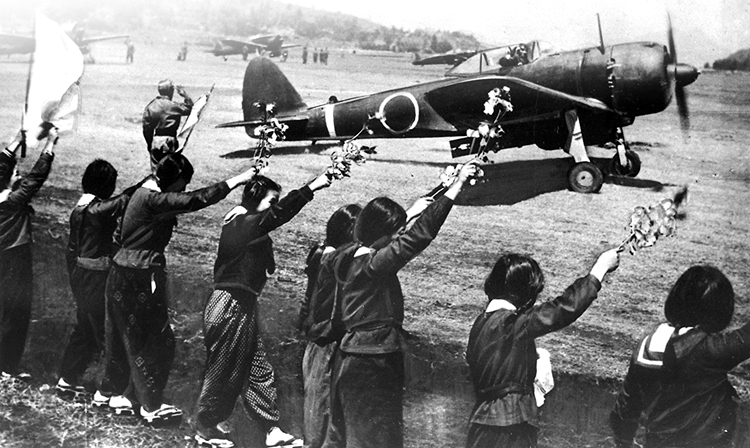
Many pilots needed to be drugged to commit suicide. Before take-off, they were dosed up on Philopon, a type of methamphetamine. One pilot who survived remembered the horrific strain. He had been told to be “resolved that honor is heavier than the mountains and death lighter than a feather... But in our hearts, we knew life alone is sacred.”
6. A Very Low Success Rate
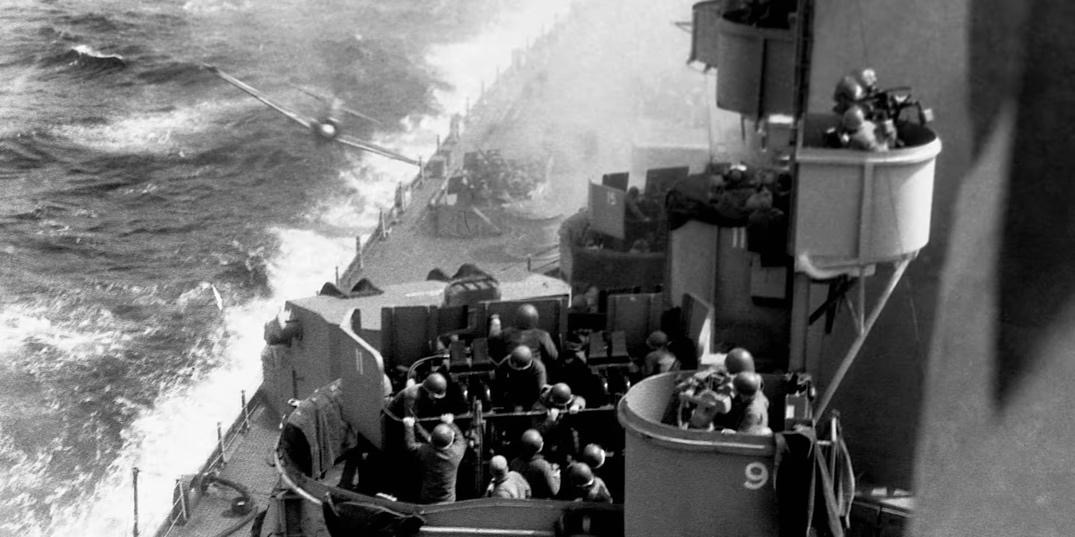
For every kamikaze pilot lost, an estimated 1.7 Allied navy personnel died, a highly effective tactical strike rate if one ignores the fact that sooner or later the Japanese would lose the war and eventually they would run out of planes and pilots. The kamikazes succeeded above all in sowing panic and terror. Less than 20% of kamikaze flights hit their targets, but they created a living nightmare. Gunner’s Mate Third Class James Faulkner recalled: “They came out of the clouds like bats out of hell. We threw everything we had at them. You could see the pilot’s face sometimes, just fixed on us. It was a race to see if we could tear his wings off before he hit the deck.”
7. The Total Cost of Life
The cost seemed pitifully small compared to the mass Japanese deaths on Iwo Jima and Okinawa. Some 3,800 to 4,000 Japanese pilots died. They sank more than thirty Allied ships. Some 7000 Allied personnel were killed. Vice Admiral Charles R. Brown recalled: “We watched each plunging kamikaze with the detached horror of one witnessing a terrible spectacle rather than as the intended victim. We forgot self for the moment as we groped hopelessly for the thought of that other man up there.”
8. Forced into the Cockpit
Japanese propaganda made it look as if there were legions of young men dying to die. In fact, some pilots were shamed into signing up and risked being beaten up by peers. And what if you couldn’t hit the target because of engine failure and had to turn back? One pilot, Corporal Tomoji Sasaki, returned nine times after dropping bombs and somehow avoided execution, living to the age of 92. Lieutenant Yukio Seki, who led the first kamikaze strike in October 1944, told a reporter: “Japan’s future is bleak if it is forced to kill one of its best pilots... I am not going on this mission for the Emperor or for the Empire... I am going because I was ordered to.”
9. Final Farewell Rituals
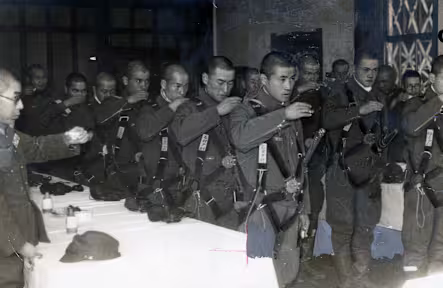
In their final moments on the ground, pilots took part in a last ceremony. They took a last sip of water or sake. They wrapped white cloths, hachimaki, around their heads. They left locks of hair or pieces of fingernail and toenail in boxes for their parents to bury. 22-year-old Corporal Torao Kato wrote a final letter to his siblings, urging them to take care of their mother and vowing to “become a shield” and hit his target.
10. Boats, Torpedoes, and Rockets
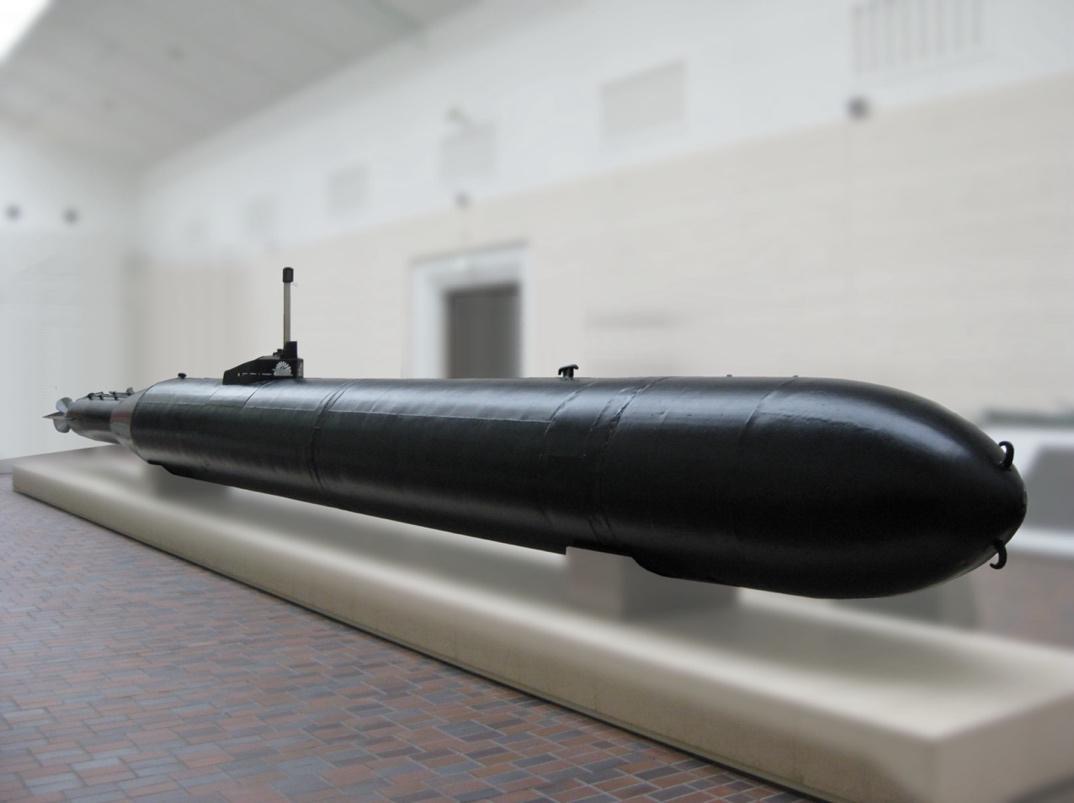
State-sanctioned suicide went beyond pilots. There was the Ohka, a rocket-powered glider loaded with explosives. Then there was Kaiten, a torpedo that locked its pilot inside, and even explosive motorboats. The manual for Kaiten torpedo pilots instructed: “When you enter the weapon, you leave the world behind. There is no door to go backward, only the target ahead.”
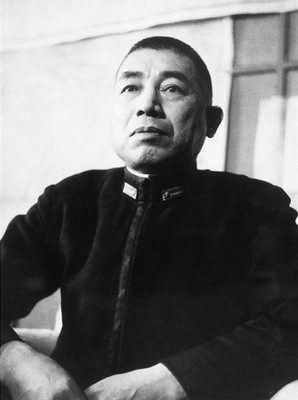
In August 1945, the man behind the kamikaze units, Vice Admiral Takijiro Onishi, killed himself. He left a note to the families of his dead pilots: “In death I wish to apologize to these brave men and their families... I urge the young people of Japan to work for world peace.”


