X


The question is often asked: How did the Allies win WWII? Books have been devoted to this question. I thought I’d take a different approach and wonder what kept the Allies from losing. It’s November, and by coincidence, this month in 1942 saw the Allies, arguably, come as close as they ever did to defeat. On every front, things looked grim indeed. The Red Army had its back to a freezing river in Stalingrad. US Marines had entered the hell of Guadalcanal. In the Atlantic Ocean, U-boats were wreaking havoc, sinking so many ships that Churchill could not sleep. So what kept the Allies from losing? Here are ten reasons:
1. Safe factories
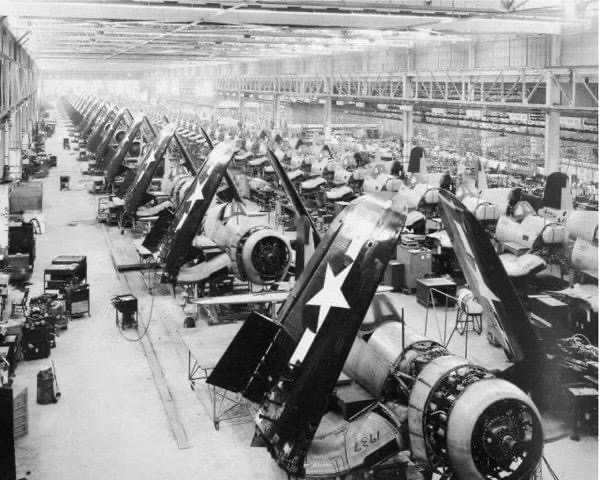
The Luftwaffe’s bombers caused great damage, but the most important production lines were safe between two oceans in the US. A wondrous alliance between government and private industry, along with the mobilization of millions of women, enabled a miracle – vast numbers of tanks, ships, planes, and other vital materiel. In 1942, the US was a safe home base, allowing the Allies to replace relatively inferior weapons quickly and in ever-increasing volume. “To bring about the defeat of Germany,” General George C. Marshall maintained, “we must produce weapons in numbers that will overwhelm them.” The US did so, building a 441-foot-long Liberty ship in less than 5 days.
2. A partnership built on survival
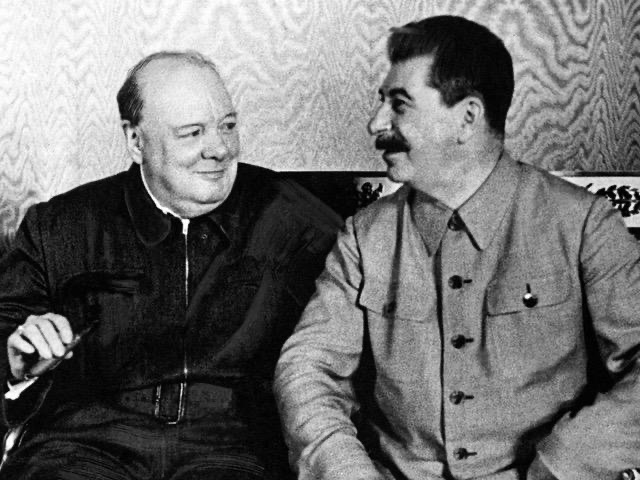
Stalin and Churchill had precious little in common. Yet the Allies remained surprisingly effective partners to the bitter end. In November 1942, Stalin raged that the US and Britain were bogged down in a sideshow – North Africa. When would they open a second front in France? Rosie the Riveter and Wendy the Welder came to the rescue, and thousands of trucks and much else were shipped to the Soviet Union, keeping the Red Army in the fight. “The absence of a second front in Europe against the Germans greatly eases the position of the German army,” said Stalin. That was true. But then he added: “The Red Army is fighting absolutely single-handed without any military help from outside.” That was - as his tank-drivers, truckers and pilots could have told him if they dared - not the case.
3. Big groups and the math of shipping
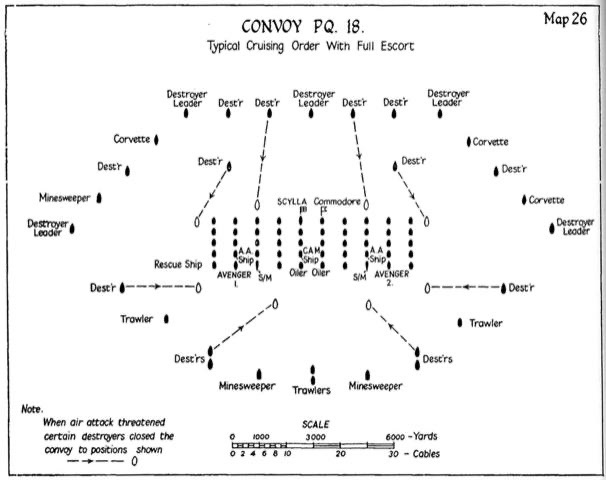
The longest battle of WWII was fought in the Atlantic, lasting from September 3, 1939, to May 8, 1945. In November 1942, U-boats were still on the rampage, but the Allies were getting smarter. Larger escort groups, better air cover, and direction-finding began to stem the bleeding. Within six months, the tide would turn, leading to an astonishing 75% fatality rate among U-boat crews. Britain, that utterly essential launch pad for liberation, did not starve, but it was a close-run thing. As Churchill recalled: “The only thing that ever really frightened me during the war was the U-boat peril.”
4. Giant buffers of land
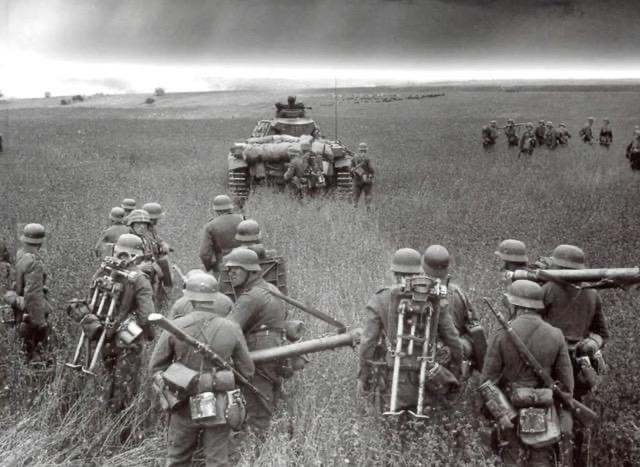
The US and the Soviet Union were vast countries. It’s hard to imagine panzers rolling from sea to shining sea through the Rockies. The Wehrmacht soon learned that crossing the Steppe was like marching from the Mississippi to California – a hell of a trek. By mid-November, the Germans had advanced deep into freezing Mother Russia. But the epic spaces engulfed Hitler’s legions, stretching supply lines so thin that they could not sustain the Wehrmacht. “The vastness of Russia devours us,” grumbled German Field Marshal Gerd von Rundstedt. And then came Stalingrad.
5. Learning from early mistakes
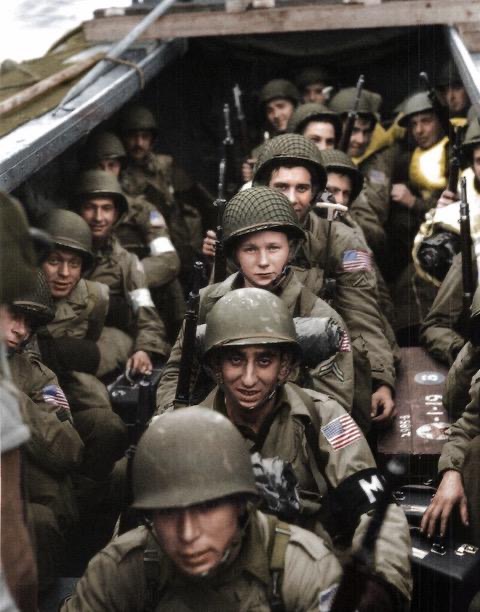
On November 8, 1942, Allied troops landed on the beaches of North Africa. Operation Torch was the largest amphibious operation to that date and marked the first time Americans saw action in the Mediterranean Theater. Green troops, all neophytes in combat, struggled in places but adapted. The command structure allowed officers on the beaches and inland to adjust and improvise. “Plans are worthless, but planning is everything,” said Eisenhower. Then came the bloody fiasco at Kasserine Pass. Yet US forces adapted again.
6. Enemies who worked alone
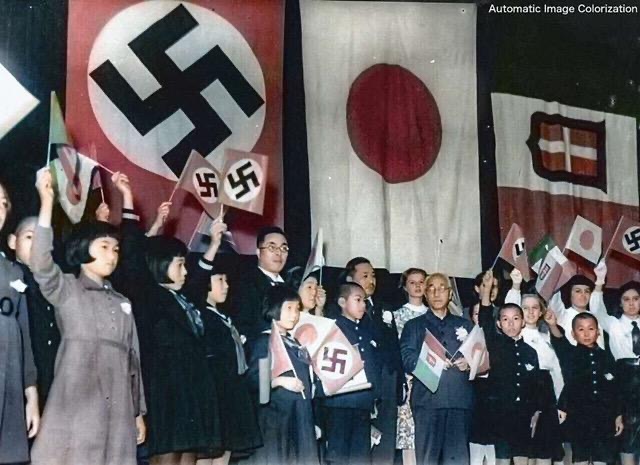
Keep your friends close when you are fighting to the death. Germans and Japanese fought on opposite sides of the globe and did not collaborate meaningfully. That allowed the Allies to fight separate wars. As German General Alfred Jodl said: “We have no joint strategy with the Japanese. They do what they want, and we do what we want.” That was never the case with the Allies. To win, Churchill and Roosevelt had to keep Stalin in the game. Three-quarters of the German troops who died in WWII did so on the Eastern Front. By consulting with and supporting Stalin, the Western democracies enabled the Red Army to bleed the Nazis dry.
7. Controlling the world’s gas
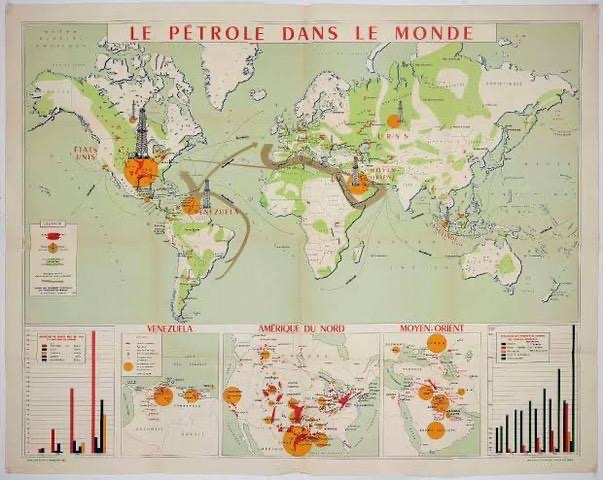
It’s always about oil. Thankfully, the Allies controlled most of the world’s major oil fields. The Japanese went to war with the US in large part to secure independent supplies to fuel its empire. They needed the black stuff to prevail. Neither the Germans nor the Japanese had enough. In November 1942, the Germans ran out of fuel in North Africa, leading to the first major British victory of the war. As Field Marshal Erwin Rommel said: “My operations are restricted by the acute shortage of fuel. We are living from hand to mouth.” Many a German tank commander would echo those words before the end.
8. Moving factories on trains.
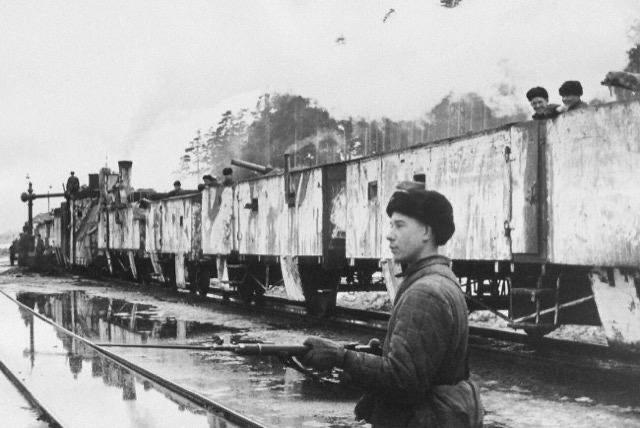
On November 19, 1942, the Red Army launched a massive surprise attack that trapped an entire German army at Stalingrad. How was this possible? The Soviets dismantled factories and moved them out of range. As one Soviet slogan declared: “Everything for the front! Everything for victory!” In the West, we often romanticize the supposed unity of the home-front millions, the plucky Londoners of the Blitz, and the cheerful, head-scarved munitions workers who’d escaped the kitchen to earn a living wage. In Stalin’s Russia, pulling together as never before was the only route to survival.
9. Sinking the enemy’s supplies.
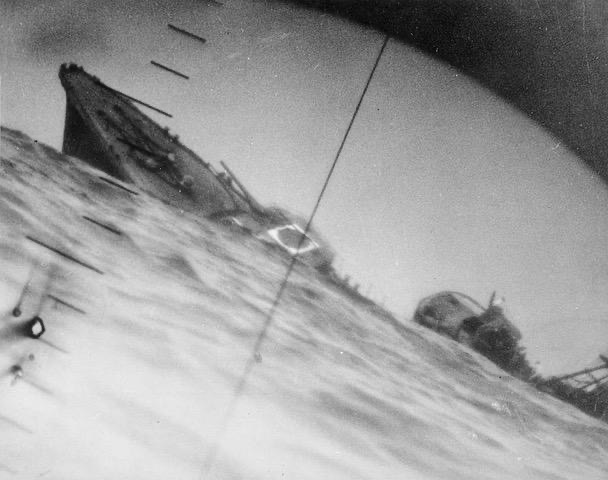
The problem with dictators is that they are not held accountable. They suppress dissent, operate in echo chambers, and therefore make basic mistakes. Japan built battleships but forgot to build a fleet of smaller warships to escort convoys carrying oil and food. By late 1942, the US “Silent Service” – American submarines – were waging an increasingly effective war, slowly but surely cutting off Japan’s factories from the raw materials needed to continue the war. “Our shipping losses are disastrous,” recalled Japanese Admiral Osami Nagano. “We cannot sustain our industry without the southern resources.” There has always been an argument that the atomic bombs were unnecessary because the US Navy would have sooner or later blockaded Japan into defeat. Certainly, by this month in 1944, the US submarine force had effectively won the undersea war.
10. Democracy is better.
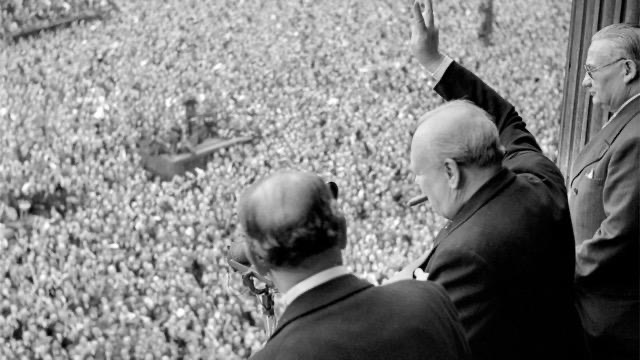
This may be a naïve assertion, a liberal daydream, but it’s worth pondering. For the populations of the Western democracies, democracy was their superpower. As so many strongmen have discovered, a willing populace fighting for basic dignity and self-determination is a force to be reckoned with. Humanity is hard to defeat in the long run. The atrocities committed by the Japanese and Germans alienated the peoples of the lands they pillaged and subjugated. The vast destruction and murder fueled resistance and terrible retribution. People who have tasted freedom, who have enjoyed independence, will sacrifice everything to savor it again.


