X


The last Christmas Eve of WWII was marked by high drama, extreme tragedy, and surprising humanity.
Total war raged in the skies above the Ardennes, where the Battle of the Bulge, the deadliest campaign for the US during the war, was entering its second week of carnage. V-2 rockets flew toward the British city of Manchester, and a German torpedo churned beneath the waves of the English Channel toward a troopship carrying hundreds of Americans. And in a small cabin in Germany, an extraordinary, heartwarming encounter between sworn enemies took place.
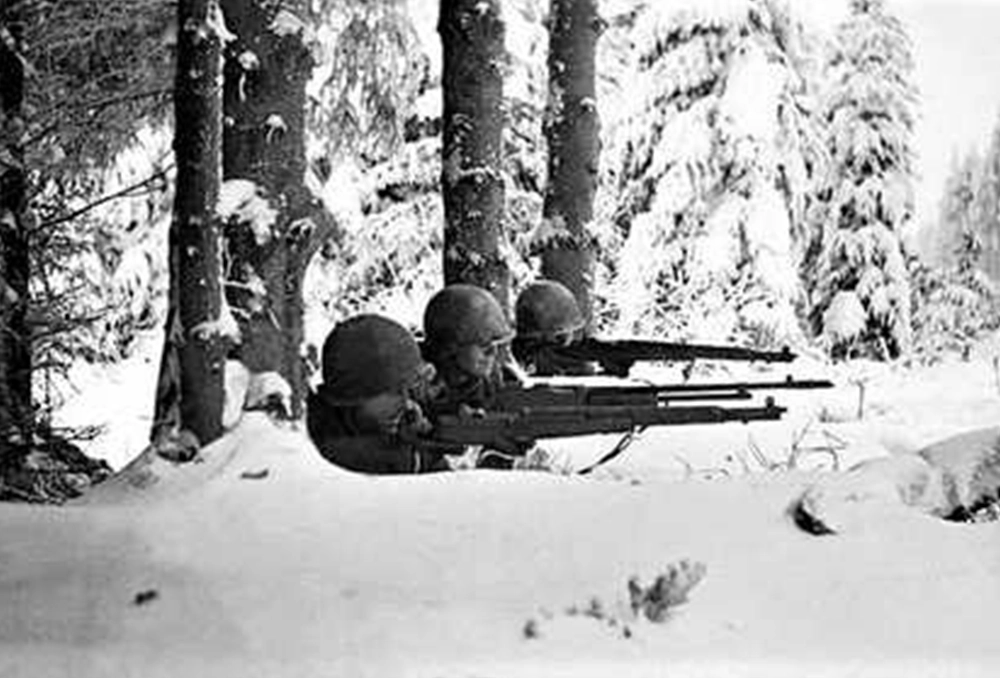
The sound, filling the clear blue skies, was terrifying for Germans and awesome to Americans fighting for their lives, praying for salvation in foxholes in Bastogne and across the Ardennes. Red-eyed GIs looked up and thanked the Lord, believing their prayers had been answered – the skies had finally cleared, and for the first time during the Battle of the Bulge, the Allied Air Forces were able to take to the air.
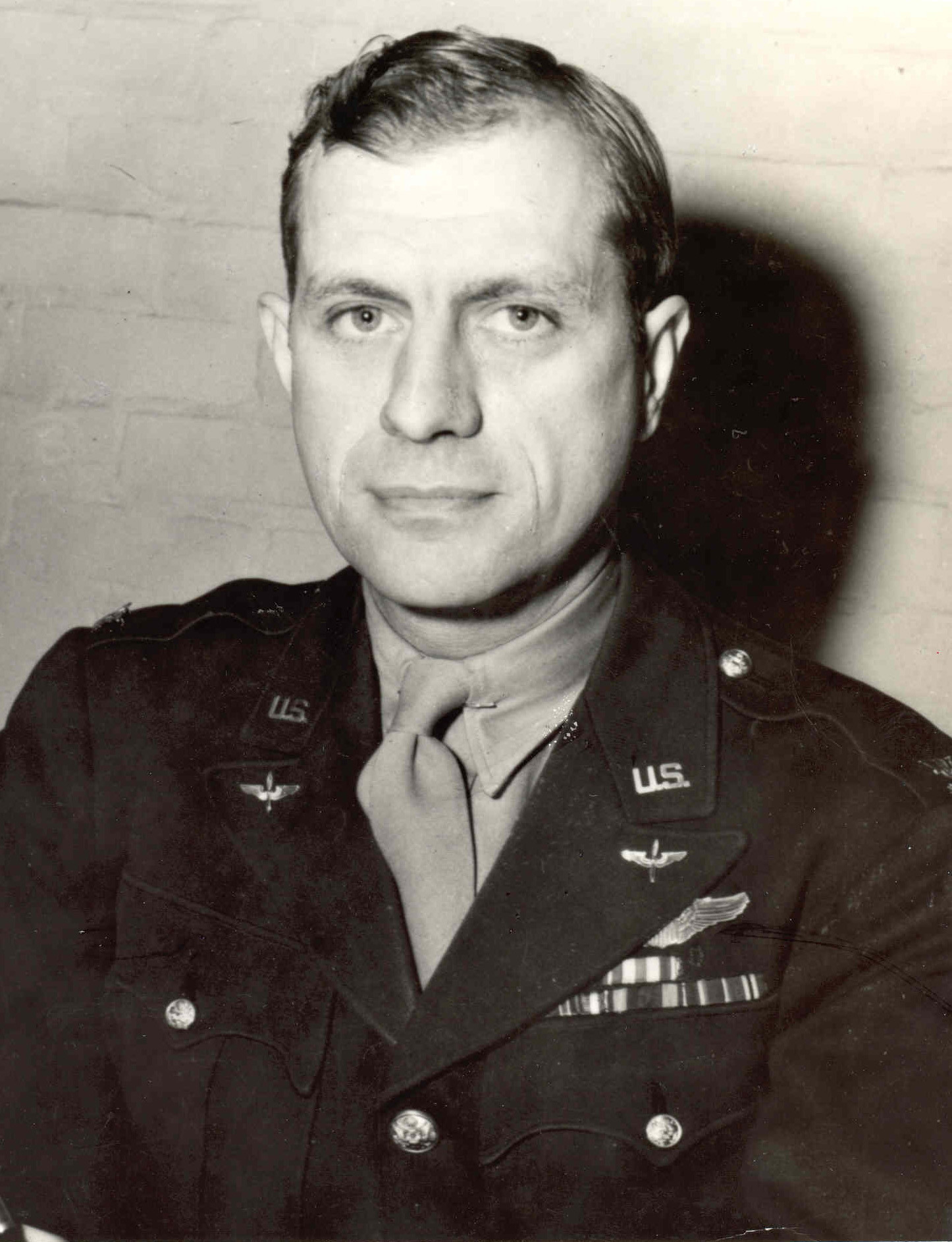
On 24 December 1944, the US Eighth Air Force launched its largest mission of the war, with 2,034 heavy bombers and 863 fighters, plus 500 RAF bombers, striking German targets in the Ardennes. One of the American pilots was Brig. Gen. Frederick Castle, commander of the US 4th Combat Bombardment Wing. His B-17 was badly hit, but he stayed at the controls, buying time for his crew to bail out. He flew on, and the plane crashed, killing him. He earned the Medal of Honor for his supreme sacrifice.
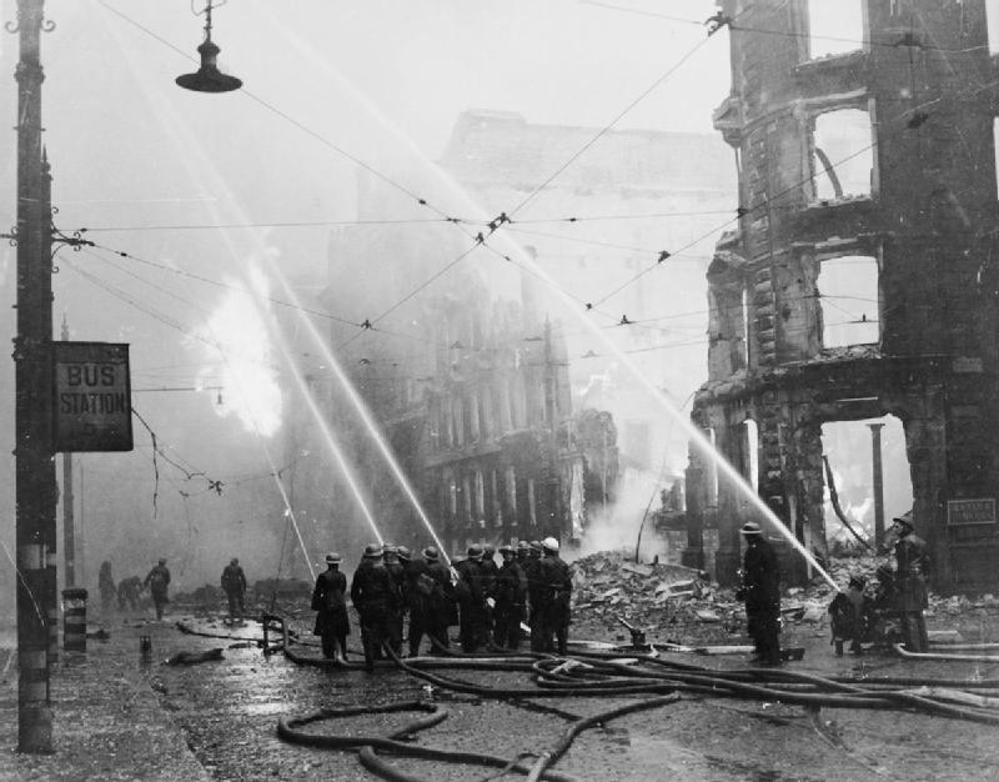
In the skies above Manchester, England, V-2 rockets flew at more than 3,500 feet per second, each carrying a one-ton warhead, toward their targets. In all, 37 civilians lost their lives as fifteen of the world’s first long-range ballistic missiles, the Vengeance Weapon Two, as the Germans called it, exploded, wreaking massive damage and terrifying an entire city. Churchill’s grim prediction back in 1940 that the world would fall into “the abyss of a new dark age made more sinister, and perhaps more prolonged, by the lights of a perverted science” had come true.
At sea that day, five miles from the port of Cherbourg, the suffering was just as incalculable. The SS Léopoldville, a passenger liner converted into a troopship, was sailing from Southampton to Cherbourg. Suddenly, just before six that evening, a torpedo fired by a U-boat struck the Léopoldville. In the ensuing confusion and panic, the crew abandoned ship, leaving their passengers to fend for themselves.
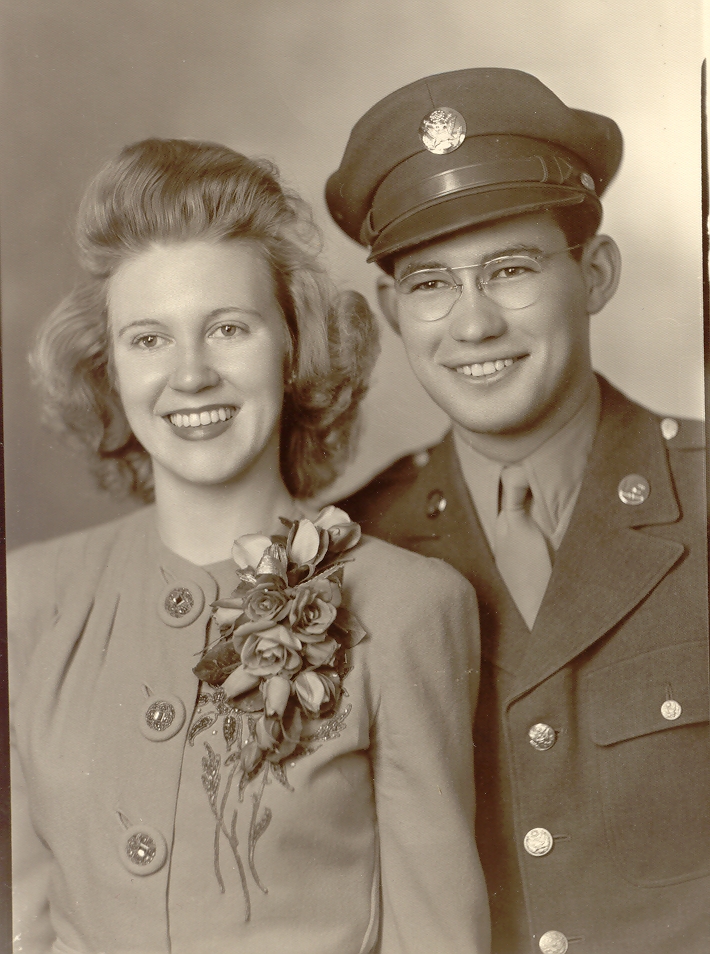
Of the 2,235 aboard from the 66th Infantry Division, bound for the Ardennes, more than five hundred went down with the ship, and almost 250 died from hypothermia, injuries, or drowning. The tragedy remained classified until 1996. On 20 November 2007, Massachusetts passed legislation to make 24 December an annual day of remembrance for the sinking, one of the worst and most tragic disasters for US forces in WWII.
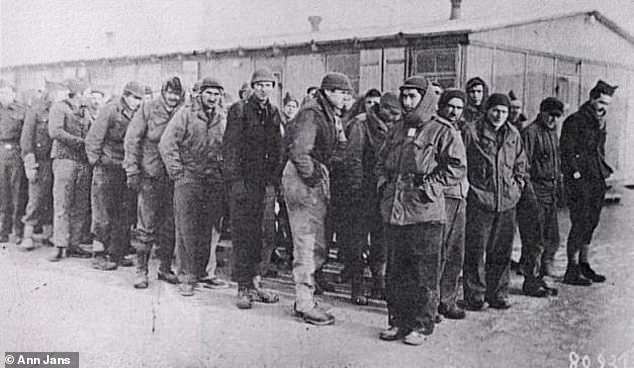
As men died by the score in the cold waters, hundreds of miles away, at Stalag Luft IV, tail gunner Lowell E. Slayton joined thousands of his fellow prisoners as they filed out of their barracks into the cold night. “We had asked permission of our German Kommandant,” the North Dakota native recalled, “to be allowed out of our barracks on that Christmas evening for a short period of time. The harsh setting of barbed wire and armed sentry posts was softened by huge star-like snowflakes that lazily drifted groundward. Suddenly, over the soft shuffle of feet, the sound of 7,500 male voices rose, at first softly, then swelling as all joined in, and the strains of “White Christmas” filled the air. It was awesome, beautiful, and a most unforgettable moment.”
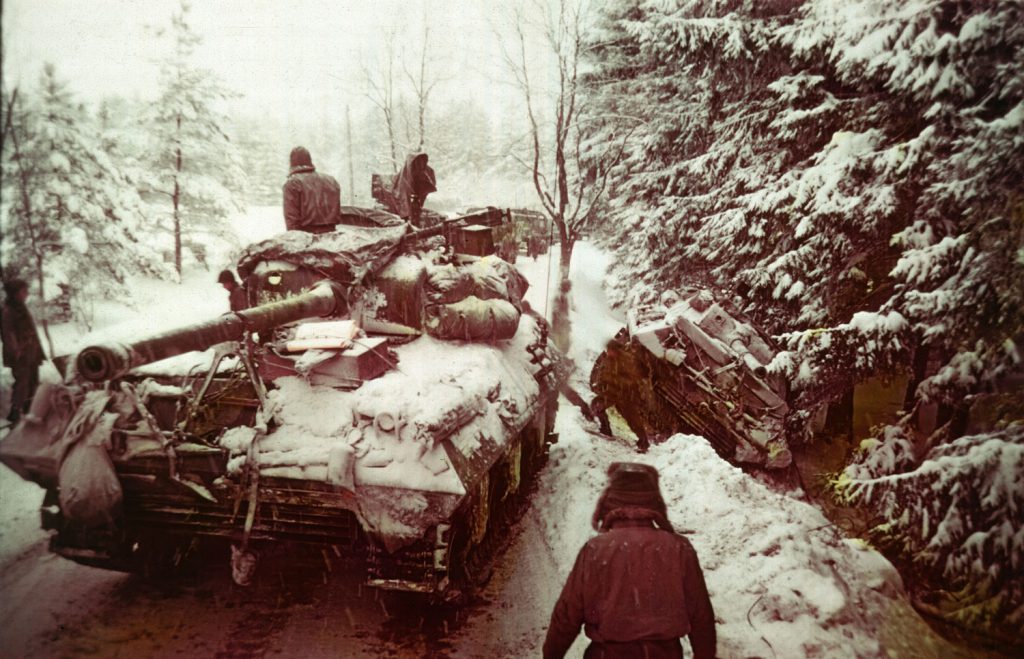
As Americans sang their hearts out, one of the most uplifting encounters of WWII was taking place. In the Ardennes, in a small cabin in a German village, 12-year-old Fritz Vincken watched as his mother answered the door. “Outside, like phantoms against the snow-clad trees,” he recalled, “stood two steel-helmeted men. One of them spoke to Mother in a language we did not understand, pointing to a third man lying in the snow. She realized before I did that these were American soldiers. Enemies!”
The three Americans were lost, having been separated from their battalion for three days. The one lying in the snow, called Harry, was wounded. Vincken’s mother ushered them into the cabin. Before long, a precious chicken was cooking, and Fritz was setting the table.
There was another knock at the door. Outside stood four more soldiers – wearing German uniforms. Fritz froze with terror. He knew that he and his mother could be shot for harboring enemy soldiers.
“Froehliche Weihnachten,” said Fritz’s mother, her face white with fear. Merry Christmas.
“We have lost our regiment and would like to wait for daylight,” explained a corporal. “Can we rest here?”
“Of course,” said Fritz’s mother. “You can also have a fine, warm meal and eat till the pot is empty. But we have three other guests, whom you may not consider friends. This is Christmas Eve, and there will be no shooting here.”
“Who’s inside?” the corporal asked. “Amerikaner?”
“Listen,” Fritz’s mother said. “You could be my sons, and so could they in there. A boy with a gunshot wound, fighting for his life, and his two friends, lost like you and just as hungry and exhausted as you are. This one night, this Christmas night, let us forget about killing.”
The Germans and Americans soon crowded the small cabin, warming themselves and inhaling the fumes from the roasting chicken.
Fritz looked at the soldiers, two of the Germans just sixteen, as they warmed themselves in an uneasy silence. Soon, they were all eating a hearty meal. “Just before midnight,” recalled Fritz, “mother went to the doorstep and asked us to join her to look up at the Star of Bethlehem. For all of us, during that moment of silence, looking at the brightest star in the heavens, the war was a distant, almost-forgotten thing.”
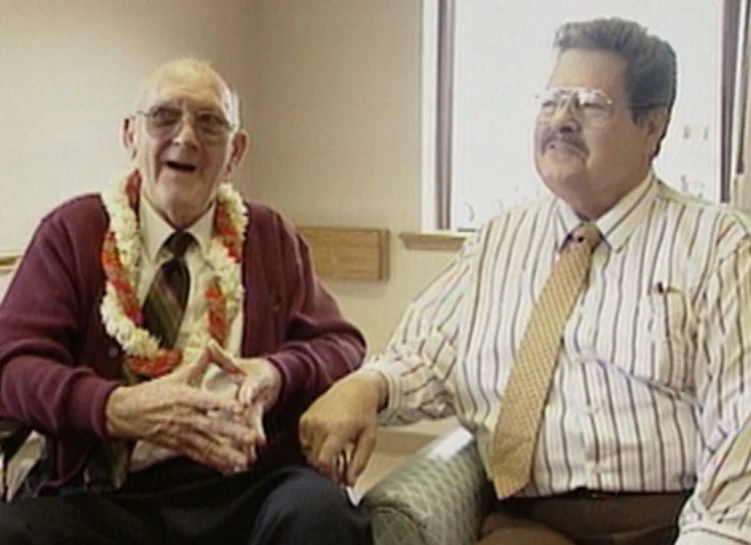
There were moments of unalloyed joy and genuine camaraderie that night as German and American soldiers huddled together for warmth and celebrated Christ’s birthday.
The next morning, on Christmas Day, the Germans showed the Americans how to return to their own lines. Then the soldiers all shook hands and headed off in opposite directions. In a snowbound corner of a world at war, humanity had prevailed.


