X


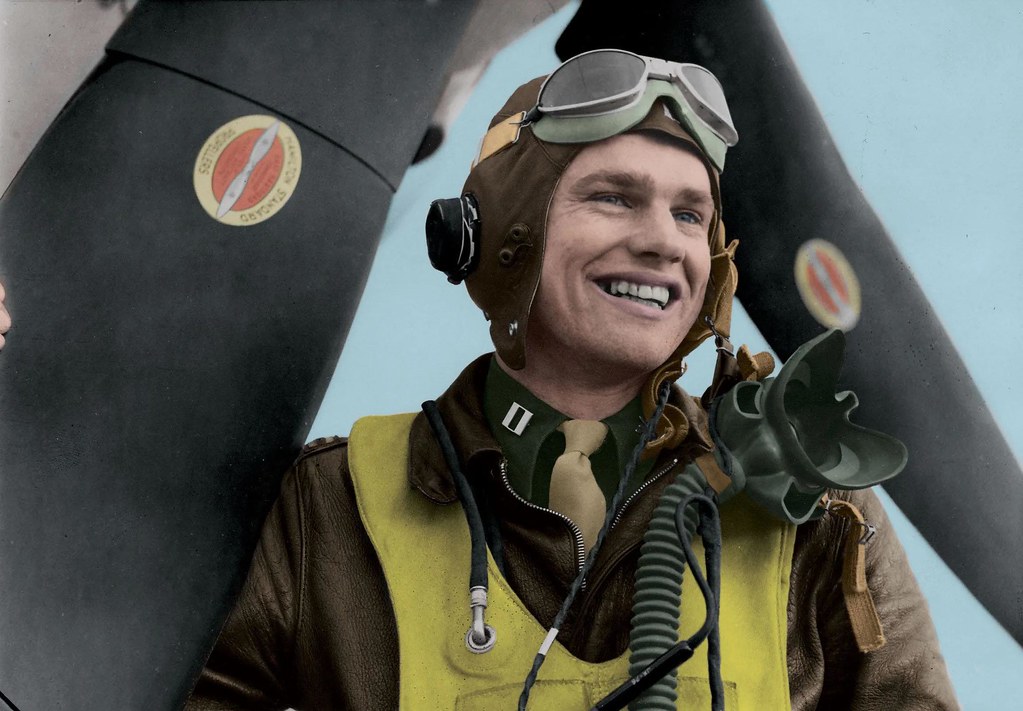
There are so few left with us. Every week, it seems, another extraordinary WWII veteran passes away. Recently, I learned from a news story that Clarence “Bud” Anderson had been buried at Arlington National Cemetery. I recognized the name. Then, suddenly, I realized I had spoken with the last WWII triple ace – the last fighter pilot to score more than fifteen kills – several years ago.
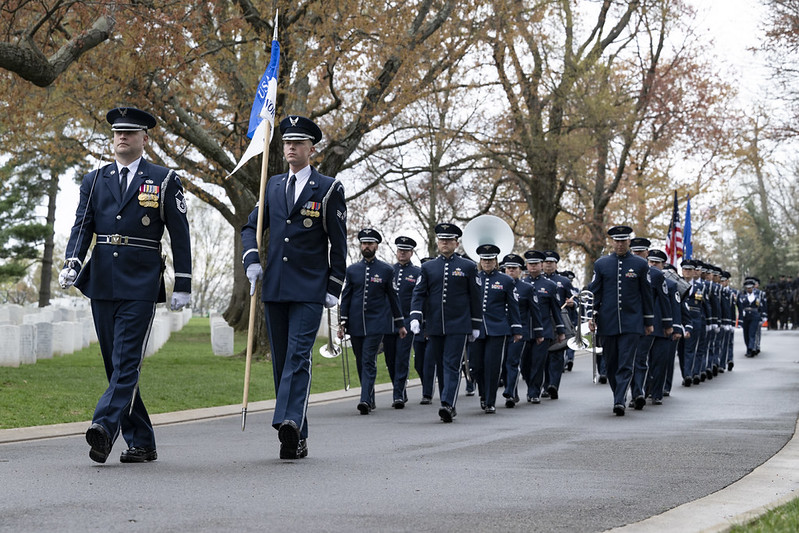
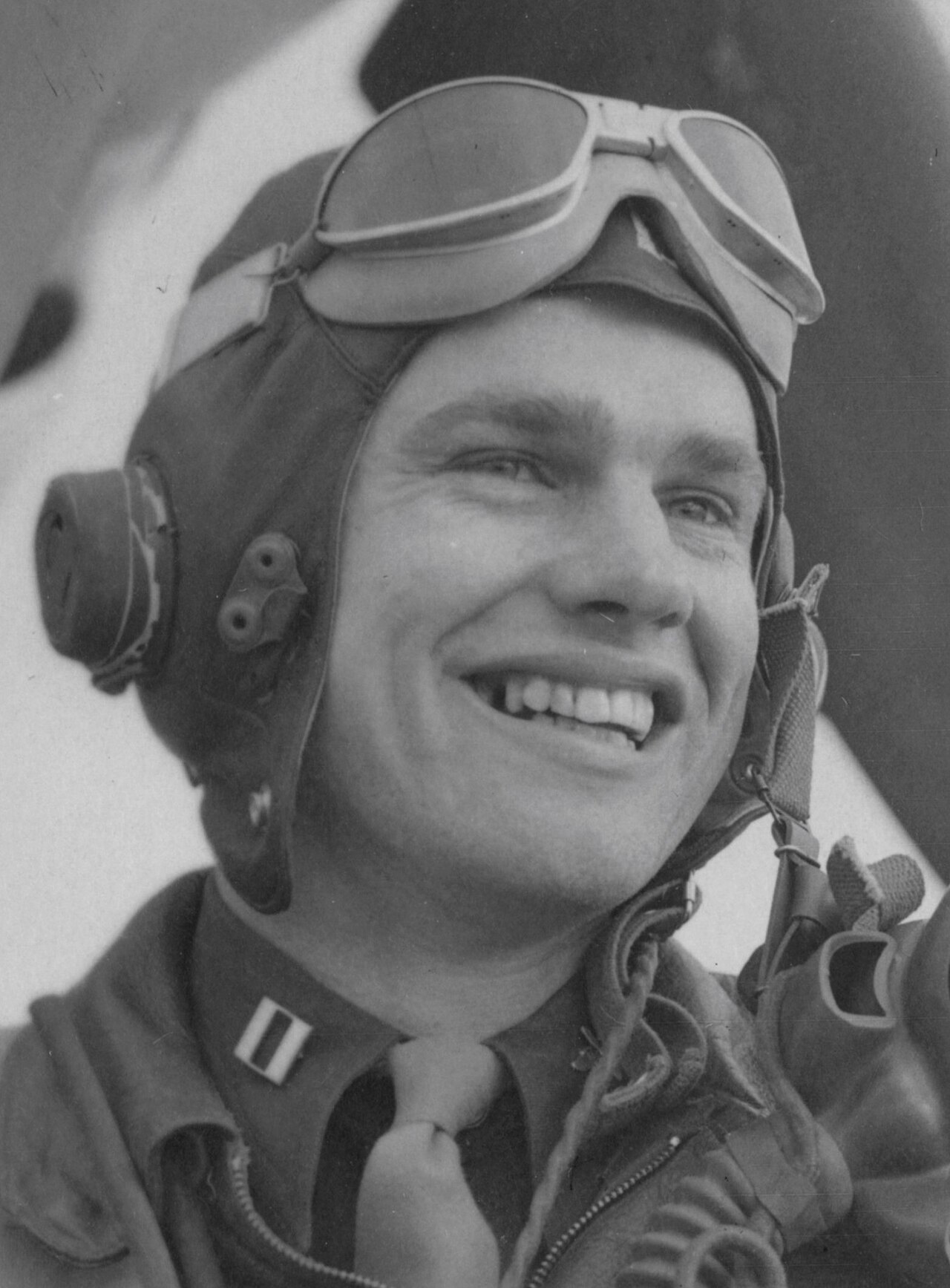
Brig. Gen. Anderson received full military funeral honors at Arlington on March 30. But he had breathed his last on May 17, 2024, at the age of 102, three years after he had kindly chatted with me about his legendary career. With matter-of-fact modesty, he told me how he had fought in the skies over Europe. One would have thought he was just another lucky flyboy with a good eye. In fact, he was an outlier, a supreme predator, arguably the finest P-51 pilot of the war.
Anderson survived an extraordinary 116 combat missions in his P-51 Mustang, which he’d nicknamed “Old Crow.” In the record books, he is credited with 16.25 “aerial victories.” What I found even more incredible was that, despite all his many dogfights, “Old Crow” didn’t receive a single scratch. He was literally untouchable, not only in the greatest conflict in human history but also as commander of a fighter squadron in Korea and of a fighter wing during the Vietnam War.
When Anderson wasn’t jousting in the skies, he was pushing the envelope as a test pilot, flying more than 130 different aircraft and eventually logging more than 7,500 flying hours, including more than 480 in combat – he was the ultimate top gun, in war and peace. That’s apart from receiving two Legions of Merit, five Distinguished Flying Crosses, a Bronze Star, and 16 Air Medals.
Anderson told me he was working as a mechanic at Sacramento Air Depot in California on December 7, 1941. “I was just a young kid. I had been on the graveyard shift most of the time, working 24/7. The foreman came around in the afternoon and said, “The Japanese just attacked us at Pearl Harbor.” I was going to sign up for the Army Air Corps aviation cadet program and had gone to college for two years, but I was not yet 20. The next month, January, I turned 20. I wanted to fly, but this was a bigger deal. I knew I was going to go to war.”
Anderson also told me he would never forget how unified the US was in the aftermath of Pearl Harbor. “Young people rushed to the recruiting stations. America was tremendously unprepared for WWII. We should never let our guard down. We should always have a strong military and be prepared and expect anything.”
Anderson arrived in England in November 1943, when aircrew had tragically short life spans. He joined the 257th Fighter Group and, within weeks, found himself in the cockpit of a P-51. On February 5, 1944, while escorting B-17s, he shot up his first “bandit,” a Bf 109. At just 22, he was promoted to major, perhaps as extraordinary an achievement as his eventual victory tally.
Lady Luck flew at his side. It helped that he was at the controls of a P-51, “the ideal airplane for the European theater of operations to defeat the Luftwaffe. What we needed to do was go anywhere the B-17s wanted to go to bomb. We had enough endurance to do that. No other fighters could do that. The P-51 was very fast at both high and low altitudes. It was the perfect airplane.”

Luck and a superb plane were not enough to survive. Anderson told me there were other reasons why he succeeded as a fighter pilot: “You had to be motivated, number one. You had to want to do it. You had to have good eyes because we didn’t have radar or anything to help us find the enemy. Your eyes were your best weapon. You had to know what to do in a flash. It had to be an instinct.”

Anderson made very close friends during his time in my homeland, England. The most famous was Chuck Yeager, who passed away on December 7, 2020, and who made history as having the “right stuff” when he became the first pilot to break the sound barrier in 1947. Other good buddies from his flight were Jim Browning and Eddie Simpson. “They were both killed in action. I liked them so much I named my son after them, James Edward Anderson.”
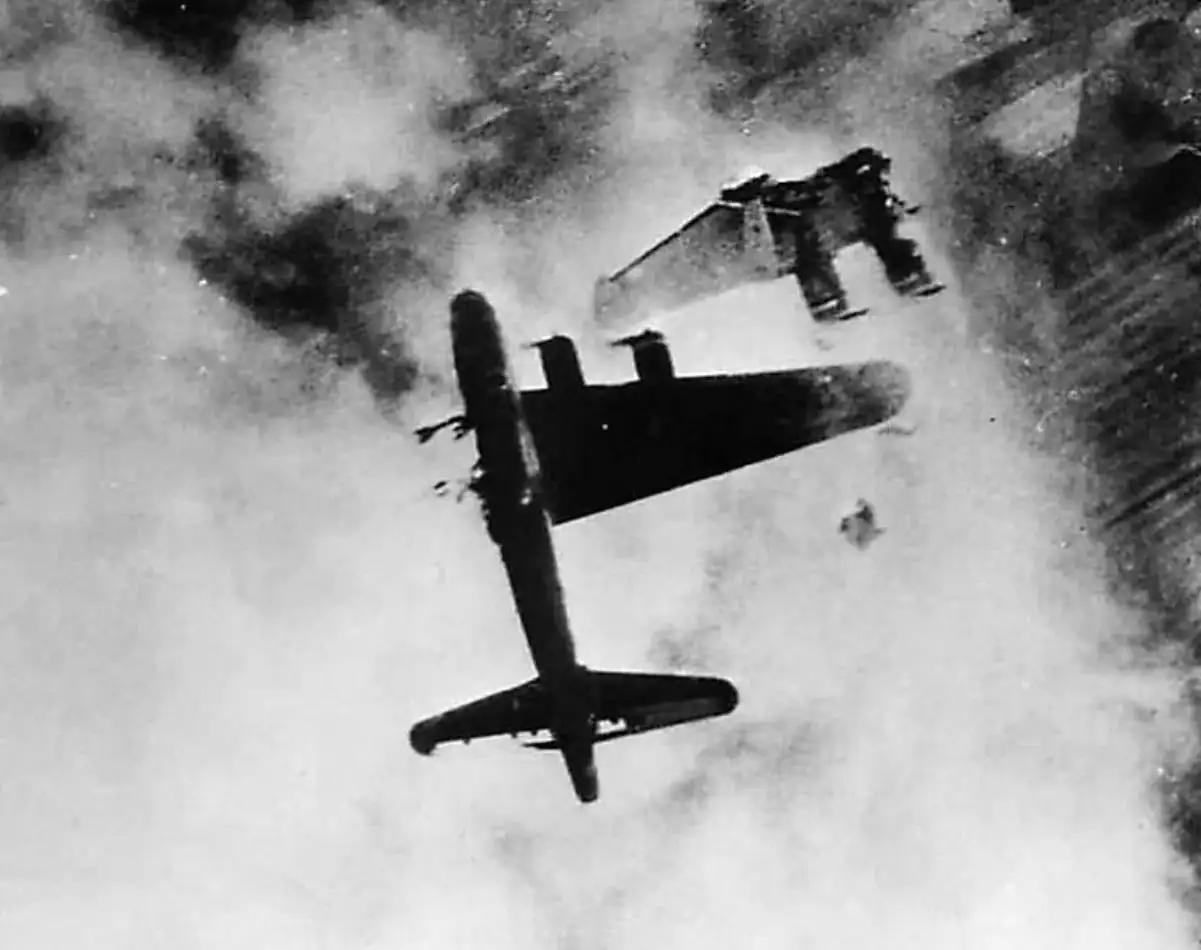
Some 26,000 airmen from the 8th Air Force were killed in WWII. Anderson said he was still haunted, more than seventy years later, by memories of watching young Americans make the ultimate sacrifice. He witnessed B-17s being shot down and would “count the parachutes as they fell from the sky.”

Anderson got hitched in 1945 and enjoyed a wonderful marriage until his wife, Eleanor, passed away at age 91 in 2015, the same year he received the Congressional Gold Medal. A few weeks ago, Anderson was buried alongside her in Section 38 of Arlington National Cemetery. The skies suddenly erupted with the roar of a Missing Man Formation of P-51 Mustangs, a sound that would have been very familiar to America’s last WWII triple ace, as they soared above his final resting place.