X


Severe rationing and patriotism combined to produce memorable fashions.
1] Utility Suits.
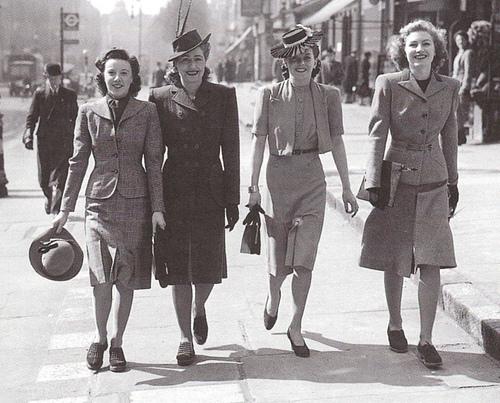
I’ve always loved 1940s fashion. The industry had to adapt to strict wartime rationing, but these limits sparked innovation, creating looks that women still adore today. Excess fabric and impractical glamour were seen as extravagant and unpatriotic when national survival was at stake. Shoulder pads and slim silhouettes of “utility suits” became popular and were surprisingly flattering. In Britain, they even included a “CC41” label to show they met the standards of the “Utility Clothing Scheme.”
2] The Shirtwaist Dress.
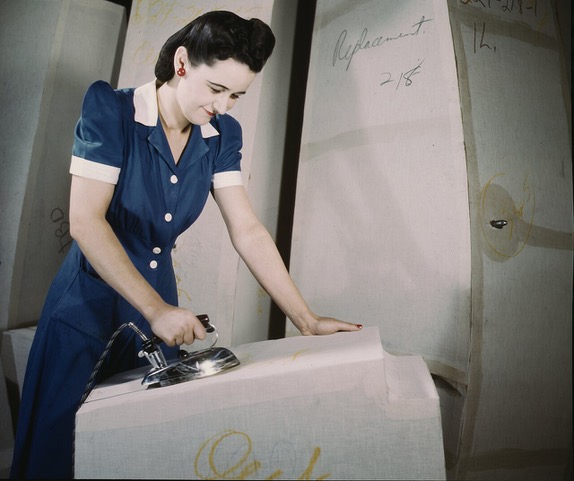
This knee-length, button-down dress, now a staple in many women’s wardrobes, became a wartime essential because of its simple A-line skirt and minimal fabric. The “Kitty Foyle” was the most recognizable style, often featuring a dark fabric with contrasting light cuffs and collar – typically navy blue and white. It was named after a dress worn by Ginger Rogers’ character, Kitty Foyle, in a 1940 film of the same name.
3] Women’s Trousers and Overalls.
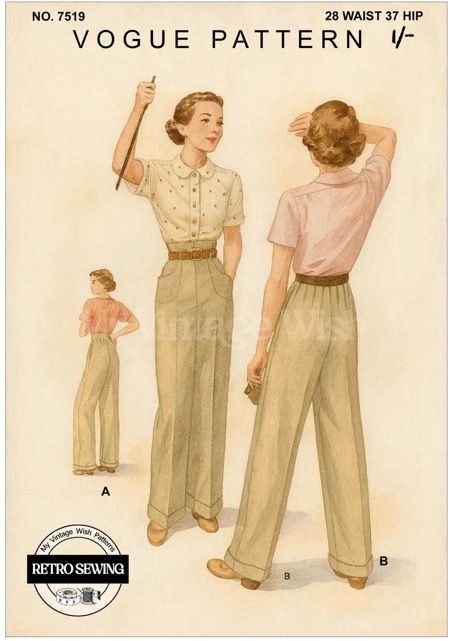
As millions of women entered the workforce in farms and factories, pants and high-waisted slacks became socially accepted and fashionable alternatives to skirts. The trend lasted throughout the war but declined in the 1950s when most women returned to skirts and dresses. There was a major revival with the rise of the women’s rights movement, and today they are just as common as they were in the 1940s.
4] Turbans and Snoods.
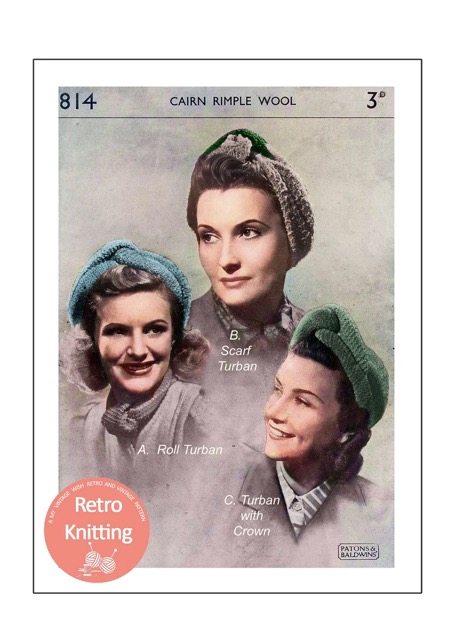
Rationing limited the availability of hats. Women also faced restricted access to hairdressers. These headpieces were both practical and fashionable, keeping women’s hair away from factory lathes and covering unstyled hair. They became a “badge of resistance” in occupied France. In the US, women such as “Rosie the Riveter” wore them more out of necessity but often with pride. Women were encouraged to make their own, using magazine patterns for crocheting and fabrics like velvet or jersey.
5] Wedge Shoes with Cork Soles.
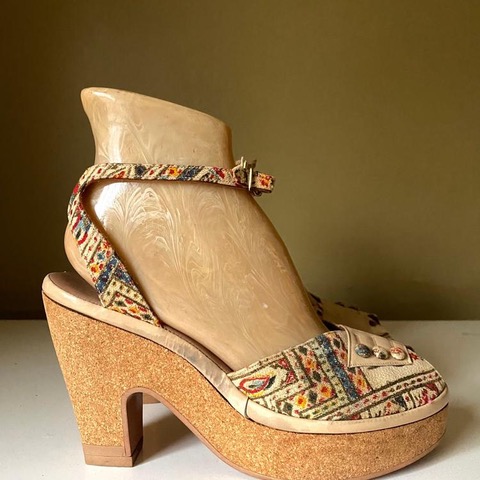
Imagine: women were not allowed to buy more than 3 pairs of leather shoes in the USA during the war. In Britain, women could use up to 40 clothing coupons per year, with shoes costing around 5 coupons each. However, leather soles with fabric or alternative materials were not restricted. Because leather and rubber were used by the military, civilians turned to unrationed materials like cork, wood, and raffia for footwear. The Italian designer Salvatore Ferragamo had already adapted in the late 1930s after sanctions were imposed on Italy following Mussolini’s invasion of Ethiopia. He designed stunning shoes with cork soles, similar to Spanish chopines from centuries earlier, and these were widely copied by other shoemakers.
6] The Zoot Suit.
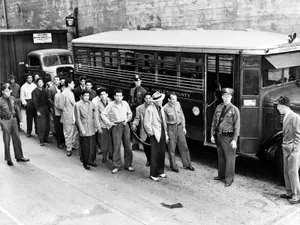
This oversized suit with billowing fabric, long jackets, and wide-brimmed hats became a flashpoint in 1943. The use of excess material, unlike women’s utility suits, was viewed as unpatriotic and angered some American servicemen and white Angelenos, who in June 1943 attacked and stripped children, teenagers, and youths wearing zoot suits. More than 150 people were injured. LA police arrested over 500 Mexican Americans. On June 16, 1943, a week after the riots, Eleanor Roosevelt wrote in her widely-read newspaper column: “The question goes deeper than just suits. It is a racial protest. I have been worried for a long time about the Mexican racial situation. It is a problem with roots going a long way back, and we do not always face these problems as we should.”
7] Military-Inspired Outerwear.
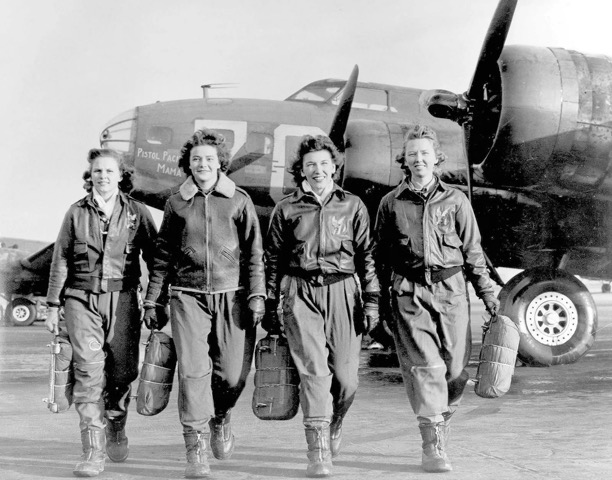
Garments like Trench Coats, Bomber Jackets, and Pea Coats became staples for civilians as people repurposed military surplus and embraced their practical warmth. The women in the above photograph flew the “Pistol Packin’ Mama”, a B-17 used as a training aircraft for WASPs (Women Airforce Service Pilots). More than a thousand female pilots became WASPS, and by war’s end, they had flown every type of American military aircraft.
8] Red Lipstick.
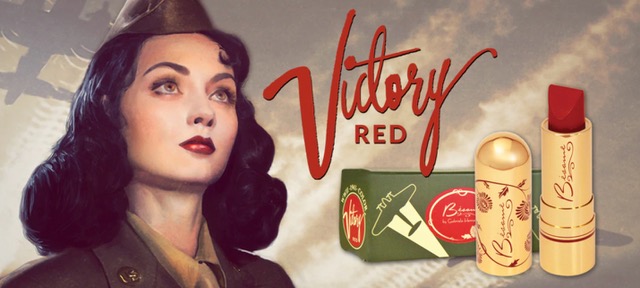
Make-up also evolved during the war. Cosmetic companies promoted red lipstick as a morale booster and a patriotic symbol. Bright red lipstick was called “war paint,” representing newfound female power and strength. Elizabeth Arden’s “Montezuma Red,” made for the U.S. Marine Corps Women's Reserve, matched the red piping and chevrons on women’s uniforms. Freed from the kitchen and dedicated to the war effort, women pursed their lips and showed off the “Victory Red” pout.
9] Parachute Silk Fashion.
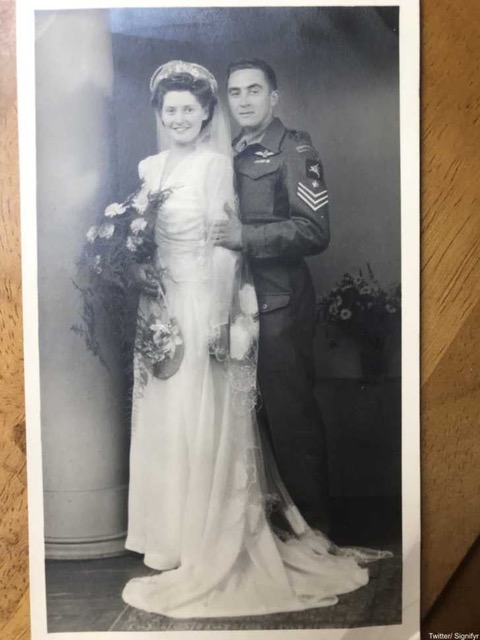
Making traditional wedding dresses during WWII was very challenging due to strict restrictions on silk and other fabrics. Creative brides turned damaged or captured silk parachutes into beautiful gowns. It took many painstaking hours - the parachutes were often stained and required extensive sewing.
10] The New Look.
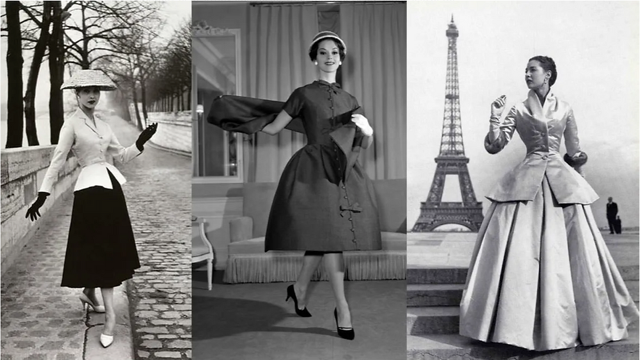
While researching a book about photographer Robert Capa, I interviewed the legendary model Simone Micheline Bodin, known by her catwalk name “Bettina,” who died in 2015 at the age of 89. She had fond memories of Capa, whom she met when he covered Christian Dior’s 1947 fashion show, “The New Look,” which transformed post-war fashion and scandalized France. Conservatives and curmudgeons criticized the extravagant use of fabric after wartime rationing. Fashion lovers admired Dior’s bold embrace of high glamour following the dull, utilitarian styles of the early 1940s. The skirts were full, and the waists were cinched, making Bettina look utterly irresistible - and certainly to Capa.


