X


TOP TEN WWII TUNES
These enduring classics were sung and played around the world during WWII.
1] “Boogie Woogie Bugle Boy” – The Andrews Sisters (1941).
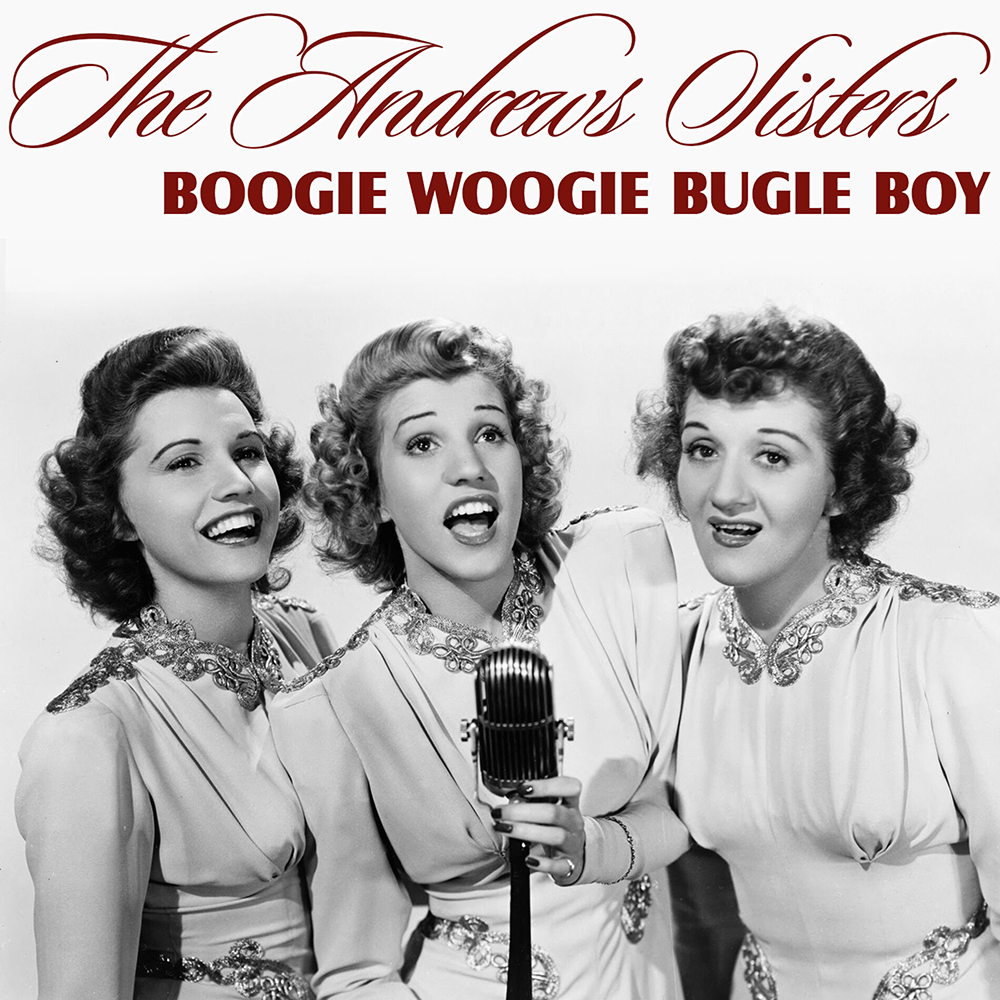
What a hell of a tune - a so-called “jump blues song” penned by Don Raye and Hughie Prince. The world first heard it, performed by The Andrews Sisters, in the Abbott and Costello comedy film Buck Privates (1941). Six months before Pearl Harbor, the sisters’ recording soared up the U.S. pop singles chart. Its wartime popularity has endured – it’s often been ranked among the top ten songs of the 20th Century. Bette Midler’s fabulous 1972 recording reached the top ten on the U.S. Billboard Hot 100.
2] “We’ll Meet Again” – Vera Lynn (1939)
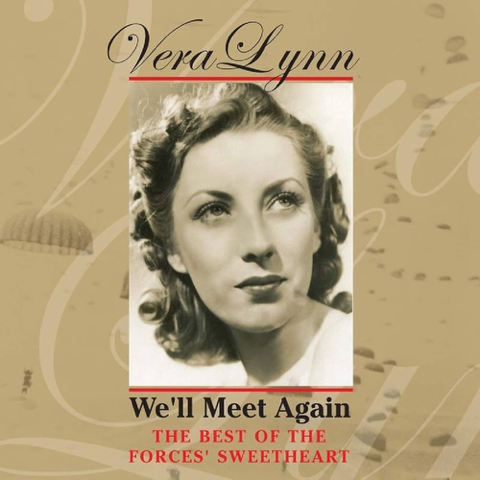
My personal favorite. “We'll Meet Again” is a 1939 song by the legendary English singer Dame Vera Lynn. I grew up listening to this song. My grandparents worshipped Lynn. There’s a very good reason it’s one of the most famous songs from WWII. It spoke to young men leaving for what might be their deaths. It was almost impossibly painful for so many widows to hear after the war. I can’t listen to it without filling with pride at being English. Following the 75th anniversary celebrations of VE Day in 2020, Lynn’s solo version showed how great a song this is – reaching 55 in the UK chart. Lynn passed away in 2020, aged 103. I still miss her.
3] “White Cliffs of Dover” – Vera Lynn 1942).

Another beautiful classic from Dame Vera. It’s a theme tune for any movie about the long, blue-skied summer of 1940, when England was under attack from the Luftwaffe. Although written a year after the Battle of Britain, its title refers to cliffs that could be glimpsed in many dogfights, as they were along England’s south coast, where the fighting in the air was heaviest.
When the chips were down, “The Few,” the boys of the RAF, came through. They could sing with pride in the mess as they downed pints:
“I'll never forget the people I met braving those angry skies.
I remember well as the shadows fell, the light of hope in their eyes.
And tho’ I’m far away, I can still hear them say “Thumbs Up!”
for when the dawn comes up.... There'll be blue birds over...”
4] “Lili Marlene” – Lale Andersen (1939)
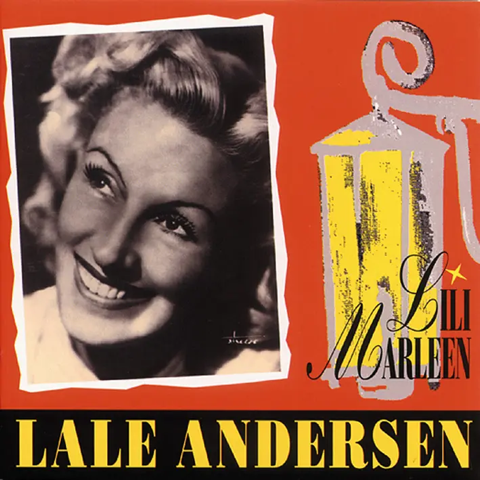
Yanks, Krauts, Tommies, Kiwis, and Cannucks – they all loved this German love song. It originated in 1915 as a poem. It was then set to music and first recorded by Lale Andersen in 1939. “Das Mädchen unter der Laterne” – “The Girl under the Lantern” – was a massive hit in Germany and even bigger around the world when performed by Marlene Dietrich.
5] “In the Mood” – Glenn Miller (1939)
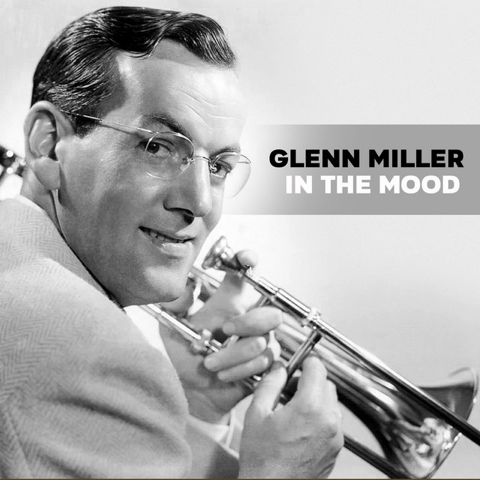
I defy you not to start tapping your foot to this gorgeous swoon of a song by the genius that was Glenn Miller. I used to go jive dancing in London in the early 1990s, and this was a fantastic song to dance badly to while I learned some of the moves that GIs pulled on English roses on the crowded dancefloors of London in 1944-45. A few facts before we move on to the next dance… The first recording under the name “In the Mood” was released by Edgar Hayes and his Orchestra in 1938. In 1983, Miller’s recording was inducted into the Grammy Hall of Fame. In 1999, NPR included it among the “100 most important American musical works of the 20th century”.
6] “I’ll Be Seeing You” – Frank Sinatra (1944).
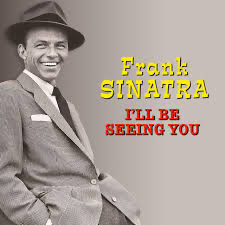
Who doesn’t love Frank Sinatra… seriously? This lush dream of a croon was published in 1938, with music by Sammy Fain and lyrics by Irving Kahal. A 1944 movie was based on the song, and it became wildly successful thanks to Bing Crosby – his version hit the top spot in July 1944. Sinatra’s take, also recorded in 1944, is just as good.
7] “Don't Sit Under the Apple Tree” – The Andrews Sisters (1942).
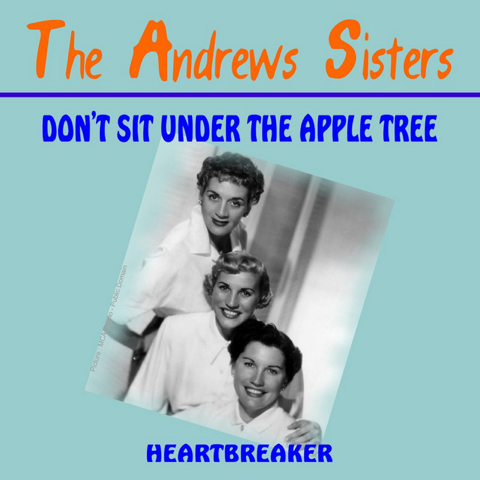
What’s with these sisters? This song was popularized by both Glenn Miller and the Andrews Sisters, the ultimate “girl band” of the 40s. Miller’s recording reached No. 2 on the Billboard pop singles chart in 1942. If you’re ever feeling nostalgic for a time when people danced in each other’s arms and charm and elegance were at the heart of romance, this one’s for you.
8] “We're Going to Hang Out the Washing on the Siegfried Line” – Flanagan & Allen (1939).

This was sung wherever British and Commonwealth troops fought. Irish songwriter Jimmy Kennedy penned it when he was a captain in the British Expeditionary Force in France in the early days of the war. The Siegfried Line was a supposedly impregnable line of fortifications. My grandfather knew the words by heart when he served in the RAF:
“We’re going to hang out the washing on the Siegfried Line.
Have you any dirty washing, mother dear?
We’re gonna hang out the washing on the Siegfried Line.
‘Cause the washing day is here.”
9] “I'll Be Home for Christmas” – Bing Crosby (1943).
That was the sentiment of many GIs after the Normandy invasion and the liberation of Paris in the summer of 1944. Home to loved ones by Xmas ’44. That didn’t happen. Many troops finally came home in late 1945 and would always be able to hum this wonderful song, which ends: “I'll be home for Christmas, if only in my dreams.”
10] “When the Lights Go On Again” – Vaughn Monroe (1942).
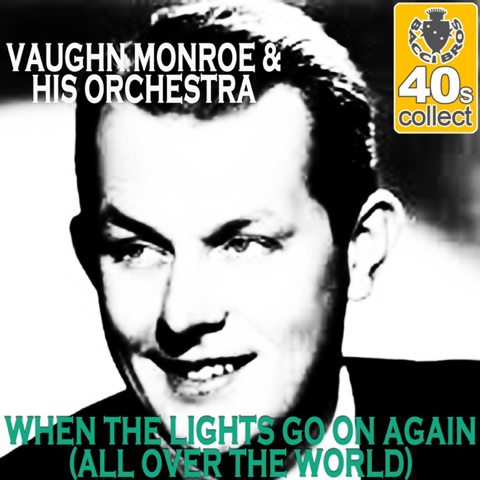
Imagine a world at war. Imagine 19 million civilians in Europe dead by the time the lights came back on in May 1945. Written by Bennie Benjamin, Sol Marcus, and Eddie Seiler, the song topped the charts in 1943. Thankfully, it remains a powerful testament to the yearning almost every combatant felt as they waited for the dying to end:
“When the lights go on again all over the world
And the boys are home again all over the world
And rain or snow is all that may fall from the skies above
A kiss won't mean “Goodbye” but “Hello to love”.”


